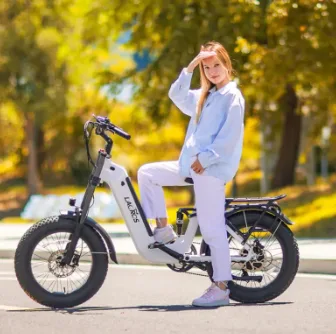
Folding e bikes have become a popular option for people who want the convenience of electric transportation without the size and storage challenges of a traditional bicycle. Combining a compact folding frame with an electric motor and rechargeable battery, these bikes offer an efficient way to commute, explore cities, and enjoy recreational rides.
One of the biggest advantages of a folding e-bike is portability. When folded, the bicycle takes up considerably less space than a conventional bike. This makes it easier to store in an apartment, office, garage, or vehicle. For people with limited storage space, the folding design can make owning an electric bicycle much more practical.
Transportation is another major benefit. Depending on the bike's size and weight, a folding e-bike can often be placed in a car, making it possible to drive to a trail or destination and continue the journey by bicycle. Some commuters also combine folding e-bikes with public transportation. A rider can cycle to a train or bus station, fold the bike, and continue the trip using another form of transportation.
Electric assistance makes these bikes even more convenient for everyday travel. Pedal-assist technology provides additional power while the rider pedals, helping with hills, headwinds, and longer distances. Instead of arriving at work exhausted or sweaty, commuters can use a suitable assistance level to make the journey more comfortable.
When choosing a folding e-bike, the folding mechanism deserves careful consideration. A good system should be secure when riding and reasonably simple to operate when it is time to fold the bike. Riders should also consider the folded dimensions to make sure the bike will fit in their intended storage area or vehicle.
Weight is another important factor. Electric components, including the motor and battery, can make an e-bike significantly heavier than a conventional folding bicycle. If you expect to carry the bike frequently, a lighter model may be worth considering. If portability is less important, a heavier bike may provide additional features or a larger battery.
Wheel size also affects the riding experience. Smaller wheels can help create a compact folded package and may make the bike easier to maneuver at low speeds. Larger wheels can provide a more familiar bicycle feel and may roll more smoothly over uneven surfaces. The right choice depends on how and where you plan to ride.
Battery capacity should match your typical distance. A larger battery can provide greater potential range, but it may also add weight. Real-world range varies according to rider weight, terrain, speed, weather, tire pressure, and assistance level, so advertised range should be considered an estimate rather than a guarantee.
Safety features are equally important. Reliable brakes, bright lights, reflectors, and a secure folding mechanism can make a significant difference in everyday use. Riders should also make sure the frame and components are properly adjusted before each trip.
Ultimately, folding e-bikes offer a practical balance between portability and performance. They are especially attractive to commuters, travelers, apartment residents, and recreational riders who value flexibility. With the right combination of motor power, battery capacity, wheel size, weight, and folding design, a folding e-bike can become a convenient transportation solution for both everyday trips and weekend adventures.