Elbow pain is a common condition affecting individuals across various age groups and lifestyles, whether you are an office worker dealing with repetitive strain, a fitness enthusiast lifting heavy weights, or an athlete involved in racket sports. When elbow pain disrupts daily function, limits mobility, or impacts work productivity, elbow pain physiotherapy in Singapore offers a structured and evidence-based approach to restoring strength, reducing pain, and preventing future injury.
This comprehensive guide explains the causes of elbow pain, how physiotherapy helps, what treatments are commonly used in Singapore, and why seeking professional care early leads to better outcomes.
Understanding Elbow Pain and Its Causes
Elbow pain can originate from muscles, tendons, ligaments, joints, or nerves. Some of the most common conditions treated through elbow pain physiotherapy include:
1. Tennis Elbow (Lateral Epicondylitis)
A repetitive-strain injury caused by overuse of the forearm extensor tendons. Despite its name, it affects not only tennis players but also individuals who frequently type, lift, or grip.
2. Golfer’s Elbow (Medial Epicondylitis)
Similar to tennis elbow but located on the inner elbow. It develops due to repetitive wrist flexion, forearm rotation, or gripping activities.
3. Elbow Bursitis
Swelling of the bursa over the elbow joint, often due to prolonged pressure, trauma, or infection.
4. Ligament Sprains or Overuse Injuries
Common among individuals involved in weight training or manual labour.
5. Nerve Entrapment (e.g., Cubital Tunnel Syndrome)
Occurs when the ulnar nerve becomes compressed at the elbow, causing pain, tingling, or numbness.
Understanding the cause is the first step in designing a targeted physiotherapy program.
How Elbow Pain Physiotherapy Helps Recovery
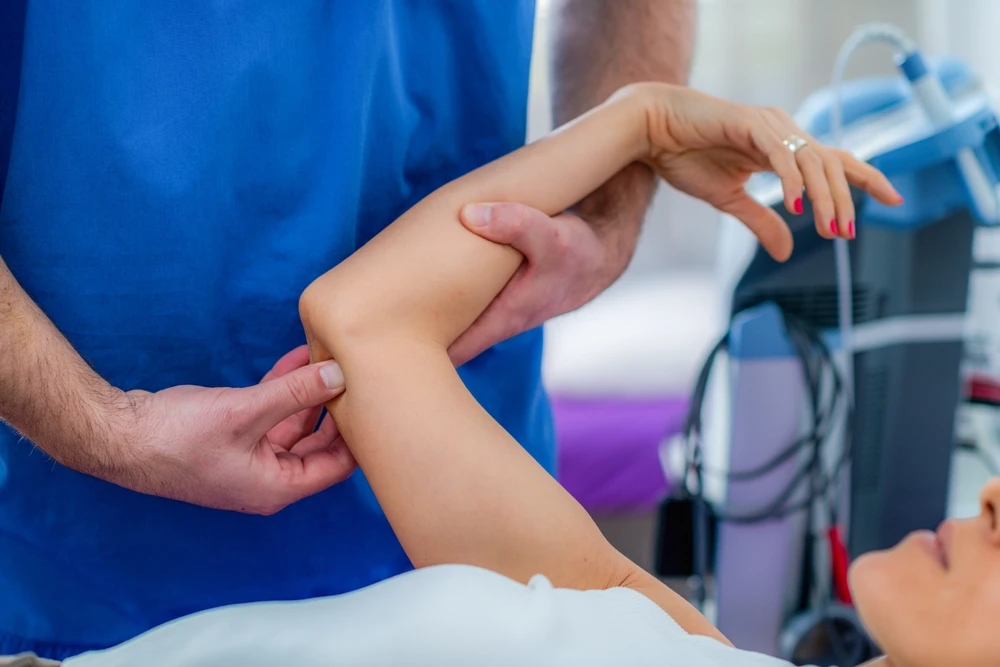
Physiotherapy plays a critical role in the healing process by combining hands-on techniques, targeted exercises, and education for long-term prevention. Here’s how physiotherapists in Singapore typically manage elbow pain:
1. Detailed Assessment and Diagnosis
Physiotherapists begin with a thorough evaluation of pain location, movement limitations, daily habits, and possible trigger activities. This ensures the treatment plan is accurate and personalised.
2. Pain Relief and Early Intervention
To reduce inflammation and discomfort, therapists may use:
- Manual therapy
- Soft tissue massage
- Ultrasound therapy
- Cold or heat applications
- Shockwave therapy
These treatments help accelerate healing and prepare the elbow for strengthening exercises.
3. Restoring Strength and Flexibility
Physiotherapy focuses heavily on strengthening the forearm muscles, improving tendon resilience, and enhancing elbow joint stability. Exercises may include:
- Eccentric loading for tendons
- Forearm mobility drills
- Grip-strengthening techniques
- Posture correction exercises
These evidence-based methods support tendon repair and prevent repeated strain.
4. Correcting Movement Patterns
Lifestyle and ergonomic adjustments are essential for long-term success. Physiotherapists often guide patients on:
- Proper lifting mechanics
- Workplace desk setup
- Reducing repetitive strain
- Sports-specific technique correction
These preventive strategies significantly reduce recurrence.
5. Return-to-Sport or Activity Program
For athletes or active individuals, physiotherapists design progressive rehabilitation plans to restore performance and ensure a safe return to training without aggravating the injury.
Why Early Physiotherapy Matters
Delaying treatment often leads to chronic inflammation, tendon degeneration, and longer recovery time. Early intervention in elbow pain physiotherapy Singapore provides several benefits:
- Faster healing
- Reduced risk of chronic injury
- Lower likelihood of requiring invasive procedures
- Improved mobility and function
- Enhanced performance for athletes
Seeking timely physiotherapy ensures the condition is managed before it worsens.
Conclusion
Elbow pain can significantly impact daily tasks, work performance, and sports activities. Fortunately, elbow pain physiotherapy in Singapore offers a holistic and scientific approach to diagnosing the root cause, reducing pain, restoring strength, and preventing recurrence. With customised treatment plans, manual therapy, strength conditioning, and ergonomic education, physiotherapy provides long-term relief and enables individuals to regain their active lifestyle with confidence.