
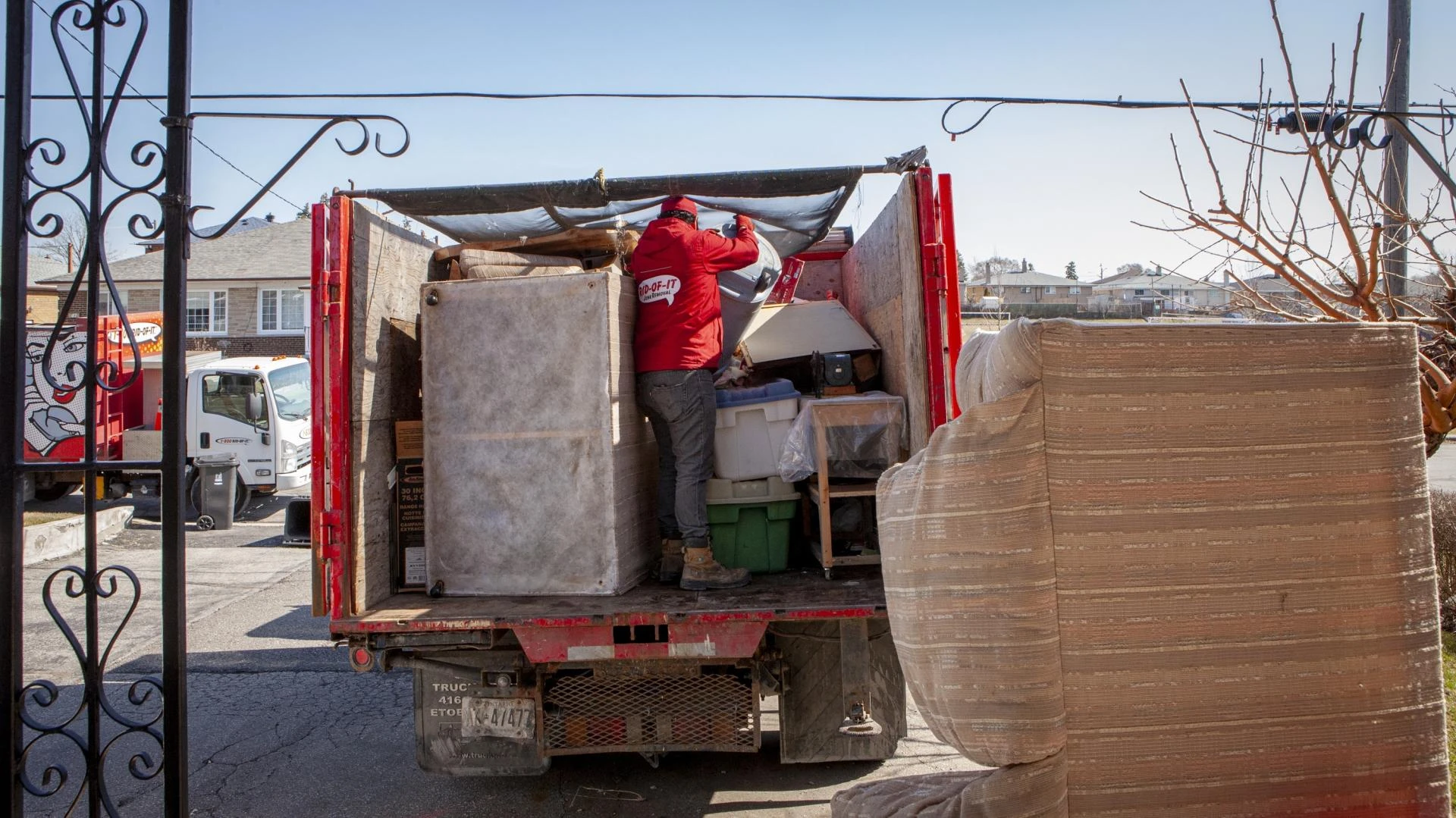
Construction projects demand precision, coordination, and uninterrupted momentum. One factor that often slows progress is the accumulation of leftover materials. From packaging scraps to broken drywall, debris piles cause disruption and reduce workspace efficiency.
Whether overseeing a small renovation or managing a commercial build, timely construction waste disposal is crucial for keeping your job site safe and streamlined. At 1-800 RID-OF-IT, we help crews across Toronto stay on schedule with fast, reliable waste removal services tailored for active sites.
Common Types of Waste Cleared from Job Sites
Every construction job generates a unique mix of debris. However, certain materials appear on almost every site, and understanding what can be cleared efficiently helps manage waste expectations.
Here are some of the most commonly removed types of construction junk:
- Drywall scraps: Often generated during installation, repair, or demolition.
- Wood offcuts and framing waste: Leftovers from carpentry or remodeling.
- Tiles and flooring fragments: Typically removed during surface upgrades.
- Plastic, cardboard, and foam packaging accumulate quickly and occupy space.
- Old cabinets, shelving, or doors: Especially during renovation or retrofitting projects.
- Limited dirt, sand, and gravel: if bagged or piled for easy access.
- Nails, wires, insulation remnants, and small hardware: Scattered light debris that builds up quickly.
While heavy debris like concrete slabs or structural steel cannot be handled manually, a skilled team can efficiently remove most general site waste.
Managing Volume: What Can Be Removed Efficiently
Not all construction waste is created equal. Some items require more effort or specialized equipment to move and dispose of. Understanding your volume limitations helps avoid scheduling issues or unnecessary delays.
Most construction waste disposal Toronto services handle:
- Loose and bagged light debris
- Stacked wood, drywall, or tile offcuts
- Standard-sized construction packaging materials
- Smaller demo pieces like trim or siding
However, it’s important to note:
- Large slabs of concrete or oversized structural pieces are not manually removed.
- Heavy dirt, sand, and gravel are only taken in limited quantities, often dependent on accessibility and volume.
- Partial playhouse structures or yard fixtures may be considered on a case-by-case basis and need prior assessment.
Efficient job site cleanup means matching your waste volume to the capabilities of your removal team. That’s where working with experienced professionals pays off.
Selecting a Trusted Partner for Construction Cleanup
Not every removal company is suited for job site demands. Construction environments require punctual, knowledgeable crews who understand the urgency and workflow involved. When evaluating providers for construction debris removal, look for these key traits:
- Quick response and scheduling flexibility: Sites can’t afford delays, so choose a company that offers same-day or next-day service when needed.
- Experience with construction waste: Crews should be familiar with job site protocols and how to remove materials around active work areas safely.
- Volume-based pricing: Clear, fair quotes based on the amount of debris hauled away—no surprise fees.
- Local regulatory knowledge: Disposal must follow city guidelines, and experienced teams know exactly where and how to dispose of different materials properly.
- Proper equipment and team training: Tools, trucks, and crew members should be ready for the job's physical demands.
At 1-800 RID-OF-IT, we specialize in construction junk removal across Toronto and support contractors with organized, on-time service that works around your team’s pace.
Scheduling Waste Removal for Smooth Operations
Keeping your site clean isn't just about post-project cleanup. Ongoing removal throughout different project stages helps keep things safe, compliant, and functional. Whether remodeling one room or managing a multi-phase build, waste removal should be integrated into your project timeline.
Here’s how to approach scheduling:
- Pre-demolition phase: Plan your first pickup early to remove old materials and prep the site.
- Mid-construction phase: Book pickups as drywall, wood, and packaging debris build up.
- End-of-project: The final haul removes leftover scraps, tiles, and installation waste.
Tips for better waste management:
- Bag or stack materials neatly to help speed up loading.
- Avoid letting piles grow too large, blocking access, or creating tripping situations.
- Mark your disposal area clearly so crews can get in and out immediately.
By coordinating pickups around your build phases, you can keep your project moving and avoid costly disruptions.
Effective Waste Management Ensures Safer, More Organized Job Sites
Construction waste is a natural part of any project, but doesn't need to be a problem. With the right disposal plan and a trusted team, you can stay ahead of debris buildup and focus on finishing the job.
If you’re looking for fast, flexible, and experienced construction waste disposal in Toronto, 1-800 RID-OF-IT is ready to help. Our trained team handles standard debris, light materials, and bagged waste with precision and professionalism. We’ll work with your schedule, clear your site, and ensure your job moves forward clean, safe, and on time.