Indoor air quality plays a much bigger role in daily comfort than most homeowners realize.
Air Replacement is the process of exchanging stale indoor air with fresh, properly conditioned airflow to create a healthier and more comfortable living environment.
When air inside your home becomes trapped, pollutants, humidity, and odors tend to build up. This can lead to discomfort, uneven temperatures, and even higher energy bills. Homes that rely on outdated ventilation or poorly designed HVAC systems often struggle to maintain balanced airflow, especially during peak summer and winter months.
Why Clean Airflow Matters More Than Ever?
Modern homes are built to be energy efficient, which means they’re also more airtight than older construction. While that’s great for reducing drafts, it can allow indoor contaminants like dust, pet dander, and volatile organic compounds to linger longer than they should.
According to the Environmental Protection Agency, indoor air can be two to five times more polluted than outdoor air in many homes. Without proper circulation, these pollutants continue to recirculate, affecting comfort levels and respiratory health. Efficient ventilation helps prevent that buildup while maintaining consistent temperatures throughout the house.
Signs Your Home May Need Better Airflow
Many homeowners assume poor indoor air is simply part of seasonal changes, but certain signs point to airflow issues that shouldn’t be ignored:
- Persistent musty or stale odors
- Rooms that feel stuffy or uncomfortable
- Increased allergy symptoms indoors
- Hot and cold spots throughout the home
If these problems sound familiar, your ventilation system may not be exchanging air effectively. Addressing airflow early can prevent unnecessary strain on heating and cooling equipment while improving daily comfort.
How Modern Systems Improve Indoor Comfort?
Today’s ventilation solutions are far more advanced than older exhaust fans or open windows. Balanced ventilation systems are designed to bring in fresh air while removing stale air at the same time, helping maintain indoor pressure and temperature stability.
This approach doesn’t just improve air quality it also supports overall system efficiency. Homes with properly managed airflow experience fewer temperature swings and reduced humidity levels, which can make living spaces feel more comfortable year-round without excessive energy use.
Supporting Heating Performance Year-Round
Airflow impacts more than just cooling. During colder months, proper circulation ensures heated air reaches every room evenly. This is where Heater Maintenance becomes an important factor. When heating systems are clean, tuned, and supported by proper ventilation, they distribute warmth more efficiently and consistently.
For example, a homeowner may notice one room feeling colder than the rest despite the heater running constantly. Often, the issue isn’t the heater itself, but restricted or imbalanced airflow preventing warm air from circulating properly. Addressing airflow alongside seasonal heating service can help maintain comfort and reduce unnecessary energy costs.
The Relationship Between Cooling and Airflow
Cooling systems also rely heavily on airflow to function correctly. Without proper air exchange, cooled air can feel heavy, humid, or unevenly distributed. This often leads homeowners to lower the thermostat, increasing energy use without truly improving comfort.
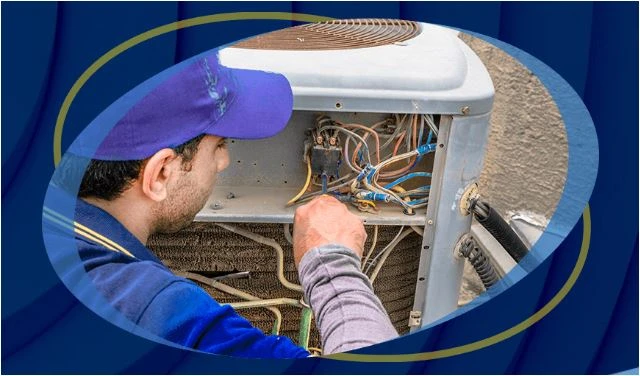
That’s why professional AC Repair often reveals airflow-related issues during service calls. A struggling air conditioner may be working harder than necessary because stale air isn’t being replaced efficiently. Improving ventilation helps cooling systems operate at peak performance while keeping indoor temperatures more consistent throughout the home.
Real-World Example: A Healthier Home Environment
Consider a family living in a two-story home where the upstairs always feels warmer and stuffier than the main floor. Despite upgrading their HVAC equipment, the issue persisted. After evaluating airflow patterns, technicians identified poor air exchange as the underlying problem.
Once a balanced ventilation solution was installed, fresh air circulated evenly throughout both floors. The result was improved comfort, fewer allergy complaints, and more stable indoor temperatures without increasing energy usage. This kind of improvement highlights how effective airflow management can transform everyday living.
Energy Efficiency and Cost Benefits
Proper ventilation doesn’t just improve comfort it can also save money over time. When airflow is balanced, heating and cooling systems don’t have to work as hard to maintain desired temperatures. This reduces wear on components and helps extend equipment lifespan.
Homes with improved airflow often experience lower utility bills because conditioned air is distributed efficiently instead of being trapped or wasted. Over time, these savings can offset the investment in upgraded ventilation solutions while improving indoor comfort year after year.
Choosing the Right Solution for Your Home
Every home has unique airflow needs based on layout, occupancy, and climate. That’s why a one-size-fits-all approach rarely works. Professional assessments consider factors like duct design, insulation, and existing HVAC equipment before recommending improvements.
Trusted HVAC professionals focus on long-term performance, not quick fixes. By evaluating how air moves through your home, they can recommend solutions that integrate seamlessly with existing systems while maximizing comfort and efficiency. See our latest comfort solutions on Twitter
A Smarter Approach to Indoor Comfort
Healthy indoor air isn’t achieved through shortcuts. It requires thoughtful system design, proper maintenance, and efficient airflow management working together. Homes that prioritize ventilation enjoy more consistent temperatures, improved air quality, and reduced strain on HVAC equipment.
Investing in smarter airflow solutions isn’t just about comfort today it’s about creating a healthier, more efficient living space that supports your family’s well-being for years to come.