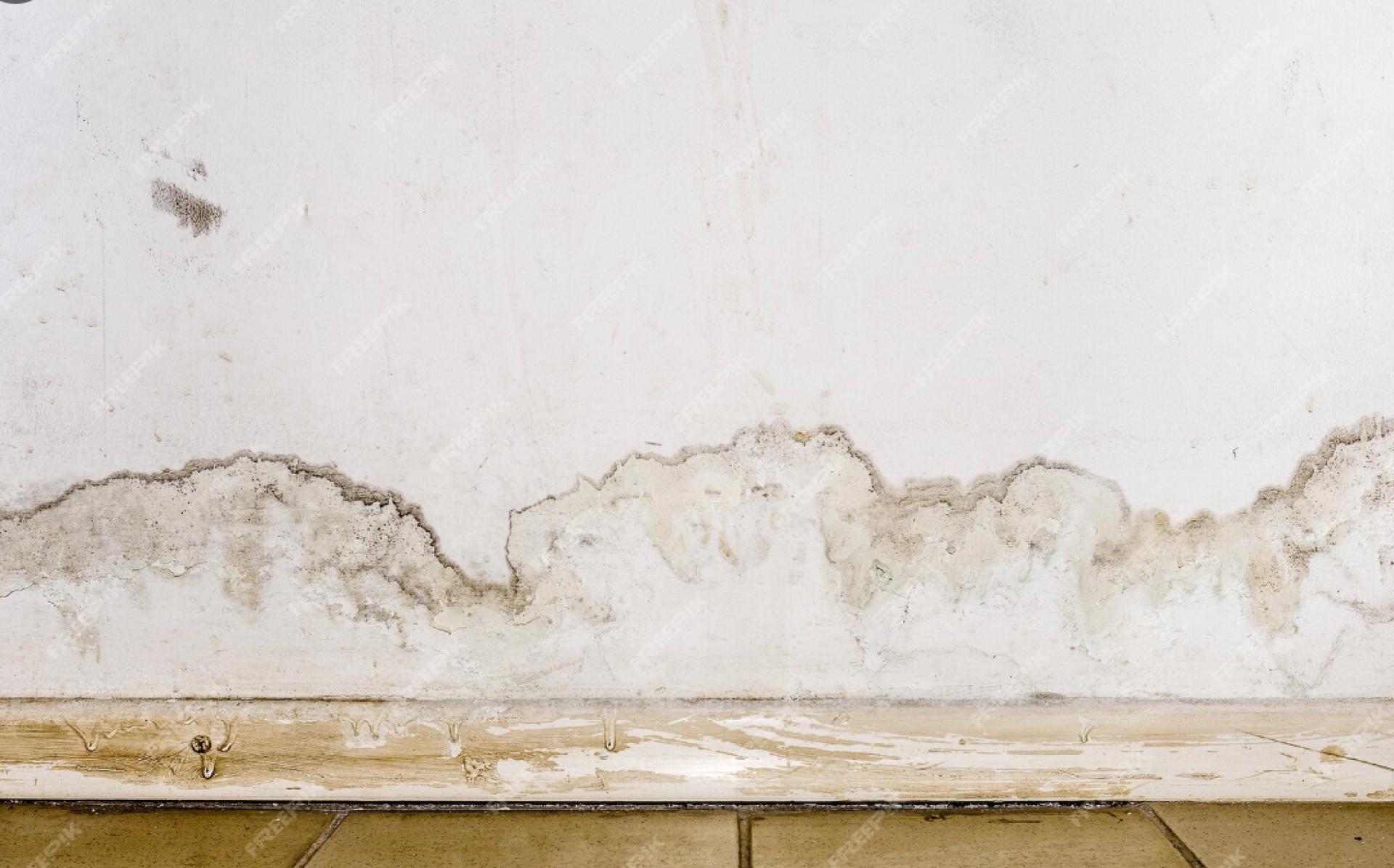
Why a Damp Bedroom Is a Problem
Damp develops when too much moisture builds up inside a property, often caused by condensation, poor ventilation, leaks, or inadequate heating. When this moisture lingers, it creates the ideal conditions for mould to grow.
Spending every night in a damp room means being exposed for long periods to poor air quality and mould spores. Over time, this can lead to discomfort, disturbed sleep, and health concerns, especially for people who are already vulnerable.
Damp and Mould: Why They Matter
Damp and mould are not simply cosmetic problems. They can damage your property and create an unhealthy indoor environment.
How mould forms in damp spaces
Mould grows where moisture is present, especially in humid and poorly ventilated rooms. Condensation on walls and windows, leaking pipes, roof problems, and water damage can all encourage mould to spread across ceilings, walls, furniture, and fabrics.
Risks linked to black mould
Black mould is particularly worrying because it releases spores into the air. Breathing in these spores may cause coughing, breathing difficulties, irritation in the eyes, and worsening asthma symptoms.
Effects of long-term exposure
Continuous exposure to damp and mould can contribute to ongoing respiratory problems, frequent allergic reactions, tiredness, and a weakened immune system. Poor living conditions may also affect mental wellbeing and make it harder to get proper rest.
People most at risk
Some groups are more likely to be affected by damp and mould, including:
- Children, because their lungs are still developing
- Older adults, who may have weaker immune systems
- People with asthma or other breathing conditions
- Anyone with allergies or reduced immunity
Dealing with damp as early as possible is important for both your health and the condition of your home.
Health Effects of Sleeping in a Damp Room
The effects of sleeping in a damp room can include much more than simple discomfort, such as:
Respiratory problems
A damp room often contains mould spores that can irritate the lungs and airways. For people with asthma, this may lead to more frequent flare-ups or breathing difficulties.
Allergic reactions
Exposure to mould can trigger symptoms such as sneezing, itchy eyes, skin irritation, and a blocked or runny nose.
Poor sleep quality
Musty, damp air can make a bedroom feel uncomfortable and stuffy, which may disturb your sleep and leave you feeling tired during the day.
Greater risk of infections
Long-term exposure to damp conditions may weaken the body’s natural defences, making you more susceptible to colds, chest infections, and other respiratory illnesses.
Signs Your Bedroom May Be Damp
If you are worried about the effects of sleeping in a damp room, look out for these common signs:
- Condensation on windows, especially in the morning
- Musty smells or visible mould on walls and ceilings
- Peeling wallpaper or bubbling paint
- Cold and clammy surfaces even when the heating is on
How to Reduce Damp in a Bedroom
Taking action early can help reduce the effects of sleeping in a damp room and create a healthier place to sleep. Here are some practical ways to manage the issue:
Improve ventilation
Open windows regularly and use extractor fans where possible to improve airflow and reduce moisture build-up.
Use a dehumidifier
A dehumidifier can help lower humidity levels, making it harder for damp and mould to develop.
Repair leaks promptly
Any roof leaks, plumbing issues, or signs of rising damp should be fixed quickly before they become more serious.
Keep the room warm
Maintaining a steady indoor temperature helps prevent condensation from forming on cold surfaces.
When Professional Help Is Needed
Although small damp issues can sometimes be handled at home, there are times when expert help is the best option.
Severe mould growth
If mould is widespread or keeps returning after cleaning, there may be a deeper damp problem that needs professional treatment.
Structural damp problems
Issues such as persistent leaks, rising damp, or visible damage to walls and ceilings should be inspected by specialists to avoid further damage.
Worsening health symptoms
If you or your family continue to experience breathing issues, allergies, or other health problems, it is important to deal with the source of the damp as soon as possible.
Getting professional support early can protect both your health and your property while helping to prevent long-term damage.
Conclusion
The effects of sleeping in a damp room go far beyond feeling uncomfortable at night. Ongoing exposure to damp and mould can affect your breathing, disrupt your sleep, and reduce your overall wellbeing. By dealing with damp problems quickly, improving ventilation, and maintaining a warm, dry environment, you can keep your bedroom healthier and safer.