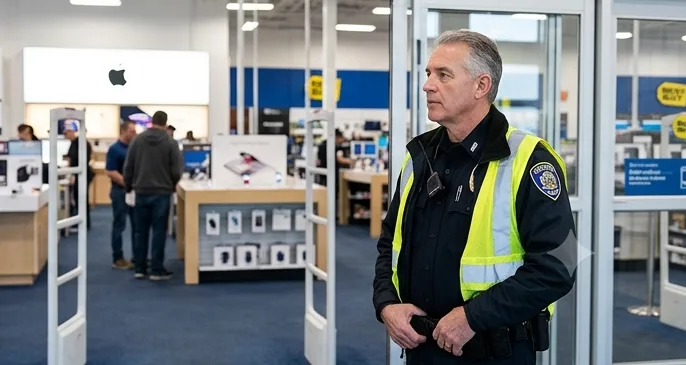
Shoplifting is a common concern for retail businesses, affecting profits, stock availability, employee confidence, and the overall shopping experience. From small independent shops to supermarkets and shopping centres, retailers need practical strategies to reduce theft while maintaining a welcoming environment for customers. By combining staff training, store design, inventory management, and professional security measures, Melbourne retailers can create safer and more secure shopping spaces.
Train Employees to Recognise Suspicious Behaviour
Well-trained employees play an important role in preventing shoplifting. Staff should understand how to recognise potential warning signs, such as repeated movement between aisles, unusual attention to security devices, or attempts to distract employees. However, these behaviours should be assessed carefully rather than treated as proof of theft.
Customer service is also an effective prevention method. Greeting customers, offering assistance, and maintaining a visible presence can discourage opportunistic theft. Employees should follow established procedures, avoid confrontations, and report concerns to a supervisor or security professional when necessary.
Improve Store Layout and Visibility
A well-organised retail environment makes it easier for employees to monitor merchandise and identify unusual activity. Tall displays, overcrowded shelves, and poorly positioned promotional stands can create hidden areas where theft may occur.
Retailers should keep important aisles clear, position high-value products within visible areas, and ensure that staff can monitor entrances, exits, and checkout counters. Mirrors may help improve visibility in corners, while suitable lighting can reduce concealed spaces. An effective layout supports both theft prevention and a more comfortable shopping experience.
Use Security Cameras and Electronic Measures
Security cameras can help retailers monitor activity, review incidents, and provide useful evidence when theft occurs. Cameras should cover important areas, including entrances, exits, checkout points, and sections containing valuable merchandise.
Electronic article surveillance systems, security tags, and product alarms can provide additional protection for selected items. Clear signage explaining the use of security measures may also discourage opportunistic shoplifting. Retailers should ensure that equipment is appropriately maintained and that surveillance practices comply with applicable privacy requirements.
Strengthen Inventory Management
Accurate inventory records help retailers identify missing products and recognise potential theft patterns. Regular stock counts, sales reconciliation, and routine checks of high-value merchandise can reveal discrepancies before losses become significant.
Businesses should also establish clear procedures for receiving deliveries, processing returns, handling damaged products, and recording stock transfers. Limiting access to storage areas and keeping valuable items in secure locations can reduce opportunities for internal and external theft.
Create a Clear Shoplifting Response Policy
Every retail business should have a documented procedure for handling suspected theft. Employees need to know whom to notify, how to record incidents, and when to contact police or trained security personnel.
Staff should never put themselves or customers at unnecessary risk by attempting dangerous physical confrontations. A calm, consistent response helps protect employees, reduce confusion, and support accurate incident reporting. Regular training can ensure that everyone understands their responsibilities.
Consider Professional Retail Security Services
Some retail environments require additional support, particularly stores experiencing repeated theft, operating during busy periods, or selling high-value products. Trained security guards can provide a visible deterrent, monitor customer activity, assist with incident response, and support staff in maintaining a safe environment.
The appropriate security arrangements depend on the store's size, location, operating hours, and risk level. A professional assessment can help identify vulnerabilities and determine which measures offer the greatest practical benefit.
Conclusion
Preventing shoplifting requires a consistent approach rather than relying on a single security measure. Staff awareness, effective store layouts, surveillance systems, accurate inventory records, and clear response procedures can help Melbourne retailers reduce losses and protect their businesses. For additional support, professional Retail Security Melbourne services can help businesses assess risks, strengthen security procedures, and create a safer shopping environment for customers and employees alike.