
When we look at a new construction site, we often see the excitement of progress—the heavy machinery, the rising frames, and the transformation of the landscape. However, beneath the movement of earth lies a delicate responsibility. Whenever we disturb the ground, we change how nature handles rain. Without a thoughtful sediment control plan, that progress can unintentionally harm the local environment, clogging our waterways and stripping away the very soil that sustains life.
Developing a strategy for managing dirt and runoff is not just about following a set of rules. It is about being a good neighbour to the land. It is an acknowledgement that while we build for the future, we must protect the natural systems that were there long before us. By understanding how water moves and how soil behaves, we can create a balance that allows for growth without leaving a trail of environmental damage behind.
Understanding the Life of a Raindrop
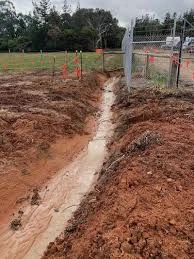
To appreciate why a sediment control plan matters, we have to imagine what happens during a heavy storm. On a natural, grass-covered field, rain is soaked up by the roots or slowed down by the blades of grass. But on a construction site where the protective layer of vegetation is gone, that same rain becomes a powerful force. It picks up loose grains of sand, silt, and clay, carrying them away in a muddy stream.
This moving soil, known as sediment, is more than just "dirty water." When it leaves a site, it ends up in our local creeks, rivers, and storm drains. Once there, it can settle at the bottom, suffocating the tiny creatures that live in the water and destroying the homes of fish. It can even make flooding worse by filling up the channels meant to carry water away. A well-designed plan acts as a safety net, catching these particles before they ever leave the boundaries of the project.
The Building Blocks of a Great Plan
Creating a successful sediment control plan is a bit like solving a puzzle. Every site is different, with its own hills, soil types, and weather patterns. However, the best plans usually rely on a few simple, human-centred principles that keep the earth where it belongs.
Keeping the Soil in Place
The most effective way to manage sediment is to prevent it from moving in the first place. This is often called erosion control. By only clearing the areas that are absolutely necessary for work, we leave the rest of the land protected by its natural cover. Using mulch, straw, or temporary seeding on bare patches of earth acts like a blanket, shielding the soil from the direct impact of raindrops.
Slowing Down the Flow
Water gains power as it gains speed. If we let rain rush down a steep slope, it will take half the hillside with it. A smart sediment control plan uses tools like fibre logs or small ridges to break up the flow. By forcing the water to take a slower, more winding path, we take away its ability to carry heavy loads of dirt.
Filtering and Settling
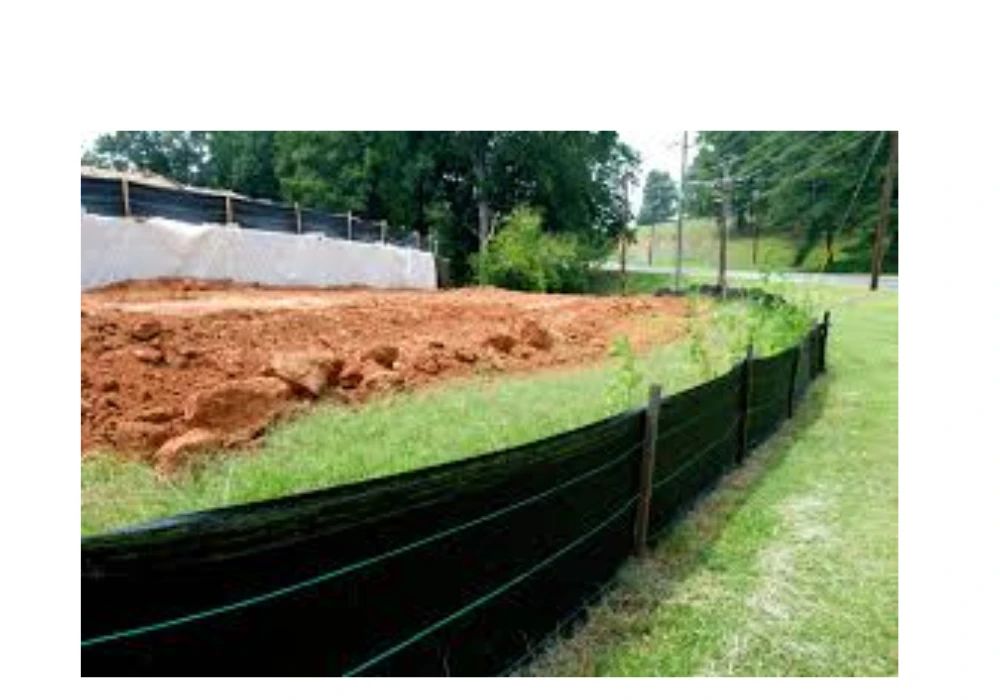
Despite our best efforts, some soil will always start to move. This is where the "control" part of the plan kicks in. Silt fences, which look like long fabric barriers, act as a filter. They allow water to pass through slowly while trapping the larger grains of sand and dirt. For larger sites, a sediment basin—essentially a temporary pond—gives the muddy water a place to sit still. When water stops moving, gravity takes over, and the sediment sinks to the bottom, leaving clearer water to flow out the other side.
The Human Element: Beyond the Blueprints
While the technical side of a sediment control plan involves maps and calculations, the human side is just as important. A plan is only as good as the people who look after it every day. It requires a team that stays curious and observant. After a big storm, someone needs to walk the site, checking the fences and ensuring the filters are not clogged.
This level of care shows a deep respect for the community. When a construction team manages their site well, the neighbours don't have to worry about muddy streets or clogged drains. The local fishing spot stays clean, and the local park remains beautiful. It turns a technical requirement into a badge of honer, proving that the project is being handled with integrity and foresight.
Adapting to a Changing Landscape
Construction is a journey, and a sediment control plan must be able to move and change along with it. As the project progresses from digging the foundation to finishing the landscaping, the risks shift. A plan that worked in the first month might need a complete rethink by the fourth month.
Staying flexible is key. If a particular barrier is not catching enough silt, the team should feel empowered to try a different approach. This "learn as you go" mindset ensures that the environment is always protected, no matter how the site evolves. It is about being proactive rather than reactive, fixing a small gap in a fence before it becomes a large problem for the local creek.
A Legacy of Better Building
In the end, a sediment control plan is a quiet promise. It is a promise that we can build beautiful homes, sturdy roads, and vibrant businesses without hurting the world around us. It proves that human ingenuity and environmental care can go hand in hand.
When we look back on a finished project, we want to see more than just a new building. We want to see a landscape that is still healthy and a water system that is still clear. By taking the time to manage the soil under our feet today, we ensure a cleaner, greener tomorrow for everyone. It is a simple, unique, and powerful way to make a lasting positive impact on the world we all share.