Controlling drainage in residential and commercial buildings is very important in avoiding floods, water damage and expensive repairs. A drainage system's most ignored but crucial features are the so-called basement sewer drain plug that forms an integral part of safeguarding spaces against unforeseen backflow. The effects of poor maintenance or the complete lack of procedures on drainage systems can be extensive and long-term in terms of structural concerns and health dangers brought about by stagnant water and mould growth. Such knowledge of the appropriate equipment and preventive strategies can save time and money for the property owners.
Relevance of Drainage Maintenance
All the properties have a system of pipes and drainage lines which silently operate in the background. These systems, however, stand to be clogged, leak and backflow if they are not regularly checked and maintained. Areas located in basements are prone to attacks since they are lower than the ground level. In such a case, when water or sewage intrudes via poorly covered drains, the intrusion can easily create flood damage, structural damage to the foundation and persistent dampness issues. Preventive drainage management helps to guarantee that the functioning is not so problematic, the emergencies are minimised, and the system is prolonged.
Background of Backflow Prevention
Backflow is one of the greatest hazards to below-ground rooms and cellars. This happens when wastewater flow is reversed and flows into a property rather than out. The backflow is usually a result of excessive rain, sewer blockages, or an abrupt change in pressure. Specific elements that will form a safe closure of the drainage system need to be identified to prevent it. These deflection tools allow the wastewater to leave the property but not re-enter it. With the correct preventive devices in place, property owners will reduce the risk of exposure to sewage and interior damage.
Usual Drainage Problems in Basements
Basements are largely prone to repeated drainage problems. The following are some of the most prevalent issues:
- Sewer Line Blockages: Blocked by rubbish, grease or foreign bodies.
- Tree Root Intrusion: Roots usually enter the underground pipes searching for water.
- Cracked or Damaged Pipes: The variations of age and pressure deteriorate pipe structures.
- Excessively Heavy Rainfall or Flooding: Unmanaged stormwater flood systems.
These problems can be identified early, and homeowners can intervene before small leakages deteriorate into great flooding experiences.
Equipment that Maximises the Protection of Drainage
Modern plumbing provides various tools that enhance the reliability of drainage systems. The most commonly used are drain plugs, backflow prevention valves and test plugs. These are used to serve different purposes, but they work together to keep water-tight systems in place. Drain plugs are specifically useful in the basement as they offer a fast way of sealing off a drain when required. On the other hand, test plugs assist professionals in discovering areas of weakness and ensure that pipes operate effectively before they cause any emergencies.
Advantages Associated with Drainage Plugs
The owners of the properties usually do not regard the drainage plugs seriously. But their advantages are much more than backflow prevention. Some advantages include:
- Flood Protection: They can act as a sure line of protection against the increase in sewage.
- Cost Savings: Water damage requires costly repairs, which could be prevented.
- Health Protection: Eschews wastewater infiltration into places where people live.
- Convenience: Their installation is rapid enough to be affordable to many households.
These benefits demonstrate why preventive actions are more affordable than emergency repairs.
Professional Testing and Inspection
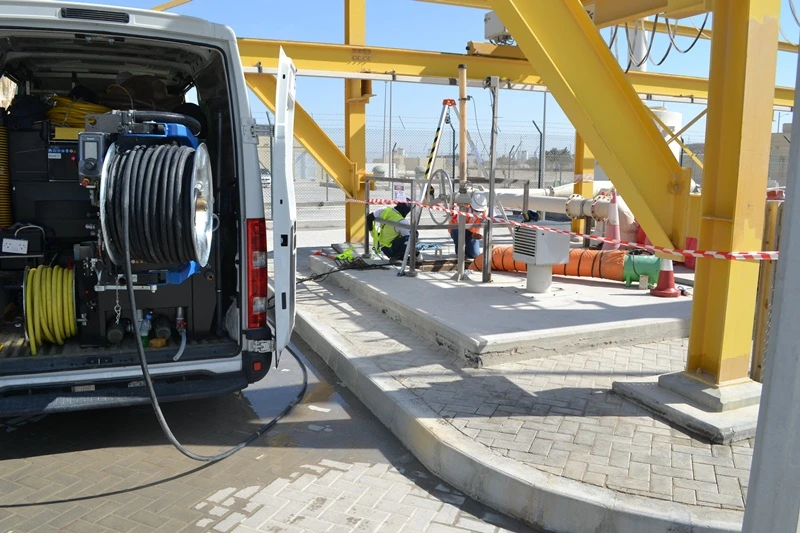
The best tools need to undergo regular maintenance to be useful. Periodic inspection of the pipes helps check for any form of leakage, pressure spot, or obstruction in the hot or cold pipe. Professional plumbers have a method of testing the integrity of pipes, which includes pressure and smoke testing. Besides this, they are fitted with special plugs that would isolate parts of the pipe and test performance. These proactive solutions enable the property owners to have confidence in their drainage systems, especially where it is high-rainy or likely to be flooded.
Beyond Tool Preventive Measures
Although plugs and valves are inevitable, there are wider preventive measures that can ensure that the efficiency of drainage is maintained. Other procedures involved are:
- Routine Cleaning: Cleaning up drains to ensure they are not clogged with grease, hair and debris.
- Tree Management: Planting of trees with invasive roots should be avoided in areas near underground lines.
- Sump Pumps: Planning of pumps in the basement to drain the drainage during storms.
- Proper Grading: Making sure that the landscapes slope out of the foundations to avoid puddling.
These measures, plus the use of protective tools, lead to the formation of a multifarious system that reduces risks.
Considerations of Cost to Homeowners
Cost is usually a determinant when it comes to the protection of drainage. Some property owners may act slowly to prevent the problem and save money. Still, the end result of water damage may result in spending more money on replacement than taking up preventive actions. Professional inspections, drainage plugs, and sump pumps are not a significant proportion of expenses relative to fixing foundation cracks, replacing flooring, or remediating mould. By investing in drainage as a long-term project, one is guaranteed peace and stability in their finances.
Selecting the Adequate Solutions for Your Property
There are no similar properties, and drainage solutions should be developed according to the needs. Variables such as the age of the building, the geographical location of the building, basement construction and local rainfall patterns affect the methods. Homeowners can also seek the advice of experts to determine the appropriate tools that can be used, be it in the form of drain plugs, sump pumps, or complete upgrades of the entire system. This is aimed at establishing a system that cannot only deal with the existing problems but also anticipate new challenges.
Conclusion
Good drainage management is more of a vision and planning as opposed to reacting to the disaster. Having the basic knowledge of the threats to basements, such as backflushing, and the ability to learn the significance of backflow prevention and use credible equipment can save the health and life of property owners. Viewing and proactive solutions ensure that the systems are robust even when they are subjected to heavy rain or obstruction, which are known to cause trouble. When choosing the appropriate equipment, most professionals underline the purpose of such tools as the pipe test plug in Dubai, which can be used to promote effective measurements and the system's durability. With the assistance of prevention devices and professional assistance, property owners will be able to develop a drainage system that is safe and strong enough to resist the forces of time.