
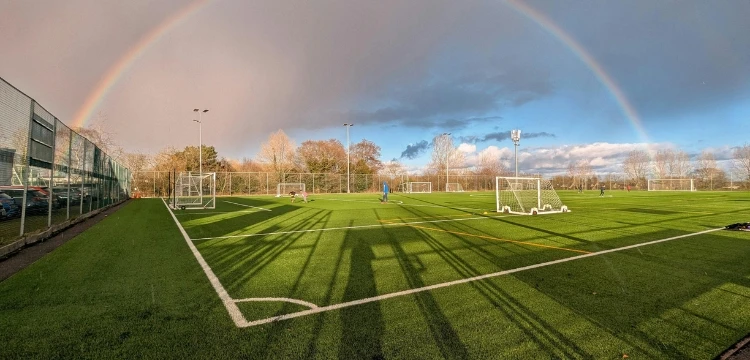
Sustainable sports infrastructure is becoming increasingly important as environmental awareness grows worldwide. Choosing environmentally responsible materials and technologies for sports surfaces helps reduce ecological impact while promoting long-term usability. A football turf manufacturer in india today can play a key role in advancing eco-friendly solutions that benefit both the sport and the environment.
Water Conservation and Reduced Irrigation
One of the most significant environmental advantages of artificial turf over natural grass is water conservation. Natural grass fields require large quantities of water for irrigation to maintain their lush green appearance and playability. In contrast, eco-designed turf systems eliminate the need for regular watering, saving substantial amounts of water annually — a critical benefit in regions facing water scarcity like many parts of India.
Elimination of Chemical Inputs
Natural grass maintenance traditionally involves the use of fertilizers, pesticides, and herbicides to control weeds and promote growth. These chemicals can leach into soil and waterways, contributing to pollution. Eco-friendly turf systems remove the need for these chemical treatments, reducing harmful runoff and protecting nearby ecosystems.
Reduced Carbon Emissions from Maintenance
Maintaining a natural grass field requires a considerable amount of energy — from lawn mowers and tractors to irrigation pumps and other equipment. These machines often run on fossil fuels, contributing to carbon emissions. In contrast, artificial turf fields demand minimal maintenance, significantly lowering emissions over time and creating a greener alternative for long-term field use.
Use of Recyclable and Sustainable Materials
Modern eco-friendly turf solutions are increasingly designed with recyclable components. Advanced turf systems use recyclable backing materials, fibers, and infills that can be processed at the end of their lifecycle instead of ending up in landfills. This recyclability supports circular economy principles, helping reduce waste and resource depletion.
Organic and Natural Infill Alternatives
Traditional synthetic turf often uses crumb rubber infill, which can raise environmental and health concerns. Eco-friendly systems incorporate natural or organic infills such as cork, coconut husk, or thermoplastic elastomers (TPE), which are biodegradable or recyclable. These alternatives minimize ecological risks, improve surface cooling, and enhance player safety.
Minimizing Microplastic Shedding
A key sustainability challenge associated with some artificial turfs is microplastic shedding. Modern eco-friendly turf designs focus on durable fibers that reduce loss of plastic particles into the environment. By minimizing microplastic dispersion, these systems help protect soil and water quality while maintaining field performance.
Lower Lifecycle Environmental Impact
When comparing artificial turf with natural grass over its entire lifecycle, modern eco-friendly systems often demonstrate a lower overall environmental footprint. While turf production involves energy and resources, the long lifespan — often over a decade — combined with low maintenance requirements leads to less cumulative environmental strain. Reduced mowing, watering, and chemical use contribute to this long-term sustainability advantage.
Consistent Playability Without Intensive Resource Use
Eco-friendly turf offers consistent performance throughout the year without the need for heavy resource inputs. Natural grass can become patchy, muddy, or unplayable after heavy rain or extensive use, requiring additional maintenance and inputs to restore. Sustainable artificial turf provides a reliable surface with minimal ecological disruption, enhancing playability without intensive resource consumption.
Supporting Local Regulatory and Environmental Goals
Many regions, including parts of India, have established environmental goals related to water use, pollution control, and sustainable development. By partnering with a football turf manufacturer in india that prioritizes eco-friendly solutions, clubs and institutions can align their infrastructure projects with these goals, demonstrating commitment to environmental responsibility and compliance with emerging regulations.
Promoting Player Safety and Comfort
Sustainability isn’t just about environmental benefits; it also encompasses human health and comfort. Eco-designed turf systems with natural infills and advanced drainage technologies help regulate surface temperature and reduce heat island effects common with older synthetic surfaces. Improved surface conditions contribute to safer play and reduce injury risk.
Cost-Effective and Low-Maintenance Over Time
Eco-friendly turf systems offer long-term cost benefits due to reduced maintenance demands. Natural grass requires regular watering, fertilizing, mowing, and periodic reseeding — all of which translate into ongoing operational costs. Sustainable turf installations require far less maintenance while still providing high performance, making them a cost-effective and eco-responsible choice.
Enhancing Community and Environmental Awareness
Adopting eco-friendly turf solutions sends a positive message about environmental stewardship. Sports facilities that invest in sustainable infrastructure help raise awareness about resource conservation, responsible field management, and the importance of aligning athletics with ecological values. This community leadership can inspire similar initiatives in other public and private sectors.
Conclusion
As environmental concerns become increasingly central to infrastructure planning and construction, the role of a football turf manufacturer in india extends beyond quality and performance. Choosing eco-friendly turf systems enhances water conservation, reduces chemical and energy use, supports recyclable materials, and aligns with sustainable development goals.
By integrating these environmentally responsible approaches, sports facilities can contribute positively to both athletic excellence and ecological health, creating a legacy of sustainable play for future generations.