
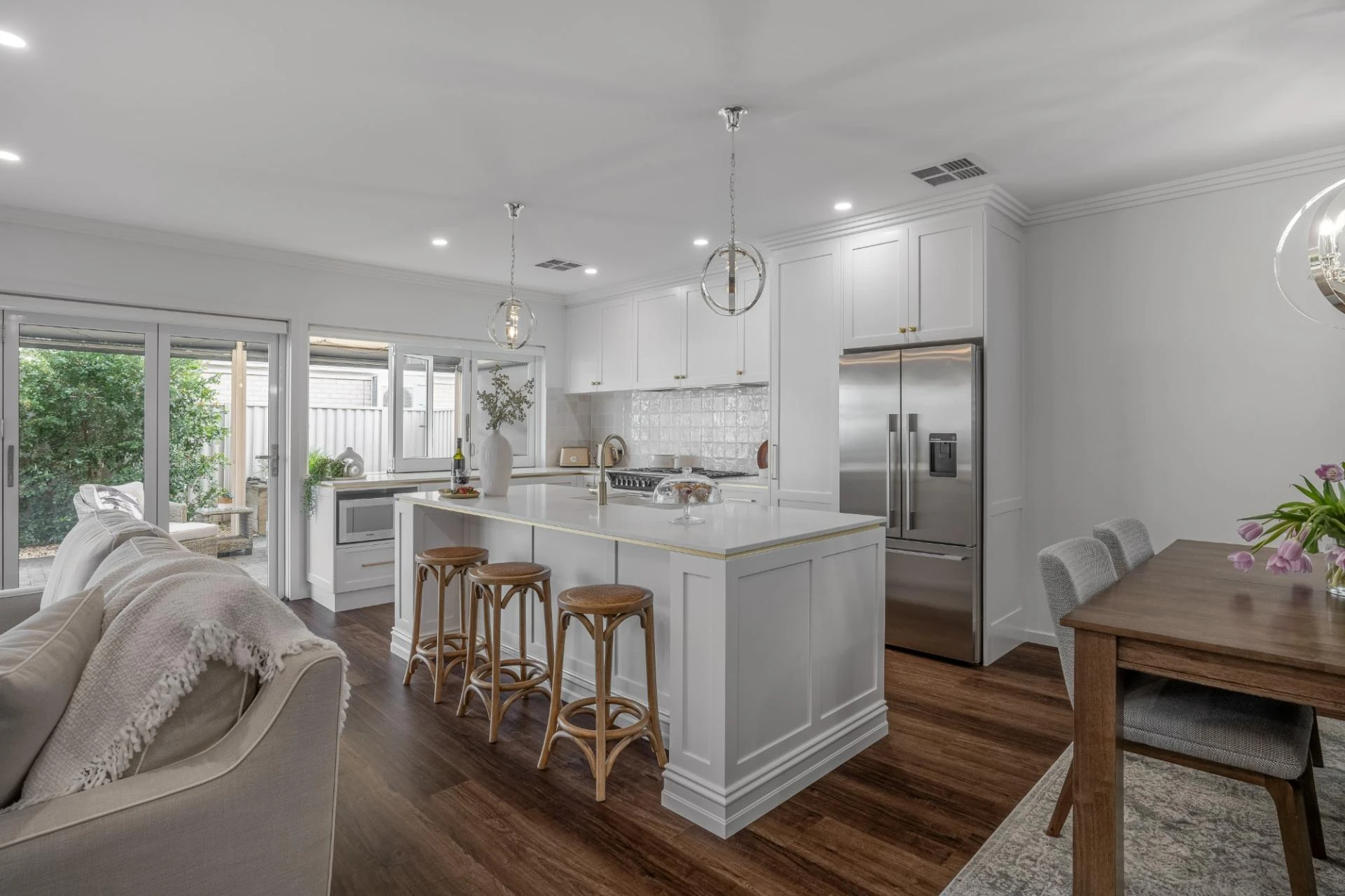
Modern homeowners are becoming increasingly aware of the impact their choices have on the environment. Renovating a kitchen is more than just an opportunity to refresh the design—it’s also a chance to adopt eco-friendly practices that reduce waste, conserve resources, and create a healthier living space. By focusing on sustainable materials and energy-efficient upgrades, households can enjoy a stylish and functional kitchen while minimizing their carbon footprint. This approach has gained popularity among families planning renovations in Kitchens Adelaide, where both style and sustainability are valued.
Sustainable Materials for Modern Kitchens
One of the most effective ways to make a kitchen renovation environmentally friendly is to carefully select the materials used. Traditional options such as non-recyclable laminates or plastics contribute to landfill waste and environmental harm. Instead, sustainable alternatives like reclaimed timber, bamboo, recycled glass, and stainless steel can bring unique textures and durability to a kitchen.
Reclaimed timber is a popular choice for benchtops, shelving, and cabinetry, offering a rustic yet modern charm. Bamboo is another sustainable option, growing quickly and requiring fewer resources than traditional hardwoods. Recycled glass surfaces can add vibrant character while reducing the need for new raw materials. Stainless steel, often recyclable and long-lasting, remains a strong contender for eco-friendly kitchens.
Opting for low-VOC (volatile organic compounds) paints and finishes is another important step. These products reduce indoor air pollution, creating a healthier cooking environment. Homeowners in Kitchens Adelaide are increasingly choosing these safer alternatives to enhance the longevity and sustainability of their renovations.
Energy-Efficient Appliances and Lighting
A kitchen’s energy consumption is a major consideration when aiming for sustainability. Replacing outdated appliances with modern, energy-efficient models is one of the easiest upgrades with long-term benefits. Energy Star-rated ovens, dishwashers, and refrigerators use less power and water without compromising performance.
Lighting is another area where eco-friendly upgrades can make a significant difference. LED lights consume up to 80% less energy than traditional bulbs and last much longer. Strategic placement of task lighting, combined with maximizing natural light through larger windows or skylights, creates a bright and inviting atmosphere while reducing electricity use.
In Kitchens Adelaide, energy-efficient designs are increasingly seen as investments that not only lower utility bills but also enhance property value.
Water Conservation Features
Beyond energy efficiency, water usage is another important factor in an eco-friendly kitchen. Installing low-flow taps, aerators, and efficient dishwashers can significantly reduce water waste. Some homeowners also choose to integrate greywater systems that recycle water for garden use, further enhancing sustainability.
Waste Reduction and Recycling
A green kitchen renovation also considers the lifecycle of materials. Designing dedicated storage spaces for composting and recycling encourages sustainable habits for the whole household. Choosing durable products that last longer also reduces the need for frequent replacements, minimizing overall waste.
Conclusion
Eco-friendly kitchen renovations are no longer just a trend—they are a responsible and practical choice for modern living. By embracing sustainable materials, energy-efficient appliances, water-saving fixtures, and waste-conscious design, homeowners can enjoy kitchens that are beautiful, functional, and environmentally responsible. For those considering upgrades in Kitchens Adelaide, the move toward eco-friendly renovation offers the perfect balance between style, comfort, and sustainability.