
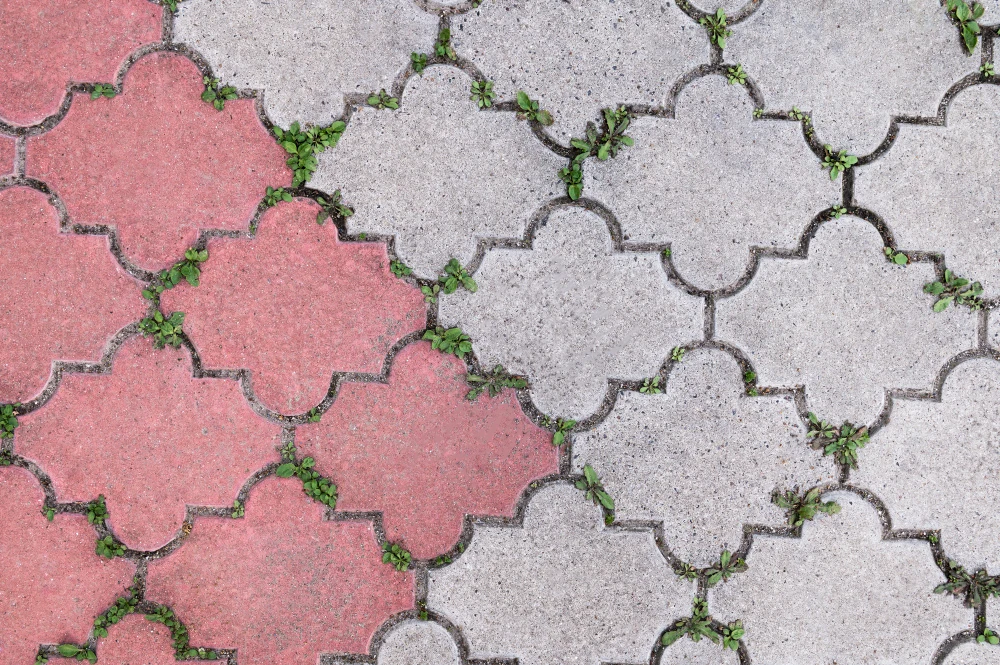
In recent years, sustainability has moved from a lifestyle choice to a growing priority for homeowners, builders, and municipalities alike. Whitby, a rapidly growing town in Ontario, is no exception. As residents become more environmentally conscious, eco-friendly landscaping and construction practices are seeing a significant rise—especially in outdoor paving. Among the most promising trends is the adoption of eco-friendly interlocking solutions.
Whether you're a homeowner planning a new driveway, patio, or pathway, or a contractor looking to align with green building practices, understanding sustainable interlocking options can help you make better choices for the environment—and your wallet.
In this guide, we explore why eco-friendly interlocking is gaining traction in Whitby, what materials and methods are considered sustainable, and how you can implement these solutions on your property.
Why Whitby is Embracing Eco-Friendly Interlocking
1. Growing Environmental Awareness
The residents of Whitby are increasingly attuned to the environmental impact of urban development. With Lake Ontario nearby and frequent fluctuations in weather, there's a heightened awareness of the need for better stormwater management, erosion control, and natural preservation.
Interlocking pavers that support green practices help:
- Reduce water runoff
- Improve soil permeability
- Lower carbon footprints in manufacturing
2. Municipal Sustainability Goals
The Town of Whitby has implemented sustainability plans aimed at enhancing green infrastructure and reducing environmental impact. This has encouraged builders and landscapers to adopt more sustainable practices, including the use of permeable paving and recycled materials in construction projects.
What Makes an Interlocking Solution Eco-Friendly?
Not all interlocking stones are created equal. Here's what to look for in an eco-friendly solution:
a) Permeable Pavers
Permeable interlocking pavers (PICP) are specially designed to allow water to pass through the joints and into the ground beneath. This helps:
- Prevent flooding and pooling
- Replenish groundwater
- Reduce strain on Whitby’s stormwater systems
They are ideal for driveways, walkways, and patios and are highly recommended in areas prone to heavy rain or snowmelt.
b) Recycled or Sustainable Materials
Some manufacturers now offer pavers made from:
- Recycled concrete
- Reclaimed bricks
- Natural stone sourced with minimal environmental disruption
These materials help conserve resources and reduce landfill waste.
c) Low-Carbon Manufacturing
Look for pavers produced by companies with low-emission manufacturing processes, minimal chemical treatments, and energy-efficient production lines. Locally sourced products also reduce the carbon footprint associated with transportation.
Top Eco-Friendly Interlocking Materials in Whitby
1. Permeable Concrete Pavers
These look similar to traditional concrete pavers but are engineered for water permeability. They’re perfect for homeowners who want a clean, modern look while staying environmentally responsible.
Pros:
- Easy to maintain
- Customizable in shape and color
- Affordable
Cons:
- Requires professional installation for optimal permeability
2. Natural Stone (e.g., Flagstone, Granite, Limestone)
Natural stones are durable and naturally abundant. When responsibly sourced, they offer an eco-conscious solution with a timeless aesthetic.
Pros:
- No harmful chemicals
- Long lifespan (40+ years)
- Minimal processing required
Cons:
- More expensive
- Heavier and more labor-intensive to install
3. Clay Bricks
Made from natural clay and fired in kilns, bricks can also be considered eco-friendly when produced using clean energy or recycled materials.
Pros:
- Traditional, elegant appearance
- Recyclable and reusable
- Extremely durable
Cons:
- Less permeable unless spaced properly
- Higher installation costs
The Benefits of Eco-Friendly Interlocking in Whitby
1. Improved Stormwater Management
One of the most significant benefits of permeable pavers is their ability to absorb rainwater. In Whitby’s variable climate, managing stormwater is crucial to prevent runoff, flooding, and erosion.
By mimicking the natural water cycle, these pavers help protect:
- Local lakes and rivers from contamination
- Foundations and basements from water damage
- Community infrastructure from overuse
2. Reduced Heat Island Effect
Traditional asphalt or concrete surfaces retain and radiate heat, contributing to urban heat islands. Eco-friendly materials like light-colored pavers or natural stone reflect more sunlight and help regulate surface temperatures—especially important during Whitby’s hot summers.
3. Increased Property Value
Sustainable landscaping is more than a trend—it’s an investment. Eco-conscious buyers are increasingly looking for homes that incorporate green features. Installing eco-friendly pavers enhances curb appeal while making your property future-proof.
4. Tax Incentives and Rebates
Depending on your project and material choice, you may be eligible for local or provincial incentives. Whitby and Durham Region occasionally offer rebates for green infrastructure like permeable driveways or stormwater-friendly landscaping.
Planning Your Eco-Friendly Interlocking Project
Here are some key steps for Whitby homeowners interested in sustainable paving:
1. Choose the Right Contractor
Hire a landscaping or hardscaping professional with experience in eco-friendly installations. Ask about:
- Previous green projects
- Certifications in sustainable construction
- Knowledge of local building codes and environmental guidelines
2. Design with Drainage in Mind
Plan your layout to promote natural water flow. Incorporate:
- Slopes that direct runoff toward gardens or drainage beds
- Vegetated borders or rain gardens
- Gravel bases beneath permeable pavers for filtration
3. Select Sustainable Joint Fillers
Instead of traditional sand, use environmentally safe joint fillers like polymeric sand with stabilizers to reduce weed growth and runoff contamination.
4. Maintain Your System
Eco-friendly doesn’t mean maintenance-free. Keep your permeable pavers functional by:
- Regularly cleaning debris from joints
- Resealing natural stone when needed
- Replacing damaged or sunken pavers to preserve water flow
Cost Considerations
While eco-friendly solutions often come with a higher upfront cost, they deliver long-term savings in maintenance, repairs, and utility bills.
Approximate Price Range in Whitby (2025):
- Permeable concrete pavers: $22–$35 per sq. ft.
- Natural stone: $30–$50 per sq. ft.
- Clay bricks: $25–$40 per sq. ft.
- Recycled materials: Varies; may offer savings
These costs can be offset by reduced erosion, lower repair needs, and increased home value.
Final Thoughts
Eco-friendly interlocking solutions are more than a landscaping trend—they are a practical, sustainable way to beautify your Whitby property while protecting the environment. From improved water management to lasting curb appeal, these paving systems offer a win-win for homeowners and the planet.
As sustainability becomes the norm rather than the exception, now is the perfect time to invest in interlocking that aligns with both your design vision and environmental values. Whether you’re building new or renovating old, your outdoor space can be a model for green living.
Ready to transform your yard the eco-friendly way? Talk to a local Whitby interlocking expert who specializes in sustainable landscaping, and start planning your green upgrade today.