
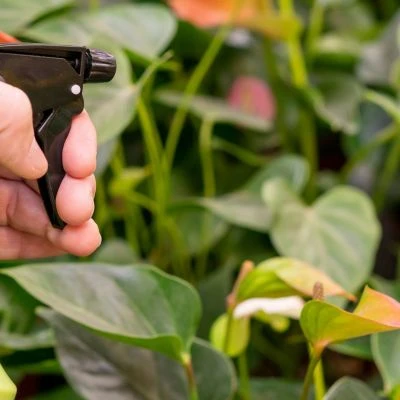
In plant health, timing is everything. The first signs of parasitic activity are often subtle, overlooked until visible damage sets in. Whether you’re nurturing a small indoor collection or managing a larger grow, recognizing the early indicators can help preserve plant vitality and reduce the need for harsh interventions. This is where understanding both prevention and treatment—using the best pesticide for plants and a natural fungicide for plants—becomes essential for every serious gardener.
Subtle Clues: How Plant Parasites Begin Their Attack
Parasitic infestations rarely start dramatically. The earliest symptoms usually appear as faint chlorosis (yellowing) on young leaves or along the leaf veins. This occurs because parasites disrupt nutrient flow within plant tissues. Some insects, like aphids and spider mites, feed on sap, draining essential carbohydrates and reducing chlorophyll production.
Other parasitic organisms—such as nematodes—affect the roots, causing the plant to show symptoms of nutrient deficiency despite proper feeding. Early on, you might notice slowed growth, drooping, or mild leaf curling. These are warning signs of internal stress caused by microscopic invaders feeding unseen.
Surface Irregularities: Telltale Physical Evidence
Once parasites establish themselves, they begin to leave distinct traces. Sticky residues, often called “honeydew,” signal the presence of aphids or whiteflies. This sugary secretion can attract secondary problems like sooty mold, which coats leaves in a dull, black film that interferes with photosynthesis.
For leaf-mining insects, winding trails appear across the leaf surface as larvae tunnel through internal tissue. Thrips cause silvery streaks, while spider mites create tiny punctures and web-like filaments. Detecting these patterns early can help growers intervene before infestations multiply beyond control.
The Invisible Threat: Fungal Parasitism and Root Zone Distress
Not all parasites are visible above the soil line. Fungal and microbial parasites target the root zone, where they thrive in moist, stagnant environments. When roots begin to suffocate under anaerobic conditions, fungi such as Pythium and Fusarium take hold. The result is root rot—a silent killer that moves upward, causing sudden wilting, brown lesions, and irreversible decay.
This is where a natural fungicide for plants becomes invaluable. Unlike synthetic chemicals that may harm beneficial microbes, natural fungicides disrupt fungal spore formation and inhibit their reproductive cycles while preserving the plant’s delicate ecosystem.
The Science of Control: Precision Without Harm
Modern plant science increasingly favors targeted biological control over blanket chemical treatments. The best pesticide for plants today is one that acts quickly on harmful pests while maintaining plant health and environmental safety. Botanical-based pesticides use natural compounds—often derived from essential oils or organic extracts—to disrupt the nervous systems or cell membranes of pests without leaving toxic residues.
These advanced formulations ensure that growers can protect both yield and purity, an especially critical factor for edible and medicinal crops. The shift toward integrated pest management (IPM) means blending natural and mechanical defenses—strong ventilation, balanced watering, and biological agents—before resorting to chemical interventions.
A Preventive Approach: Building Long-Term Resistance
Once pests are eradicated, prevention becomes the priority. Maintaining strong root health and clean water systems can drastically reduce the risk of recurring infestations. Plants with access to consistent nutrition and balanced moisture develop natural resistance mechanisms—thicker cell walls, higher resin content, and robust microbial defenses in the rhizosphere.
Regular monitoring is equally important. By inspecting the undersides of leaves, testing soil moisture, and keeping air circulation optimal, growers can create an environment that deters parasites naturally.
Closing Reflection: Prevention is Precision
Parasites exploit imbalance—too much moisture, insufficient light, or nutrient inconsistency. Recognizing the first signs gives growers the advantage of control. The modern plant caretaker no longer relies solely on reactionary methods; they combine scientific insight with sustainable practices.
By pairing the best pesticide for plants with a natural fungicide for plants, gardeners and cultivators alike can preserve the health of their collections while contributing to a cleaner, more sustainable horticultural future.