Introduction
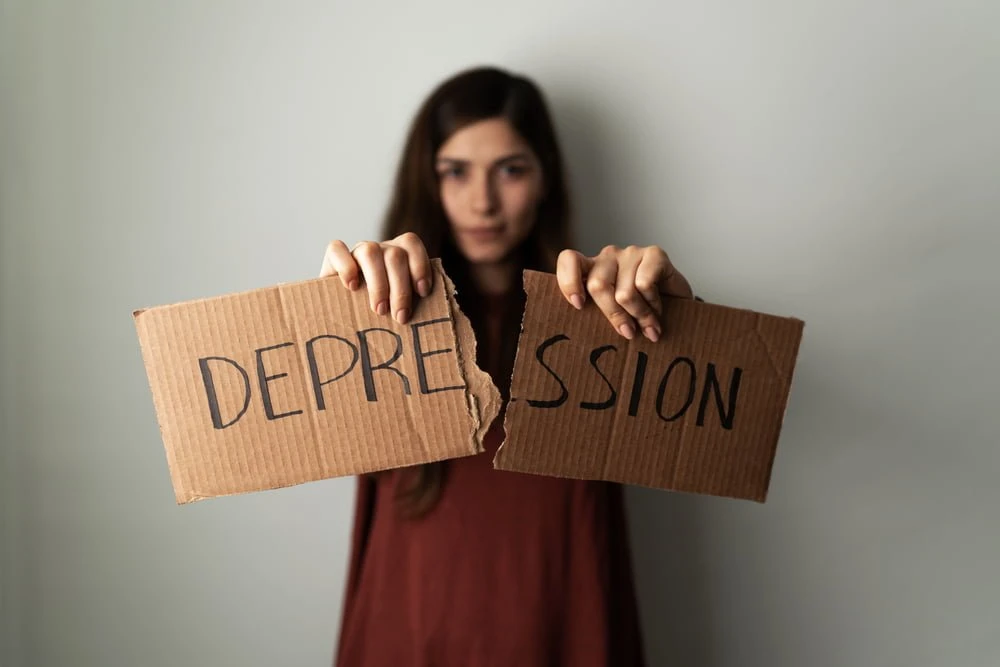
Depression is one of the most widespread mental health conditions, impacting millions worldwide. Recognizing the early signs of depression can make a significant difference in how effectively it is treated. Many people overlook these symptoms, mistaking them for temporary sadness or stress. However, clinical depression disease and related conditions such as bipolar depression or major depressive disorder symptoms require timely attention. This guide explains the symptoms with depression, what causes it, and how to manage it with proper care and depression treatment.
What Is Depression?
So, what is depression? It is more than occasional sadness — it’s a persistent condition that affects emotions, behavior, and even physical health. Unlike normal mood fluctuations, depression symptoms can last weeks or months and interfere with daily functioning.
Early Signs of Depression
The early signs of depression can be subtle, but they should not be ignored:
- Persistent sadness or emptiness
- Loss of interest in activities once enjoyed
- Sleep problems (insomnia or oversleeping)
- Fatigue or lack of energy
- Changes in appetite and weight
- Difficulty concentrating
- Feelings of hopelessness or guilt
Recognizing these symptoms of depression early makes it easier to seek appropriate treatment for depression.
Major Depressive Disorder Symptoms
Major depressive disorder symptoms are more severe than early warning signs and include:
- Thoughts of self-harm or suicide
- Intense feelings of worthlessness
- Severe lack of motivation
- Difficulty performing even basic tasks
These signs indicate the need for immediate professional help.
Bipolar Depression and Its Signs
Bipolar depression is a mood disorder where individuals experience cycles of depressive episodes and manic phases. Symptoms may overlap with clinical depression disease, but also include periods of high energy, impulsivity, and reduced need for sleep. Understanding these patterns is key for effective bipolar depression treatment.
What Causes Depression?
There isn’t a single cause. Factors include:
- Genetics and family history
- Brain chemistry imbalances
- Chronic stress or trauma
- Medical conditions
- Substance abuse
Knowing what causes depression helps in selecting the right depression treatment plan.
How to Help Someone with Depression
Supporting loved ones is critical. If you’re wondering how to help someone with depression, here are simple ways:
- Offer emotional support without judgment
- Encourage them to seek depression treatment
- Help with daily responsibilities
- Be patient and understanding
Treatment for Depression
There are several approaches to treatment for depression, depending on severity:
- Therapy: Cognitive behavioral therapy (CBT), talk therapy, and group therapy.
- Depression medication: Antidepressants to balance brain chemicals.
- Bipolar depression treatment: May include mood stabilizers along with therapy.
- Lifestyle changes: Exercise, diet improvements, and mindfulness practices.
- Emerging therapies: Some cases explore options like ketamine for depression.
Early treatment prevents the condition from escalating into major depressive disorder symptoms.
Managing Depression Daily
While professional depression treatment is essential, daily habits also make a difference:
- Maintain a consistent sleep schedule
- Eat a balanced diet
- Engage in physical activity
- Limit alcohol and drug use
- Build a strong support system
At Gendrics, we emphasize combining professional care with personal strategies for lasting results.
The Role of Awareness in Depression
Awareness reduces stigma and encourages people to seek help earlier. Many delay treatment because they don’t recognize the symptoms with depression or fear judgment. With trusted resources like Gendrics, individuals can find reliable information and take the first step toward recovery.
Final Thoughts
Identifying the early signs of depression is the first step in managing this serious condition. From understanding what causes depression to exploring depression treatment options, timely care is critical. Whether it’s clinical depression disease, bipolar depression, or major depressive disorder symptoms, early intervention saves lives. Gendrics continues to provide information and guidance to support individuals on their journey to better mental health.
FAQs
1. What is depression?
Depression is a persistent mental health condition causing sadness, loss of interest, and difficulty functioning in daily life.
2. What are the early signs of depression?
Signs include sadness, fatigue, poor concentration, appetite changes, and loss of interest in hobbies.
3. What causes depression?
It may stem from genetics, stress, trauma, brain chemistry, or medical conditions.
4. How to help someone with depression?
Offer support, encourage treatment, and be patient while avoiding judgment.
5. What are treatments for depression?
Therapy, depression medication, lifestyle changes, and in some cases, advanced treatments like bipolar depression treatment.