
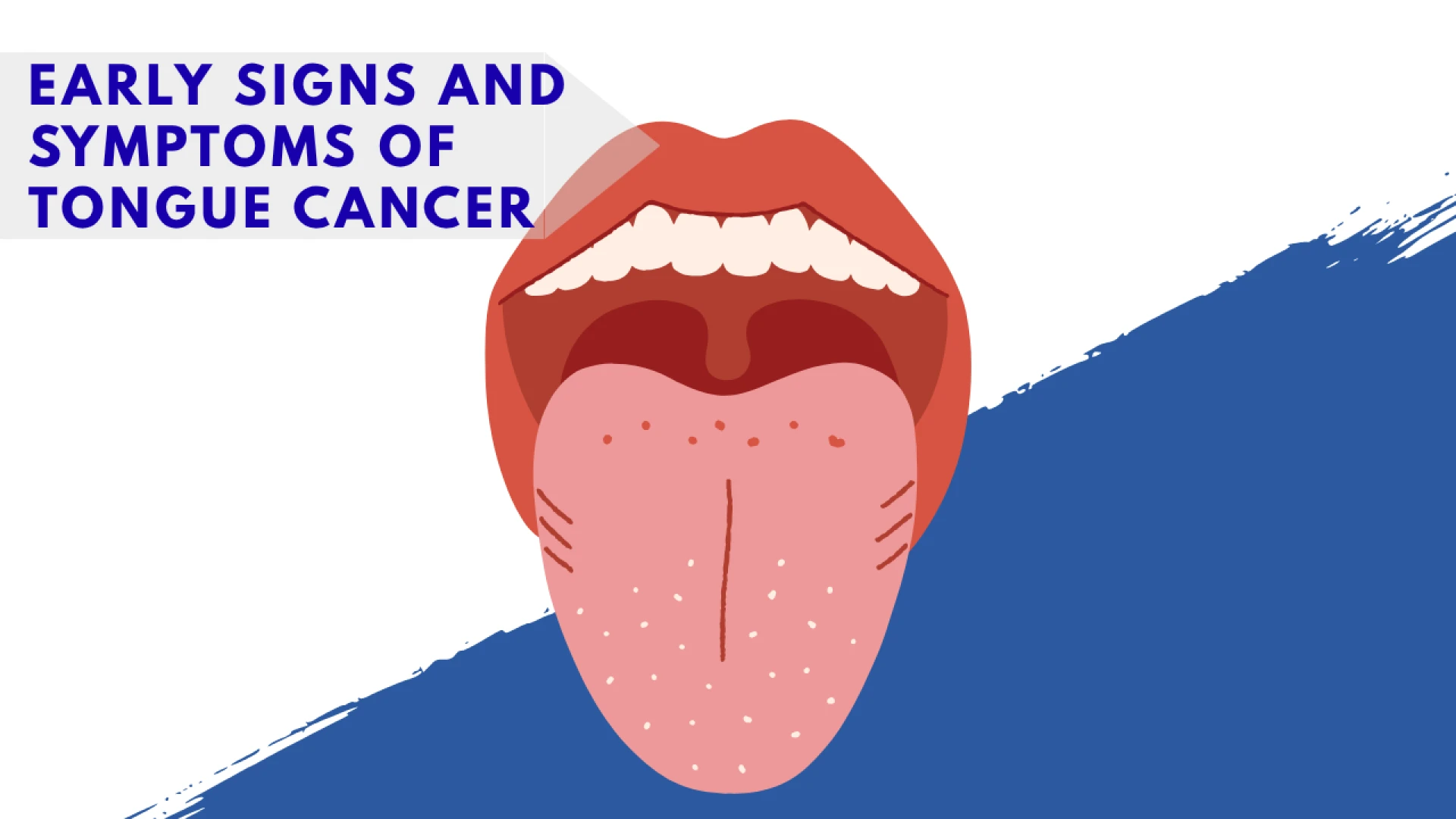
The tongue, an essential muscular organ for speech, taste, and swallowing, is also a site where cancer can develop. Tongue cancer, most commonly a type of squamous cell carcinoma, is categorized into two forms: oral tongue cancer (affecting the front, mobile two-thirds) and base of tongue cancer (affecting the back third near the throat). While the latter is often harder to detect, recognizing the subtle, initial indicators of the former is crucial, as early diagnosis significantly improves outcomes. Learning to identify the markers of early stage tongue cancer is the most important step in seeking timely, life-saving treatment.
In Thailand, oral cancers, including tongue cancer, represent a significant health burden, particularly among males and older individuals. The high prevalence in certain regions, especially the Northeast, is often linked to localized risk factors like betel nut (betel quid) chewing, in addition to widespread risk factors like tobacco and alcohol use. Because early tongue cancer may present as a seemingly harmless sore or patch, awareness is low, and the vast majority of cases are tragically discovered at advanced stages. Proactive self-examination and regular dental screening are therefore indispensable strategies in the Thai context for catching these lesions when they are most curable.
The Critical Importance of Early Detection
Unlike some internal cancers, oral tongue cancer is visible and physically accessible, offering a clear opportunity for early diagnosis. However, this advantage is lost if suspicious signs are ignored or mistaken for common ailments.
The Two-Week Rule
The most critical symptom to watch for in early tongue cancer is persistence. Many benign mouth sores, ulcers, or patches can appear due to accidental biting, hot foods, or transient infections, but they typically heal within seven to ten days.
- Persistent Sore or Ulcer: Any sore, bump, or ulcer on the tongue that does not heal or improve within two weeks must be professionally evaluated by a dentist or doctor. This is the single most important rule of thumb.
- Non-Healing Nature: The sore may resemble a common mouth ulcer (aphthous ulcer) initially, but cancerous lesions fail to enter the healing phase because the abnormal cells continue to grow. These lesions are most often found on the sides of the tongue.
Appearance of Patches (Leukoplakia and Erythroplakia)
Pre-cancerous and early-cancerous changes often manifest as distinct patches on the tongue's surface or the surrounding oral lining. These patches are typically painless, making them easy to overlook.
- White Patches (Leukoplakia): These are thick, white patches that cannot be scraped off. While many are benign, some can be pre-cancerous and may progress to cancer.
- Red Patches (Erythroplakia): These are velvety red patches. This type of lesion is much less common than leukoplakia but has a significantly higher chance of being or becoming cancerous. Patches with a mixture of red and white are also highly suspicious.
Physical and Sensory Changes on the Tongue
As the cancerous cells grow, they affect the texture, sensation, and movement of the tongue, often leading to subtle changes that disrupt daily function.
Changes in Texture and Surface Feel
The initial growth of a tumor may be felt more easily than it is seen, particularly in the routine movement of the tongue.
- Lump or Thickening: Feeling a persistent lump, thickening, or hardening of the tissue on the side or underside of the tongue is a key early sign. This thickening is caused by the abnormal, invasive growth of the cancer cells.
- Bleeding: The lesion may begin to bleed easily, often with no clear cause other than touching, brushing, or eating coarse foods. Unlike bleeding from an injury, this blood may ooze from the lesion mixed with saliva.
Persistent Pain and Numbness
While early lesions are often painless, the sensation can change as the disease progresses and invades underlying nerves.
- Burning Sensation: Some patients report a persistent burning sensation or tenderness on the tongue that does not resolve.
- Numbness (Paresthesia): A partial or complete loss of sensation (numbness) in the tongue or a specific area of the mouth can indicate that the tumor is affecting local nerves. This symptom is highly concerning and should be checked immediately.
- Ear Pain (Referred Pain): As the tumor grows, especially in the base of the tongue, the pain can sometimes be "referred" through shared nerve pathways, manifesting as a persistent earache on the same side as the lesion, even if the ear itself is healthy.
Functional Impairments and Systemic Signs
While these signs may indicate later stages, they are often the symptoms that finally prompt a person to seek medical help.
Difficulty with Movement and Swallowing
Cancerous growth restricts the natural flexibility and motion of the tongue and surrounding structures.
- Trouble Moving the Tongue or Jaw: A tumor can physically interfere with the muscle function, making it difficult or painful to move the tongue side-to-side, stick it out, or move the jaw (trismus or "lockjaw").
- Dysphagia (Painful or Difficult Swallowing): This is particularly common with cancers at the base of the tongue. The patient may feel chronic soreness or a persistent sensation that something is caught in the throat. This discomfort can lead to reluctance to eat.
Lymph Node Involvement
The lymphatic system is the body’s drain and is the first place cancer cells travel when they spread.
- Lump in the Neck: A swollen, firm, persistent, and often painless lump in the neck (under the jaw or along the side of the neck) may be the first noticeable sign that the cancer has spread to the nearby lymph nodes. This signifies a more advanced stage but is still a critical symptom requiring prompt action.
Systemic and Voice Changes
Other general changes may occur as the body struggles with the disease or as the tumor physically affects speech.
- Unexplained Weight Loss: This occurs due to difficulty and pain when chewing and swallowing, or due to a loss of appetite associated with the cancer.
- Voice Change (Hoarseness): If the cancer affects the base of the tongue or the area near the throat, it can sometimes cause changes in the voice, such as persistent hoarseness.
Risk Factors and Screening in Thailand
Understanding the risk factors prevalent in Thailand empowers high-risk individuals to prioritize frequent screening and take preventative measures.
Key Regional Risk Factors
The pattern of oral cancer in Thailand highlights several specific cultural and lifestyle risk factors.
- Tobacco and Alcohol: As is common worldwide, the combined use of tobacco (in all forms) and excessive alcohol consumption is the most significant risk multiplier for tongue cancer.
- Betel Nut (Betel Quid) Chewing: This practice, common in Southeast Asian regions like the Northeast of Thailand, is a major, independent risk factor for oral cancers, including those of the tongue. The chemical components in the betel quid act as potent carcinogens.
- Human Papillomavirus (HPV): HPV infection is increasingly recognized as a leading cause of base of tongue cancer, particularly in younger patients who may not have traditional tobacco/alcohol risk factors.
The Crucial Role of Dental Check-ups
Given the high prevalence of oral cancer in high-risk groups (men over 40, smokers, betel nut chewers), regular professional screening is the best chance for early detection.
- Routine Oral Screening: The Thai government and healthcare providers emphasize that all individuals, especially those over 40 years old, should receive regular oral cancer screening as part of routine dental check-ups. A dentist is often the first clinician to spot a suspicious lesion during a simple visual and physical examination of the oral cavity and neck.
- Self-Examination: Individuals should also perform a monthly mouth self-examination (MSE) using a mirror and good light to look for patches, lumps, or sores on all surfaces of the tongue and the rest of the mouth.
Take Action on Persistent Symptoms
Tongue cancer, particularly the oral tongue type, can be highly treatable and often curable when detected in its early stage tongue cancer phase. The tragic reality in Thailand and elsewhere is that late-stage diagnosis dramatically lowers the survival rate and necessitates more aggressive, quality-of-life-impairing treatments. The key takeaway is simple: Any sore, patch, lump, or area of numbness on the tongue or in the mouth that persists for two weeks or longer—even if it is painless—is a red flag that demands immediate attention from a qualified medical professional, dentist, or specialist. Do not delay, as your awareness is your strongest defense against this disease.
FAQs
If I have a white patch on my tongue, is it definitely cancer?
No, a white patch, known as leukoplakia, is often benign. It can be caused by irritation, inflammation, or friction. However, leukoplakia is considered a potentially malignant disorder because some cases can progress to cancer. Any white, thick patch that does not disappear must be checked by a dentist or doctor, who may perform a simple biopsy to rule out malignancy.
Does the HPV vaccine prevent tongue cancer?
The HPV vaccine is primarily known for preventing cervical cancer, but it also protects against the specific types of Human Papillomavirus (HPV) that are a growing cause of base of tongue (oropharyngeal) cancer. Since the infection is often acquired early in life, vaccination is recommended for adolescents and young adults to significantly reduce the risk of these virus-related oral cancers later in life.
How often should I get screened for oral cancer in Thailand?
For individuals over 40 or those with major risk factors (smoking, heavy alcohol use, or betel nut chewing), a full oral cancer screening should be performed at least once per year as part of a routine dental or medical check-up. The process is quick, painless, and involves a thorough visual and physical examination of the mouth, throat, and neck.
Can tongue cancer be mistaken for an ordinary mouth ulcer?
Yes, in its earliest stage, a cancerous lesion on the tongue can look very much like a common, benign mouth ulcer. The key difference is duration. While a common ulcer heals within 7 to 10 days, a cancerous lesion persists for two weeks or more and may begin to bleed or harden. If an ulcer does not improve, it should not be dismissed as "just a sore."