Introduction
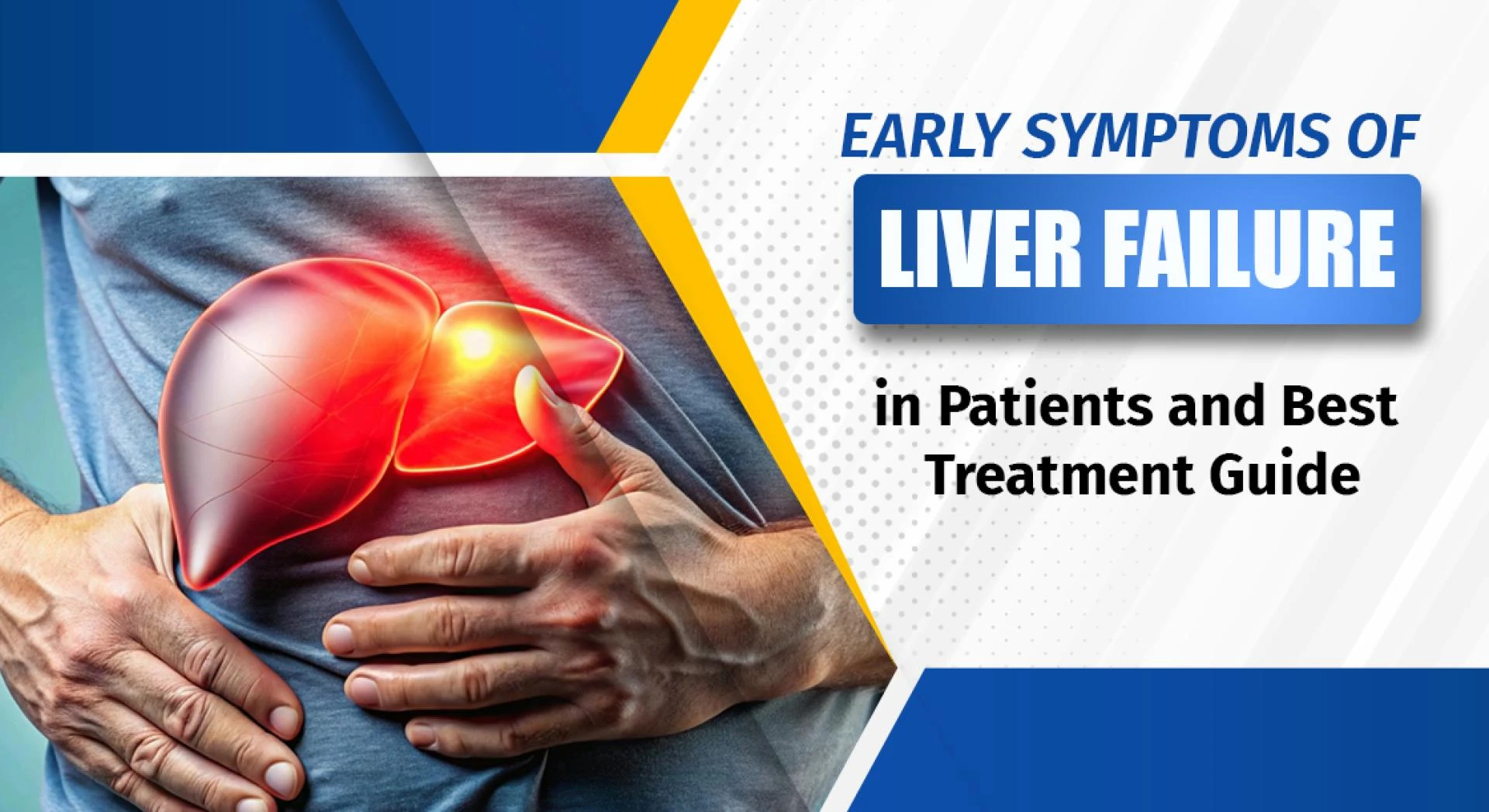
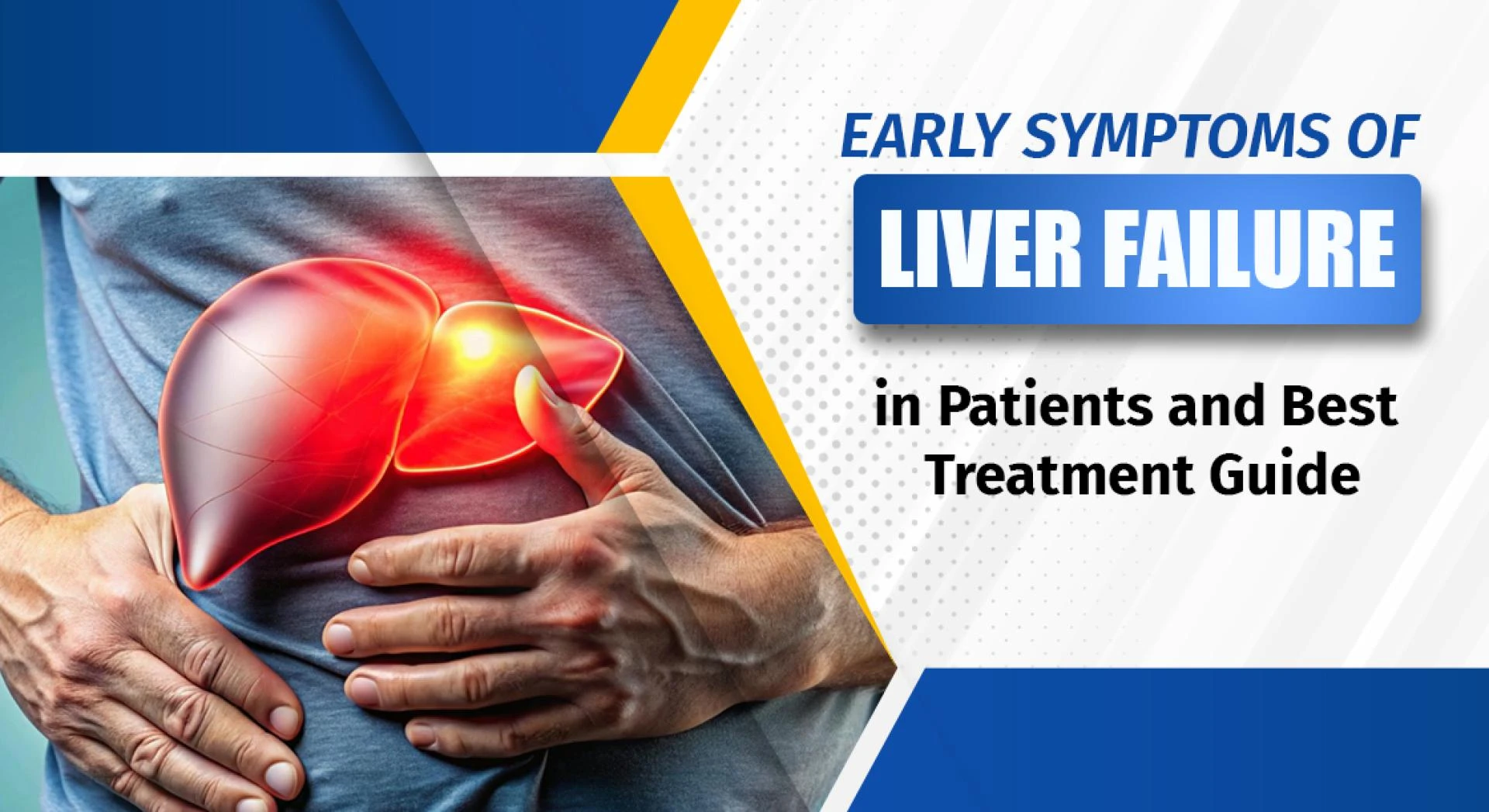
The liver is central to maintaining overall health, yet its deterioration often goes unnoticed until symptoms become severe. Many patients initially being treated for Liver Cancer Treatment may also show early signs of liver dysfunction that require urgent intervention. Recognising Liver Failure Symptoms at the earliest stage is crucial for effective treatment and improved survival outcomes.
Extreme Tiredness
Persistent tiredness that does not improve with rest can indicate compromised liver function. As toxins accumulate in the bloodstream, they interfere with energy production and brain clarity. Patients frequently report feeling drained and mentally foggy. This symptom, although common, should never be ignored when combined with other Liver Failure Signs.
Appetite Loss and Nausea
Digestive irregularities such as nausea, vomiting, and appetite loss are common Liver Failure Symptoms. The liver’s inability to produce adequate bile disrupts digestion, particularly of fatty foods. Continued digestive discomfort may lead to malnutrition and weight loss if untreated.
Visible Jaundice
Yellowing of the eyes and skin indicates bilirubin buildup. Jaundice is a serious sign of liver dysfunction that demands prompt medical assessment. Rapid progression of jaundice in acute cases directly influences the Acute Liver Failure Survival Rate.
Fluid Retention
Swelling in the lower limbs or abdomen occurs due to reduced albumin production. Fluid leakage from blood vessels leads to oedema and discomfort. This is often a sign of advanced liver damage requiring immediate care.
Abnormal Urine and Stool
Dark urine and pale stools reflect bile processing issues. These changes serve as reliable indicators of Liver Failure Signs and should prompt urgent medical testing.
Best Treatment: Immediate Medical Intervention
Hospitalisation and Supportive Care: Intensive care management stabilises patients while preventing complications.
Liver Transplantation: Modern transplant techniques significantly enhance the Acute Liver Failure Survival Rate.
Conclusion
One of the most important organs in the human body, the liver produces bile for digestion, filters pollutants, and controls metabolism. The repercussions might be fatal if it starts to malfunction. Recognising Liver Failure Symptoms early can make a significant difference in patient outcomes. Whether the condition develops gradually (chronic) or rapidly (acute), understanding the warning signs is essential for timely intervention. The Acute Liver Failure Survival Rate improves dramatically when the condition is detected and treated promptly. This article outlines the most common Liver Failure Signs and the best treatment approaches available today.
The early Liver Failure Signs must be understood because they will determine whether patients survive their condition or develop severe health problems. The Acute Liver Failure Survival Rate continues to improve because medical professionals now have better diagnostic tools and treatment methods, yet the most effective way to achieve positive patient outcomes is early diagnosis. The symptoms of liver failure that this article describes need immediate medical attention from healthcare providers. If you are looking for a prominent and highly specialised doctor to get your liver transplant done precisely, book your appointment with Dr Ushast Dhir. His immense years of experience and skills determine the success percentage.