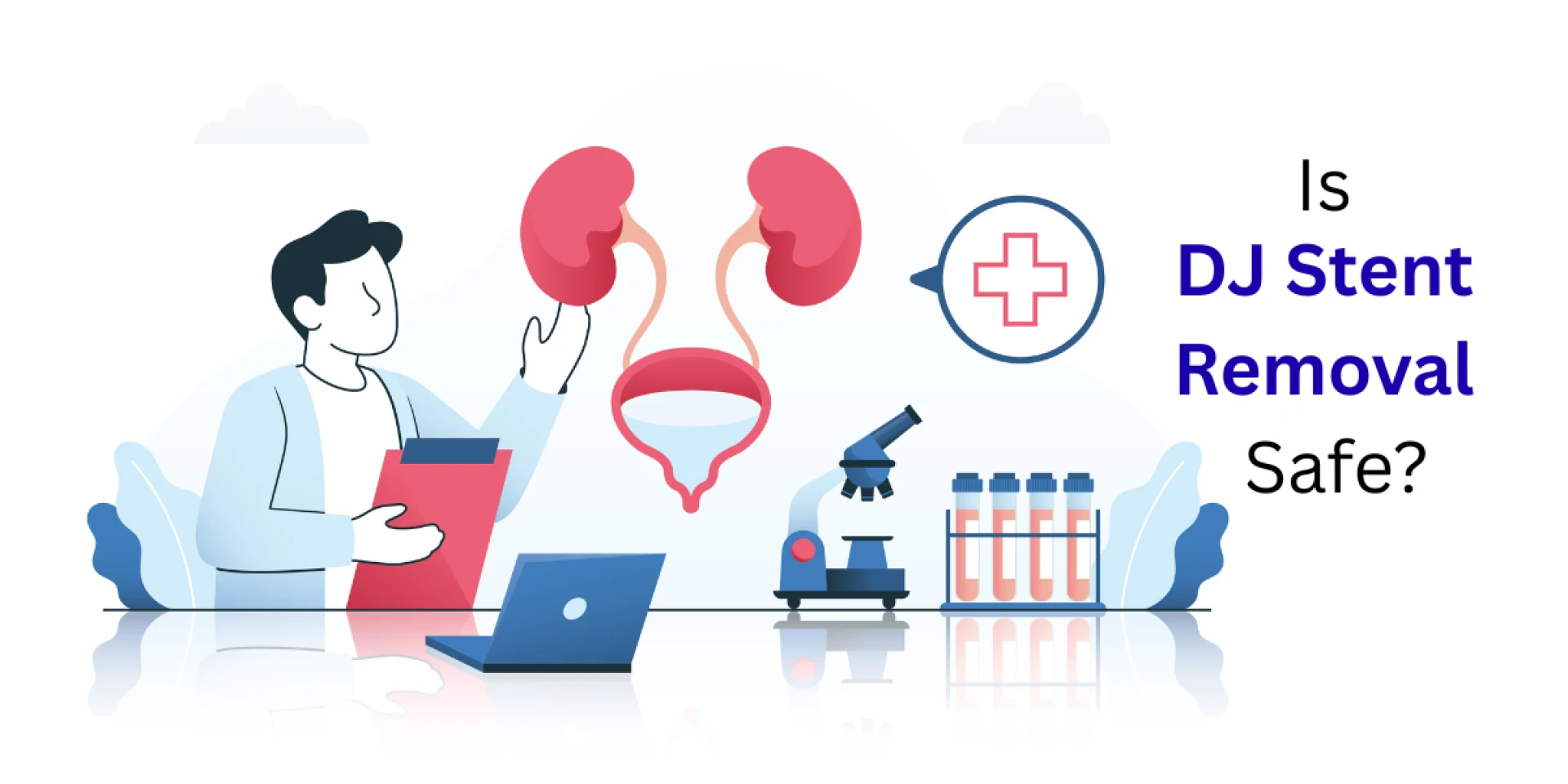
A DJ stent (Double J stent) is a small, flexible tube placed inside the ureter to keep it open and allow urine to pass from the kidney to the bladder. It is commonly inserted after kidney stone removal, ureter surgery, or certain urinary tract procedures. While the stent is temporary, one common question patients have is: “Can it be removed earlier than planned, and is it safe?”
Why DJ Stents Are Placed
Doctors insert DJ stents to:
- Prevent blockage in the ureter.
- Allow proper healing after surgery.
- Reduce pressure on the kidney.
A DJ Stent Removal procedure is usually done a few days to a few weeks after placement, depending on the reason for the stent and the patient’s healing progress.
What Is Early DJ Stent Removal?
Early removal means taking out the stent before the originally scheduled date. This may be considered in situations such as:
- Severe discomfort or pain from the stent.
- Allergic reaction or intolerance to the stent material.
- Signs of infection.
- Doctor’s assessment that healing is complete ahead of schedule.
Possible Benefits of Early Removal
- Less discomfort: Some patients feel constant urinary urgency, back pain, or irritation while the stent is in place.
- Lower infection risk: The longer a stent stays in, the higher the chance of bacterial growth.
- Faster return to normal activities: Without the stent, daily activities like walking or working can be more comfortable.
Risks of Removing a DJ Stent Too Early
While early removal may feel tempting, it can have downsides:
- Urinary Tract Infections (UTI)
- The stent helps maintain proper urine flow. If removed too soon, swelling in the ureter can cause partial blockage, increasing the chance of infection.
- Urine Leakage (Leak Risks)
- If the surgical area inside the ureter or kidney has not fully healed, removing the stent early may cause urine to leak into surrounding tissues, leading to pain, swelling, or even infection.
- Return of Symptoms
- Problems like flank pain or reduced urine flow can return if the underlying healing is incomplete.
These DJ stent removal complications are rare but possible, which is why doctors usually set a specific timeline for removal.
How the DJ Stent Removal Procedure Works
The procedure is usually quick and done in the hospital or clinic:
- Cystoscope method: A thin tube with a camera is inserted through the urethra to locate and remove the stent.
- String removal method: If a thread is left attached to the stent, the doctor can gently pull it out without a scope.
The process typically takes only a few minutes, and most patients go home the same day.
Recovery and Care After DJ Stent Removal
- Drink plenty of fluids: This helps flush out bacteria and prevents infection.
- Mild discomfort is normal: Burning sensation during urination or slight blood in urine may occur for a day or two.
- Rest and avoid heavy lifting for at least 24 hours.
What to Eat After DJ Stent Removal
A healthy diet supports healing:
- Hydrating foods: Watermelon, cucumber, and soups help maintain urine flow.
- Low-sodium meals: Prevents fluid retention and supports kidney health.
- Fruits rich in vitamin C: Like oranges and strawberries, to help reduce infection risk.
- Avoid very spicy or highly processed foods for a few days to prevent bladder irritation.
Final Thoughts
Early DJ stent removal can be safe in selected cases, but it should always be guided by a doctor’s advice. The decision depends on how well the ureter has healed, the risk of UTI or leakage, and the original reason for the stent. Following your doctor’s instructions after the DJ Stent Removal procedure, eating kidney-friendly meals, and being alert to DJ stent removal complications can help ensure a smooth recovery.