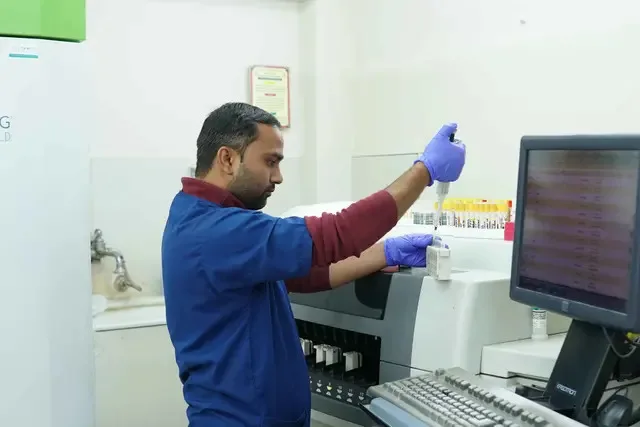
Early Detection and Patient Education: Building a Stronger Approach to Blood Health
Good health depends not only on receiving treatment when an illness develops but also on understanding potential health risks and recognising when medical attention is needed. Blood plays a central role in the body's functioning, transporting oxygen, supporting immunity, and helping control bleeding. Conditions affecting blood cells, haemoglobin, platelets, or clotting factors can therefore have a significant impact on overall health. Early recognition, accurate diagnosis, and access to reliable medical information are essential for managing these conditions effectively.
For individuals and families dealing with blood-related conditions, access to reliable healthcare and patient support can make the treatment journey easier to understand. Awareness initiatives and patient welfare organisations also help communities learn about different blood disorders, the importance of safe blood supplies, and the value of ongoing medical care. A well-informed patient is better prepared to communicate with healthcare professionals and participate in treatment decisions.
Why Early Detection Matters
Early detection can help identify certain blood disorders before complications become more difficult to manage. Some conditions produce noticeable symptoms, while others may remain undetected until routine investigations or medical evaluations reveal an underlying problem.
For example, iron-deficiency anaemia may cause fatigue, weakness, dizziness, and difficulty concentrating. Inherited conditions such as thalassemia can sometimes be identified through appropriate blood investigations and screening. Bleeding disorders may become apparent through unusual bruising, prolonged bleeding, or a family history of similar symptoms.
Recognising these signs does not mean diagnosing a condition independently. Symptoms can have several possible causes, and only appropriate medical assessment can establish an accurate diagnosis.
Regular checkups can be particularly useful for individuals with a family history of inherited blood disorders or other relevant health risks. Healthcare professionals can recommend suitable screening based on personal circumstances.
Understanding Common Blood Investigations
Blood tests provide valuable information about the body's health and help doctors investigate a wide range of conditions. Different tests are selected according to symptoms, medical history, and suspected diagnoses.
Some commonly used investigations include:
- Complete Blood Count (CBC): Measures red blood cells, white blood cells, haemoglobin, and platelets.
- Peripheral Blood Smear: Allows laboratory specialists to examine the size, shape, and appearance of blood cells.
- Iron Studies: Help evaluate iron levels and investigate possible iron deficiency or iron overload.
- Haemoglobin Analysis: Helps identify certain inherited haemoglobin disorders, including different forms of thalassemia.
- Coagulation Tests: Evaluate aspects of the blood-clotting process and may help investigate bleeding disorders.
Not every patient requires all these tests. A doctor determines which investigations are appropriate and explains what the results mean.
The Importance of Understanding Different Blood Disorders
Blood disorders are not a single category of illness. They include conditions with different causes, symptoms, and treatment requirements. Some are inherited, while others develop because of nutritional deficiencies, immune system abnormalities, infections, or bone marrow problems.
Thalassemia affects haemoglobin production and may require regular blood transfusions in more severe forms. Hemophilia affects the body's ability to form blood clots and can cause prolonged bleeding. Other conditions may influence red blood cells, white blood cells, platelets, or the production of blood components.
Understanding these differences is important because treatment approaches cannot be applied universally. Learning about other types of blood disorders can help individuals and families become more familiar with conditions that may require specialised medical attention.
Reliable information also helps reduce misconceptions. Patients should be encouraged to seek professional guidance instead of relying on unverified online remedies or advice from non-medical sources.
Patient Education and Informed Healthcare Decisions
Medical information can sometimes feel complicated, especially when patients are introduced to unfamiliar terminology, laboratory results, or long-term treatment plans. Patient education helps make this information easier to understand.
Healthcare professionals can support informed decision-making by explaining:
- The nature and possible causes of a diagnosed condition.
- Available treatment options and their expected benefits.
- The purpose of recommended investigations.
- Possible complications and warning signs.
- The importance of follow-up appointments.
- Lifestyle considerations relevant to the individual condition.
Patients should also be encouraged to ask questions whenever something is unclear. Understanding treatment instructions can improve communication between patients and healthcare teams and help individuals follow their care plans more confidently.
Improving Access to Long-Term Patient Care
Some blood disorders require continuing medical attention, which can place pressure on patients and their families. Regular transfusions, specialist consultations, laboratory investigations, and medication may involve considerable time and financial resources.
Accessible healthcare services can help reduce these challenges. Hospitals, charitable organisations, and patient welfare groups can contribute by supporting medical services, sharing reliable information, and connecting families with appropriate resources.
For patients who require repeated transfusions, a safe blood supply is particularly important. This depends on voluntary donors, proper donor assessment, laboratory screening, and suitable storage and handling procedures.
Healthcare institutions and community organisations can strengthen these systems through responsible practices and public education.
The Role of Families and Communities
Patients often rely on family members for emotional encouragement and practical assistance. Caregivers may help arrange appointments, maintain treatment schedules, and communicate with healthcare providers.
Communities can contribute by promoting awareness, supporting voluntary blood donation, and encouraging people to participate in credible health initiatives. Educational activities in schools, workplaces, and community centres can also help make important medical information more accessible.
A supportive environment should respect the privacy and dignity of patients. People living with chronic blood disorders should have opportunities to study, work, and participate in social activities without unnecessary discrimination.
Building a More Informed Approach to Blood Health
Improving blood health requires cooperation between healthcare professionals, patients, families, nonprofit organisations, and the wider community. Early recognition, accurate diagnosis, patient education, and appropriate treatment can work together to improve the management of many blood-related conditions.
Public awareness should focus on practical and medically reliable information. Individuals can contribute by attending recommended health checkups, learning about voluntary blood donation, supporting credible patient welfare initiatives, and encouraging others to seek qualified medical advice.
Conclusion
Early detection and patient education are important foundations of effective blood disorder management. When individuals understand their health needs and have access to appropriate medical support, they are better prepared to manage treatment and make informed decisions.
By strengthening healthcare access, encouraging responsible blood donation, and improving community awareness, society can create a more supportive environment for people affected by blood disorders. Long-term progress depends on combining medical knowledge with compassion, cooperation, and a commitment to patient well-being.