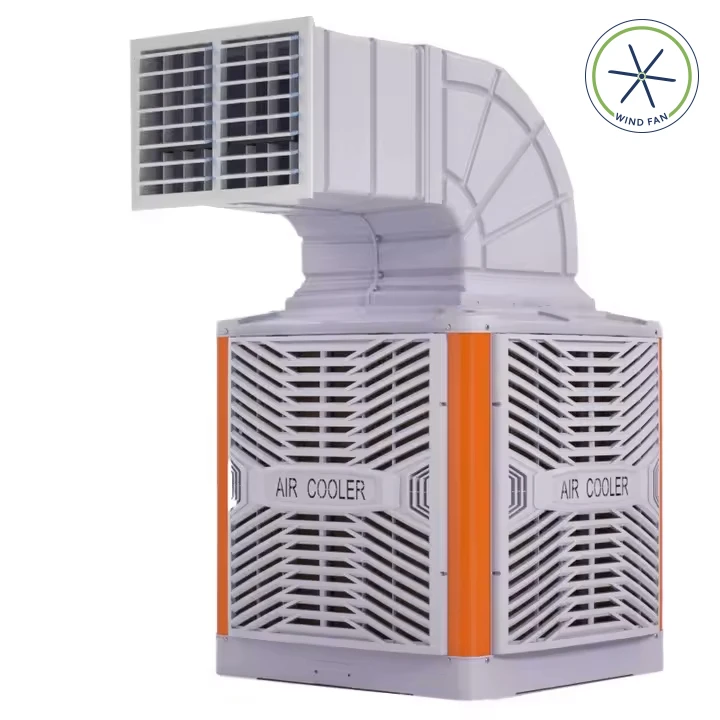
Cooling large spaces efficiently has always been a challenge for industries, commercial facilities, warehouses, and large halls. Traditional air conditioning systems often struggle to maintain consistent temperatures across expansive areas, especially where ceilings are high or ventilation is limited. Rising energy costs and the need for sustainable solutions have also pushed businesses to explore smarter alternatives.
A Duct air cooler offers a practical and cost-effective solution designed specifically for such environments. By distributing cooled air evenly through a network of ducts, it ensures uniform airflow across large spaces without excessive energy consumption. This makes it an ideal option for factories, shopping complexes, event venues, workshops, and other large facilities that require reliable cooling performance.
How Duct Air Coolers Work
Duct air coolers operate on the principle of evaporative cooling. Warm air from the environment passes through cooling pads soaked with water. As the air moves through these pads, heat is absorbed and the temperature drops naturally. The cooled air is then pushed through ducts that distribute it evenly throughout the workspace.
Unlike traditional air conditioners that rely on refrigerants and sealed environments, evaporative cooling systems continuously circulate fresh air. This constant airflow not only reduces temperature but also improves ventilation. The duct system ensures that air reaches distant corners of large facilities, eliminating hot spots and maintaining consistent comfort levels.
Ideal for Large and Open Spaces
One of the biggest advantages of duct-based cooling systems is their ability to serve expansive areas effectively. Large industrial spaces often have open doors, high roofs, or semi-open structures where air conditioning systems lose efficiency.
Duct air coolers are particularly effective in such environments because they provide continuous airflow rather than trying to recirculate enclosed air. This makes them suitable for warehouses, production plants, logistics hubs, and commercial showrooms. Even in areas where doors are frequently opened and closed, the cooling performance remains stable.
Energy Efficiency and Cost Savings
Energy efficiency is a major concern for businesses operating large facilities. Conventional air conditioning systems can consume significant electricity, leading to high operational costs. In contrast, evaporative cooling systems require considerably less power.
Because duct air coolers use water evaporation instead of compressors and refrigerants, they consume less energy while still delivering effective cooling. This results in lower electricity bills and reduced strain on power infrastructure. For organizations seeking sustainable and budget-friendly cooling options, this system offers an attractive balance between performance and cost.
Lower energy usage also contributes to a reduced carbon footprint, aligning with environmental responsibility goals.
Improved Air Quality and Ventilation
In industrial and commercial settings, maintaining good air quality is essential. Machinery, equipment, and daily operations can produce heat, dust, and stale air. Poor ventilation may lead to discomfort and health concerns for employees.
Duct air coolers enhance air circulation by continuously introducing fresh air into the space. The constant movement of air helps remove humidity, reduce odor buildup, and maintain a healthier indoor environment. Improved ventilation not only supports worker comfort but also protects equipment from overheating and moisture-related issues.
A well-ventilated workspace promotes productivity, reduces fatigue, and enhances overall operational efficiency.
Flexible Installation and Scalability
Large facilities often have unique layouts that require customized cooling solutions. Duct air coolers offer flexibility in installation, allowing businesses to design duct networks that suit their specific floor plans.
The duct system can be configured to target high-heat zones or distribute airflow evenly throughout the entire building. As a business expands, additional ducts or units can be integrated to increase cooling capacity without major structural changes.
This scalability makes duct-based cooling systems suitable for growing enterprises. Whether operating a medium-sized workshop or a large manufacturing plant, businesses can adapt the system to meet evolving needs.
Low Maintenance and Durability
Durability is critical in industrial environments where equipment operates continuously. Duct air coolers are built with robust materials designed to withstand demanding conditions. Their relatively simple mechanical design reduces the likelihood of complex technical issues.
Routine maintenance typically involves cleaning cooling pads, checking water levels, and ensuring duct pathways remain clear. Compared to traditional HVAC systems, maintenance requirements are straightforward and cost-effective.
Reduced maintenance downtime ensures uninterrupted operations, which is particularly important in manufacturing and logistics sectors.
Enhancing Workplace Productivity
Temperature control has a direct impact on employee performance. Excessive heat can cause fatigue, decreased concentration, and reduced productivity. In physically demanding workplaces, it may also increase the risk of heat-related illnesses.
By maintaining a comfortable and well-ventilated environment, duct air coolers create better working conditions. Employees can focus on tasks more effectively when the temperature is regulated and fresh air circulates consistently.
Improved comfort often translates into higher morale, better efficiency, and lower absenteeism. For employers, investing in reliable cooling solutions demonstrates a commitment to workforce well-being.
A Sustainable Cooling Choice
Sustainability is becoming a priority across industries. Businesses are looking for ways to reduce energy consumption and environmental impact without compromising operational efficiency.
Duct air coolers support these goals by utilizing natural cooling methods. They do not rely heavily on chemical refrigerants and consume less electricity compared to conventional systems. This makes them a more eco-friendly alternative for large-scale cooling needs.
As environmental regulations become stricter and awareness grows, adopting energy-efficient cooling systems positions businesses as responsible and forward-thinking organizations.
Conclusion
Large spaces require specialized cooling systems that combine efficiency, durability, and cost-effectiveness. Duct air coolers provide a smart solution by delivering uniform airflow, improving ventilation, and reducing energy consumption. Their adaptability to open environments, flexible installation options, and low maintenance needs make them highly suitable for industrial and commercial applications.
By investing in a duct-based cooling system, businesses can enhance employee comfort, protect equipment, and achieve long-term operational savings. In an era where efficiency and sustainability matter more than ever, duct air coolers stand out as a practical and intelligent cooling choice for expansive workspaces.