If you or a loved one is struggling with both substance use and mental health issues, you're not alone. Many people dealing with addiction also face conditions like depression, anxiety, or PTSD. Trying to manage both at once can feel confusing and overwhelming. This combination is known as dual diagnosis, and the good news is—there is a specific way to treat it.
Dual diagnosis treatment addresses both addiction and mental health conditions together, not separately. This approach helps people heal more fully and prevents relapse caused by untreated mental health symptoms. Let’s look closely at what dual diagnosis means, why it matters, and how it’s treated.
What Is Dual Diagnosis?
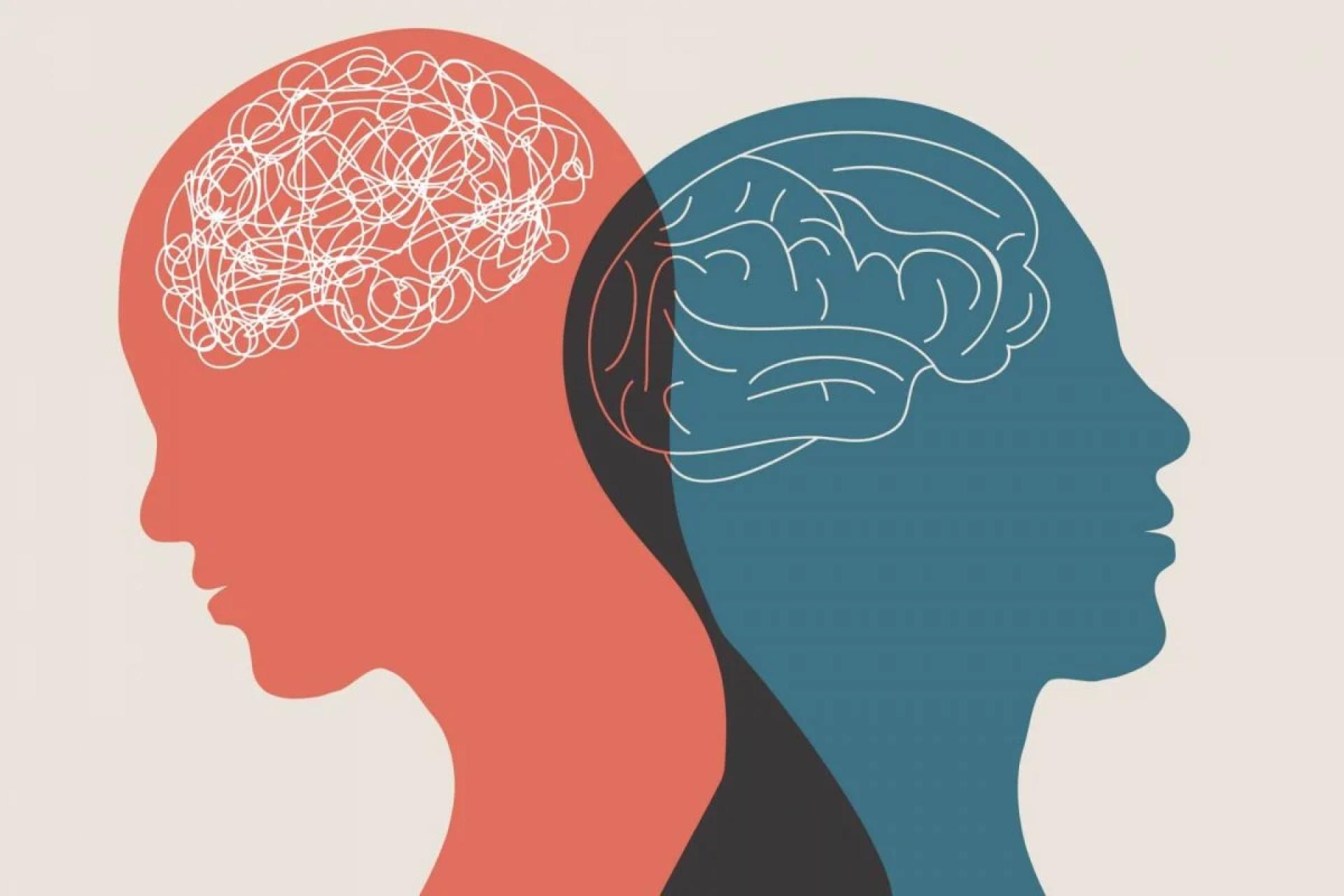
Dual Diagnosis refers to a person having both a substance use disorder (SUD) and a mental health disorder at the same time. For example, someone might struggle with alcohol addiction and also have anxiety or bipolar disorder.
According to the Substance Abuse and Mental Health Services Administration (SAMHSA), about 9.2 million adults in the U.S. experienced both mental illness and substance use disorder in 2021.
These two issues can influence each other. Someone might start using drugs to cope with depression or, in some cases, drug use can lead to mental health problems.
That’s why treating only one condition without addressing the other often leads to short-term success and long-term struggles.
Why Treating Both at the Same Time Is Important
Many people get treatment for addiction but leave mental health issues untreated—or vice versa. This usually leads to relapse or worsening symptoms. Integrated treatment works better because it handles both issues together.
Here’s why this approach is necessary:
- Substance use can mask or worsen mental health symptoms.
- Mental health conditions can trigger substance cravings or relapse.
- Ignoring either condition creates an incomplete recovery plan.
By addressing both at once, dual diagnosis treatment gives a person the best chance for long-term recovery.
Signs of a Dual Diagnosis
It’s not always easy to tell if someone has a dual diagnosis. Addiction can hide symptoms of mental illness, and mental illness can make it harder to recognize the impact of substance use.
Some common signs include:
- Using drugs or alcohol to deal with stress, anxiety, or sadness
- Sudden mood swings, irritability, or confusion
- Trouble at work, school, or in relationships
- Withdrawal from friends or hobbies
- Feeling hopeless, paranoid, or extremely anxious even when sober
If these symptoms appear alongside substance use, it might be time to explore dual diagnosis treatment.
What Does Dual Diagnosis Treatment Look Like?
Treating dual diagnosis isn’t about treating addiction first and mental health later—or the other way around. The key is doing both at the same time. This is called integrated treatment.
Here’s what that typically includes:
1. Comprehensive Assessment
The first step is a full evaluation by medical and mental health professionals. This helps identify both conditions clearly and design a treatment plan that covers all needs.
2. Medication-Assisted Treatment (MAT)
For some people, medications can help manage both addiction and mental health symptoms. For example:
- Buprenorphine or methadone for opioid addiction
- Antidepressants for depression or anxiety
- Mood stabilizers for bipolar disorder
Doctors monitor these medications closely to ensure they support both parts of the recovery process safely. Learn more
3. Therapy That Covers Both Areas
Different types of therapy can help people manage thoughts, feelings, and behaviors tied to both substance use and mental health. Some common approaches include:
- Cognitive Behavioral Therapy (CBT): Helps challenge negative thoughts and build healthier habits.
- Dialectical Behavior Therapy (DBT): Teaches skills for emotional regulation, mindfulness, and stress management.
- Trauma-Informed Therapy: Supports people with PTSD or other trauma-related disorders.
These therapies are often delivered in both individual and group formats, depending on the person’s needs.
4. Peer Support and 12-Step Programs
Support groups like Dual Recovery Anonymous (DRA) or other 12-step programs give people a place to share and connect with others facing similar challenges. These groups can offer long-term motivation and emotional support outside of clinical settings.
5. Case Management and Life Skills Training
Recovery isn’t only about stopping substance use. It also involves learning how to manage daily life. Many dual diagnosis programs include:
- Job readiness training
- Relationship counseling
- Help with housing or legal issues
- Education planning
These services help reduce stress and improve stability, which supports mental health and recovery.
Inpatient vs. Outpatient Treatment for Dual Diagnosis
Choosing between inpatient and outpatient care depends on how severe the symptoms are and how much daily support a person needs.
Inpatient treatment means living at the facility for a set period, which is often best for:
- Severe addiction or mental health symptoms
- People with unstable home environments
- Those at risk for self-harm or relapse
Outpatient treatment lets people live at home while attending regular sessions, which can work well for:
- Milder symptoms
- People with strong social support
- Those who’ve completed inpatient care and need continued help
Many recovery centers in California and beyond offer both options, often starting with inpatient care and transitioning to outpatient support.
Relapse Prevention and Long-Term Support
Dual diagnosis recovery is not a quick fix. It requires long-term care and planning. After treatment ends, people need support to stay well and avoid relapse.
Key tools for long-term success include:
- Regular follow-up therapy
- Continued use of prescribed medications
- Involvement in support groups
- Healthy routines (sleep, nutrition, exercise)
- Ongoing family education and involvement
Creating a relapse prevention plan that addresses both mental health and addiction is crucial. This plan should include warning signs to watch for and steps to take if symptoms return.
Final Thoughts: Healing Both Mind and Body
Recovering from addiction is hard enough. When mental health challenges are also present, the journey can feel even more difficult—but it’s not impossible. With the right support, people can heal both mentally and physically.
Dual diagnosis treatment works because it doesn’t treat symptoms in isolation. It sees the whole person. By addressing addiction and mental health together, individuals can build stronger foundations for long-term recovery, stability, and hope.
If you or someone you know may be facing both mental health issues and addiction, consider reaching out to a treatment center that offers integrated dual diagnosis care.