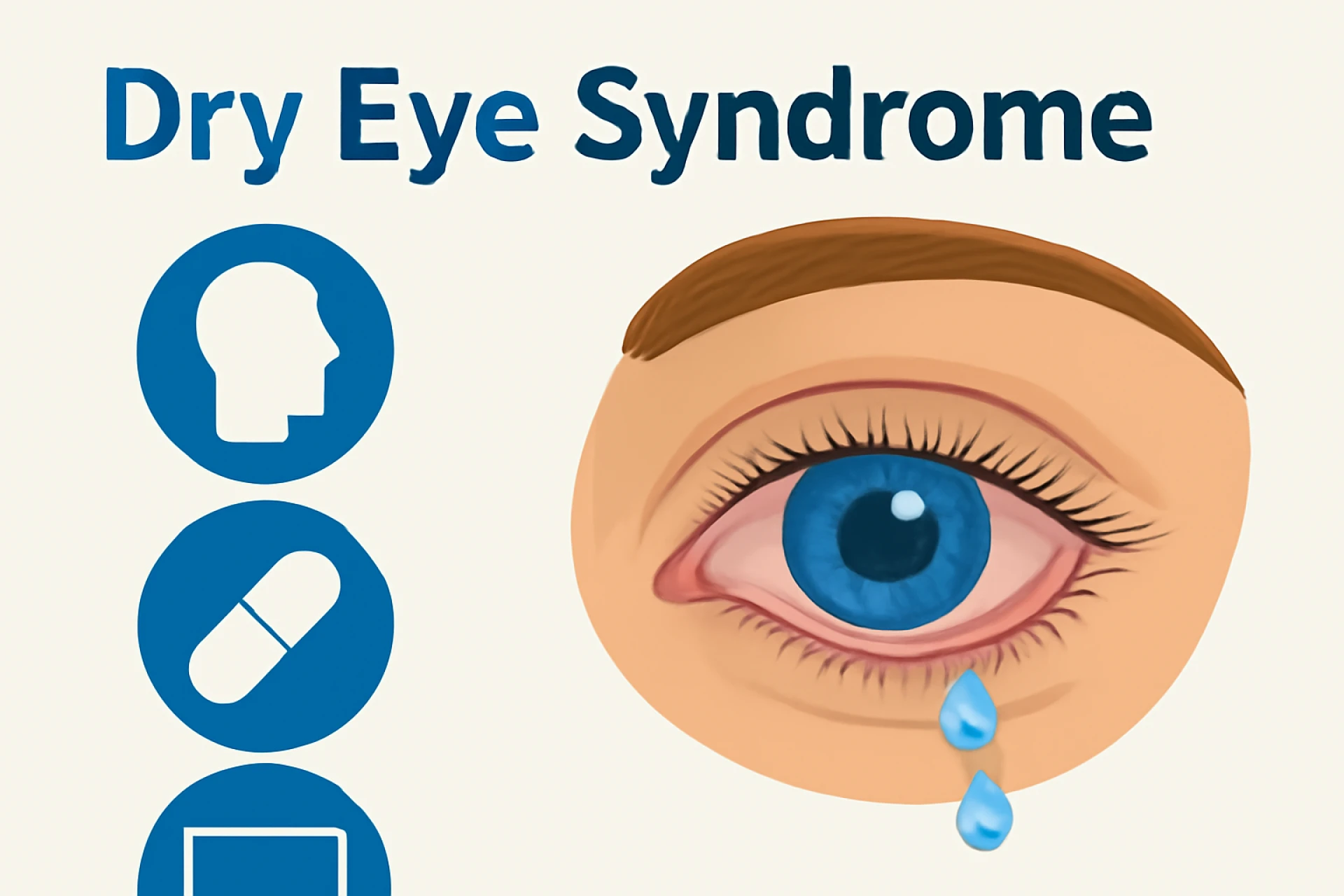
What is Dry Eye Syndrome?
Dry eye occurs when the eyes don’t receive enough natural moisture to stay comfortable and protected. This happens either because the eyes don’t produce enough tears or the tears evaporate too quickly. Tears are not just water; they are a delicate mixture of oils, mucus, and antibodies that keep the eyes healthy and comfortable. When this balance is disrupted, irritation and blurred vision can follow.
People in Potters Bar, like elsewhere in the UK, may notice the effects more during certain seasons. For example, cold winters with central heating or pollen-heavy springs can both worsen dryness. Many people turn to Vision Clinics Potters Bar for guidance and support in managing these seasonal triggers and maintaining long-term eye comfort.
Main Causes of Dry Eye
Several factors can contribute to dry eye. Understanding these can help individuals identify and manage triggers effectively:
· Ageing – As we get older, the glands that produce tears often slow down, leading to reduced lubrication.
· Screen time – Using digital devices reduces blinking, which speeds up tear evaporation.
· Environmental triggers – Air-conditioned rooms, windy weather, and central heating are common culprits.
· Medical conditions – Diabetes, thyroid disorders, and autoimmune diseases such as rheumatoid arthritis can contribute.
· Medication side effects – Certain blood pressure tablets, antidepressants, or antihistamines can reduce tear flow.
· Contact lens use – Daily or monthly eye contacts can sometimes make eyes feel dry if worn for long periods.
· Hormonal fluctuations – Shifts during pregnancy, menopause, or while taking birth control can influence tear balance and trigger dryness.
Recognising the Symptoms of Dry Eye
Dry eye syndrome does not affect everyone in the same way, but some of the most reported symptoms include:
· Burning or stinging sensation in the eyes
· A scratchy, gritty feeling as though something is in the eye
· Sensitivity to light (photophobia)
· Tired eyes, particularly after screen use
· Intermittent blurred or fluctuating vision
· Redness and irritation
· Difficulty wearing contact lenses comfortably
· Reflex tearing (eyes watering excessively due to irritation)
These symptoms may be mild at first but can worsen over time if left untreated.
The Role of Tear Film in Eye Comfort
To understand dry eye better, it’s useful to know how the tear film works. The tear film has three layers:
· Oil layer – Prevents evaporation.
· Water layer – Keeps the eyes hydrated.
· Mucus layer – Spreads tears evenly across the cornea.
If the tear film becomes unstable or one of its layers is out of balance, the eyes may feel irritated, gritty, or unusually dry. One frequent culprit is meibomian gland dysfunction, where the eyelid’s oil glands become blocked and prevent stable tears.
Diagnosis: How Dry Eye Identified
Eye doctors may carry out different tests to identify what’s causing dryness and how severe the condition is:
· Slit-lamp examination – Allows the surface of the eye to be checked under magnification.
· Tear breakup time (TBUT) – Measures how quickly tears evaporate.
· Schirmer’s test – A small strip of paper is used to measure tear production.
· Dye tests – Special dyes highlight dry spots on the cornea.
· Meibomian gland evaluation – Determines whether the eyelid oil glands are working as they should.
A tailored treatment plan is then recommended depending on the results.
Effective Treatment Options for Dry Eye
Fortunately, there are several strategies to relieve dry eye.
Lifestyle and Self-care Adjustments
· Blink consciously during screen time to maintain moisture.
· Take regular breaks when reading or using computers.
· Use humidifiers indoors to improve air quality.
· Stay hydrated by drinking enough water daily.
· Protect your eyes outdoors with wraparound sunglasses.
Over-the-counter Remedies
· Artificial tears and lubricating eye drops help restore comfort.
· Eye gels or ointments provide longer-lasting relief overnight.
Medical Treatments
· Prescription eye drops to reduce inflammation.
· Medications that stimulate tear production.
· Short courses of steroid drops for flare-ups.
Advanced Procedures
· Punctal plugs – Small inserts placed in the tear ducts to reduce tear loss and help maintain eye moisture.
· Light or heat-based therapies to unblock meibomian glands.
· Specialised contact lenses, such as scleral lenses, that protect the cornea and retain a moisture layer.
Living with Dry Eye in Potters Bar
Local factors in Potters Bar—such as indoor heating during winter or high pollen counts in spring—can make dry eye symptoms more noticeable. Cold winters often mean more indoor heating, while summers bring higher pollen counts. Both can irritate already sensitive eyes.
Simple preventive steps include:
· Keeping eyelids clean and free from debris can help reduce blockages in the glands and ease dryness.
· Using preservative-free eye drops for long-term relief.
· Adding omega-3 rich foods—such as oily fish, flaxseed, or walnuts—may improve tear quality and reduce irritation.
When to Seek Professional Advice
Occasional dryness is common, but if symptoms are persistent or worsening, it’s important to seek professional assessment. When left unmanaged, dry eye may raise the chance of recurring infections and, in more advanced cases, harm the corneal surface.
An eye specialist can tailor treatment to your needs, ensuring your eyes remain comfortable and your vision stays clear.
Living with Dry Eye in Potters Bar
Managing dry eye is not only about treatment but also prevention. Simple daily adjustments such as staying hydrated, maintaining good eyelid hygiene, and balancing screen use can make a significant difference.
For residents of Potters Bar, where changing seasons and environmental conditions can worsen symptoms, being proactive about eye health is key. By understanding the causes and recognising the signs early, individuals can protect their vision and improve comfort in daily life.