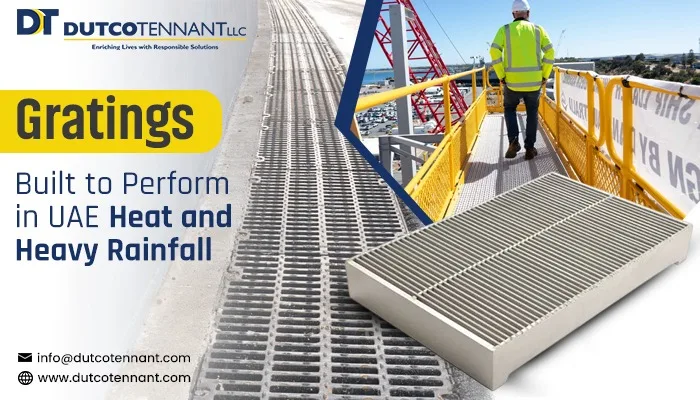
The UAE’s climate creates unique challenges for drainage infrastructure and urban development. While the region experiences long periods of extreme heat and dry conditions, sudden rainfall events can lead to severe flash flooding within a short period of time. Roads, industrial zones, commercial buildings, ports, and public infrastructure all require efficient drainage systems capable of handling both high temperatures and rapid stormwater flow.
As infrastructure development continues expanding throughout the region, the demand for durable and high-performance drainage systems has increased significantly. One of the most important components used in modern drainage infrastructure is industrial steel floor gratings. These systems help improve water flow management, surface safety, equipment protection, and long-term operational reliability across demanding environments.
Today, floor grating systems are widely used in industrial facilities, airports, marine infrastructure, transportation projects, commercial buildings, and utility networks. Modern grating solutions are designed to withstand harsh environmental conditions while supporting efficient drainage performance.
Proper drainage planning plays a critical role in protecting infrastructure from flooding, water accumulation, corrosion, and operational disruption caused by extreme climate conditions.
Climate Challenges Affecting Drainage Infrastructure
Drainage systems in the UAE must perform under a combination of environmental and operational stresses.
Flash Flooding
Heavy rainfall events can quickly overwhelm poorly designed drainage systems.
Flash flooding may result in:
- Water accumulation
- Road closures
- Property damage
- Traffic disruption
- Safety hazards
- Equipment failure
Efficient floor grating systems help channel stormwater away from critical areas while improving drainage flow capacity.
Extreme Heat Exposure
Continuous heat and UV exposure can affect infrastructure materials over time.
Drainage systems must withstand:
- High surface temperatures
- Thermal expansion
- Sun exposure
- Corrosive environmental conditions
High-quality industrial steel floor gratings are designed to maintain strength and durability under extreme temperature conditions.
Sand and Dust Accumulation
Sand and airborne dust can block drainage openings and reduce system efficiency.
Proper grating design helps maintain water flow while reducing blockage risks.
Coastal Corrosion Conditions
Marine and coastal infrastructure environments are exposed to:
- Saltwater
- Humidity
- Moisture
- Chemical exposure
Materials such as grating stainless and aluminium grating systems are commonly selected for corrosion resistance in these demanding environments.
Importance of Effective Drainage Systems
Reliable drainage infrastructure is essential for protecting urban and industrial environments.
Modern drainage systems help:
- Prevent flooding
- Improve pedestrian safety
- Protect underground utilities
- Reduce standing water
- Improve operational reliability
- Extend infrastructure lifespan
Heavy duty grating cover systems are often used in high-traffic areas where durability and drainage efficiency are critical.
Role of Industrial Steel Floor Gratings in Drainage Solutions
Industrial steel floor gratings are engineered grid structures designed to support loads while allowing water and debris to pass through efficiently.
These systems are commonly installed in:
- Stormwater drainage channels
- Industrial flooring systems
- Utility trenches
- Mechanical service areas
- Marine platforms
- Public walkways
- Access platforms
The open-grid structure helps improve drainage performance while maintaining safe operational surfaces.
Types of Grating Systems Used in Drainage Infrastructure
Different infrastructure environments require different grating solutions depending on load conditions, environmental exposure, and safety requirements.
Mild Steel Gratings
Mild steel gratings are widely used because of their strength and cost-effectiveness.
Common applications include:
- Industrial plants
- Utility corridors
- Drainage trenches
- Service platforms
Mild Steel Heavy Duty Grating systems are suitable for applications exposed to high operational loads.
Stainless Steel Floor Gratings
Stainless steel floor gratings provide strong corrosion resistance and long-term durability.
These systems are commonly used in:
- Marine infrastructure
- Wastewater facilities
- Food processing plants
- Coastal developments
Grating stainless solutions are ideal for environments exposed to moisture and chemical contact.
Aluminium Grating Systems
Aluminium grating systems are lightweight, corrosion-resistant, and suitable for outdoor infrastructure applications.
Common uses include:
- Aluminium walkway gratings
- Rooftop drainage systems
- Access platforms
- Catwalk structures
Aluminum facade catwalk grating systems are commonly used in commercial and industrial buildings where lightweight access solutions are required.
Serrated Steel Grating
Serrated steel grating features anti-slip surfaces that improve safety in wet environments.
These systems are commonly installed in:
- Outdoor walkways
- Industrial drainage zones
- Marine platforms
- Utility access areas
Anti skid grating solutions help improve worker and pedestrian safety during wet conditions.
Heelproof Grating Systems
Heelproof grating designs improve pedestrian comfort and safety by reducing large surface openings.
These systems are often used in:
- Public walkways
- Commercial developments
- Airports
- Retail spaces
Importance of Heavy Duty Grating Systems
Drainage infrastructure in industrial and commercial environments is frequently exposed to heavy operational loads.
Heavy duty grating systems are designed to support:
- Maintenance vehicles
- Industrial machinery
- Pedestrian traffic
- Equipment movement
- Service operations
Heavy duty metal gratings are commonly used in:
- Ports
- Airports
- Industrial facilities
- Transportation infrastructure
- Utility service areas
Properly designed floor grating systems improve structural safety and long-term performance.
Applications of Floor Grating Systems
Industrial steel floor gratings are widely used across multiple sectors requiring efficient drainage and safe access systems.
Airports
Airports require high-capacity drainage systems capable of handling both heavy rainfall and constant operational traffic.
Heavy duty grating cover systems help maintain efficient water flow in terminals, maintenance zones, and service areas.
Marine and Port Infrastructure
Marine facilities require corrosion-resistant drainage systems capable of performing under continuous moisture exposure.
Stainless steel grating suppliers often provide specialized grating systems for:
- Ports
- Docks
- Shipyards
- Offshore platforms
Commercial Buildings
Commercial developments use floor grating systems for:
- Basement drainage
- Parking structures
- Rooftop drainage
- Mechanical service areas
Industrial Facilities
Industrial plants rely on steel grating systems for drainage, ventilation, and safe equipment access.
Urban Landscaping and Public Spaces
Tree grating systems are commonly installed in landscaped urban environments to protect root zones while maintaining pedestrian access and surface drainage.
Many infrastructure and commercial projects work with experienced grating supplier companies to develop customized drainage solutions suited for demanding environmental conditions.
Benefits of Modern Drainage Grating Systems
Modern drainage grating systems provide several operational advantages.
Improved Water Flow
Open-grid designs improve stormwater drainage efficiency and reduce flooding risks.
Corrosion Resistance
Materials such as stainless steel and aluminum grating improve long-term durability.
Enhanced Safety
Anti skid grating and serrated steel grating systems improve slip resistance.
High Load Capacity
Heavy duty grating systems support demanding industrial and infrastructure operations.
Better Ventilation
Open grating structures improve airflow around underground systems and service areas.
Reduced Maintenance
Properly designed floor grating systems help reduce blockage and simplify maintenance activities.
Factors to Consider When Selecting Grating Systems
Selecting the correct drainage grating depends on several important factors.
Load Conditions
Traffic and equipment loads determine required grating strength.
Environmental Exposure
Corrosion resistance is important in coastal and industrial environments.
Drainage Capacity
The grating system must support expected water flow during heavy rainfall.
Safety Requirements
Slip resistance and heelproof designs improve pedestrian protection.
Material Selection
Different applications may require:
- Mild steel gratings
- Stainless steel floor gratings
- Aluminium grating systems
Maintenance Accessibility
Removable systems simplify cleaning and inspection operations.
Proper grating selection improves drainage efficiency and infrastructure reliability.
Importance of Corrosion-Resistant Drainage Materials
Harsh environmental exposure can accelerate infrastructure deterioration over time.
Drainage systems exposed to:
- Saltwater
- Humidity
- Chemicals
- Sand abrasion
- High temperatures
require durable materials and protective finishes.
Grating stainless and aluminum grating systems are commonly used where long-term corrosion resistance is essential.
Companies such as Dutco Tennant LLC supply drainage and grating solutions designed for demanding industrial, marine, and infrastructure applications.
Future Trends in Drainage Infrastructure
Infrastructure development increasingly focuses on resilience, sustainability, and climate adaptation.
Smart Drainage Systems
Modern drainage networks increasingly incorporate monitoring technologies for flood management and maintenance planning.
Sustainable Infrastructure Design
Urban developments continue prioritizing climate-resilient drainage systems capable of handling extreme weather events.
Advanced Material Technologies
New grating materials and protective coatings continue improving durability and corrosion resistance.
Integrated Urban Water Management
Modern infrastructure planning increasingly combines drainage, flood prevention, and sustainable water management strategies.
As environmental conditions continue challenging urban infrastructure systems, advanced floor grating and drainage technologies will remain essential for reliable long-term infrastructure performance.
Conclusion
Effective drainage systems are essential for managing flash flooding, heat exposure, and environmental stress in modern infrastructure environments. Industrial steel floor gratings play a major role in supporting safe water flow management, infrastructure protection, and operational reliability across commercial, industrial, and public applications.
Solutions such as mild steel gratings, stainless steel floor gratings, aluminium walkway gratings, serrated steel grating systems, and heavy duty grating cover solutions help improve drainage efficiency while supporting long-term durability under demanding climate conditions.
As infrastructure projects continue prioritizing resilience and environmental performance, advanced floor grating and drainage systems will remain critical components of sustainable urban and industrial development.