
Every writer knows that creating a compelling story takes more than just plot twists and poetic prose—it’s about breathing life into your characters. Yet, many writers stop at the surface, defining only what’s necessary for the story. What if you went deeper? What if you explored the tiny, unseen details that never make it to the page but shape who your characters truly are?
That’s where headcanons come in—those imaginative “what-if” details that give your characters a hidden heartbeat. Whether you’re working on a novel, fanfiction, screenplay, or roleplay story, developing character headcanons can increase business visibility for your creative brand, build reader loyalty, and transform your storytelling from good to unforgettable.
What Exactly Is a Headcanon?
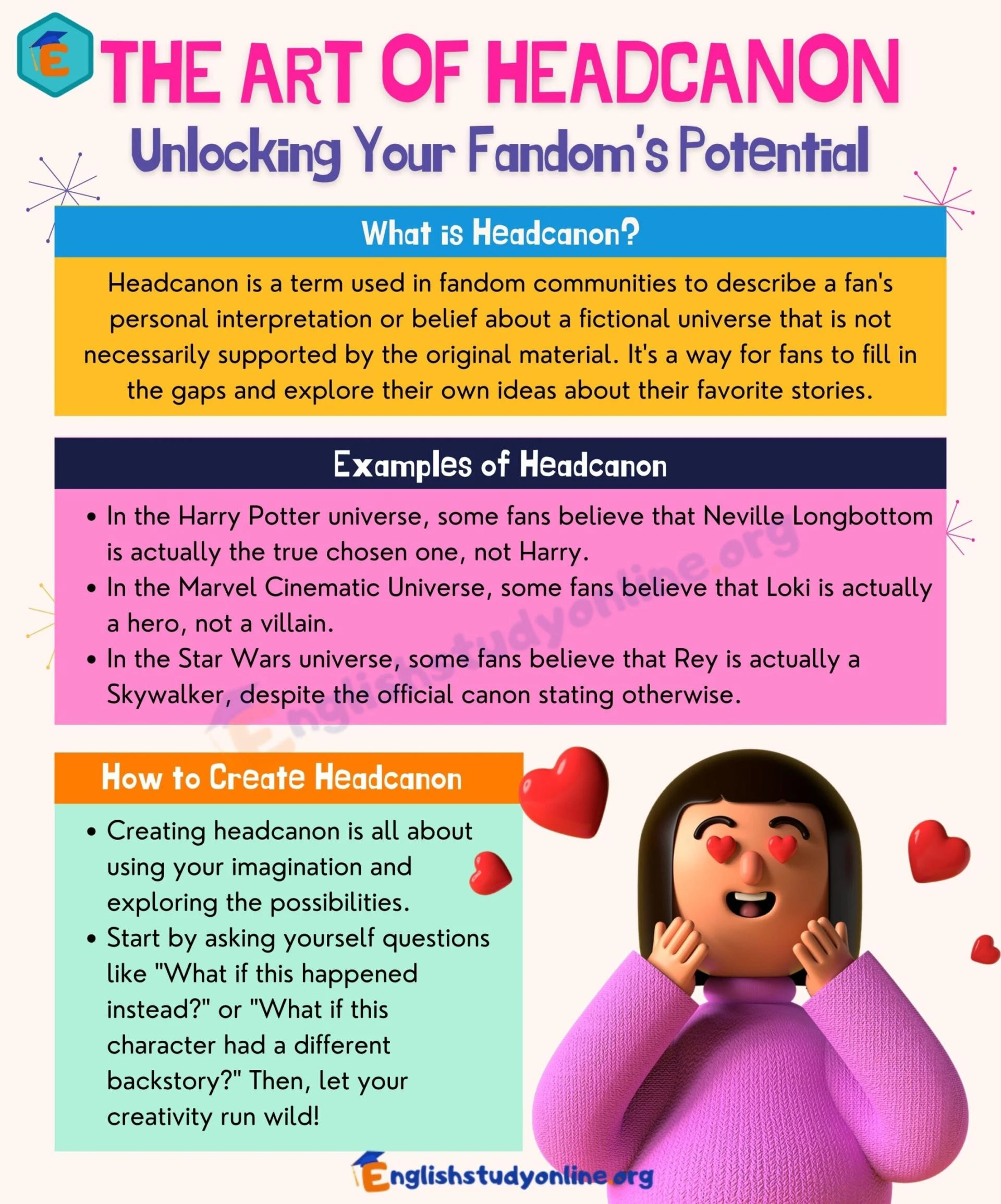
A headcanon is an unofficial belief or theory about a character that isn’t explicitly confirmed in the story. It’s what fans, and often writers themselves, use to fill in the gaps. For example, maybe your detective protagonist has a secret fear of thunderstorms, or your fantasy hero collects pressed flowers in their journal. These aren’t plot points—they’re emotional anchors.
In professional writing circles, headcanons can feel like trivia. But for skilled writers, they’re storytelling gold. They give you a deeper grasp of motivation, emotion, and authenticity—things your readers feel even if you never spell them out.
Why Writers Should Care About Headcanons
1. They Make Characters Feel Real
Readers connect with authenticity. Headcanons create that illusion of a full, lived life behind your story. When a character acts a certain way, your audience can sense there’s a reason—because there is one. Maybe it’s never stated on the page, but your understanding of those hidden layers shapes dialogue, body language, and tone.
It’s like meeting a person with a rich backstory; even if they don’t tell you everything, you know it’s there. That’s what a strong character feels like.
2. They Improve Consistency in Writing
When writers struggle with inconsistent character behavior, it’s usually because they haven’t built out the “why.” Headcanons fix that. If you know your character’s small habits, beliefs, and quirks, you’re less likely to write them acting out of character.
For example, if your headcanon is that your villain secretly respects strong opponents, they won’t act petty in a fight scene—they’ll act calculated and strategic. Headcanons become your internal compass for consistency.
3. They Deepen Emotional Connection
Readers love discovering layers. When you write from a place of emotional truth, readers pick up on it. Maybe your character always wears blue because it reminds them of someone they lost. That kind of subtle emotional storytelling hits harder than exposition.
These “what-if” details create texture and resonance. They invite readers to wonder about the unseen parts of your world—and that’s where loyalty is born.
4. They Make the Writing Process More Fun
Writing can feel mechanical at times. Developing headcanons reignites creativity. You get to play, explore, and ask endless questions:
- What’s their favorite meal when they’re sad?
- How do they react to birthdays?
- What’s one thing they’d never admit?
If you ever feel stuck, headcanons can help break writer’s block by offering new angles and emotional insight. Tools like a Character Headcanon Generator can even spark unexpected ideas, letting you experiment with quirky, meaningful traits that make your characters unforgettable.
The “What-If” Power: Turning Details Into Depth
Let’s say you’re writing a sci-fi pilot with a stoic spaceship captain. You know their mission, their crew, and their enemies—but what about the person underneath the uniform?
Ask yourself:
- What if they secretly collect antique Earth postcards?
- What if they’re allergic to the ship’s cleaning spray but never tell anyone?
- What if they hum lullabies from a forgotten homeworld when they’re nervous?
These are small details, but each one adds vulnerability, humanity, and realism. Suddenly, your captain isn’t just a leader—they’re a living, breathing person. That’s the power of headcanons: they transform archetypes into individuals.
How to Create Powerful Headcanons
Here’s a simple, actionable process for developing meaningful headcanons that elevate your writing:
Step 1: Start With the Core Personality
Define your character’s basic traits—are they logical or emotional? Confident or cautious? This foundation helps you build headcanons that make sense. A cautious character might double-check locks before sleeping, while a confident one might forget where they parked their hovercar.
Step 2: Ask “Why” Until It Hurts
Once you list a trait, ask why it exists. For example:
- Trait: Always polite to strangers.
- Why? They grew up in a strict household where manners equaled safety.
That’s how a headcanon becomes emotionally grounded.
Step 3: Blend the Mundane and the Meaningful
Mix light, quirky habits (like drinking tea from mismatched mugs) with heavier ones (like a fear of losing control). The contrast adds realism.
Step 4: Write Scenes With Those Headcanons in Mind
Even if the details never appear in dialogue, they shape tone and choice. Your character’s inner world subtly colors their every action.
Step 5: Use Tools for Inspiration
If you’re ever stuck, try using creative prompts or a Character Headcanon Generator. These tools spark new possibilities and help you think beyond clichés. You can take generated ideas as springboards, adapting them into deeply personal traits for your characters.
How Headcanons Help Writers Build a Loyal Readership
Here’s a powerful truth: readers remember characters, not plots.
When your characters feel real, readers form emotional attachments—and that’s what keeps them coming back for more books, stories, or scripts. If you’re an indie author or a storyteller trying to increase business visibility for your writing brand, this emotional connection is your secret marketing weapon.
Authentic characters encourage:
- Fan discussions and theories (which create organic buzz).
- Reader loyalty and repeat engagement.
- Stronger reviews and recommendations.
In the modern writing world, emotional storytelling is what helps your creative voice stand out online. Just like SEO experts optimize content for search engines, writers optimize characters for reader hearts.
Headcanons in the Age of AI and Digital Storytelling
In today’s creative ecosystem, where AI tools can generate dialogue and plot twists in seconds, the human element matters more than ever. Anyone can write a story—but only you can give it soul.
Developing headcanons ensures your characters carry emotional fingerprints that no algorithm can replicate. Readers crave personality and imperfection—things that emerge naturally when you dive into your characters’ secret details.
So, while technology can assist with structure, your imagination remains the ultimate differentiator.
Common Mistakes Writers Make With Headcanons
Even though headcanons are powerful, there are a few traps to avoid:
- Overcomplicating: Too many unnecessary details can clutter your story. Choose the ones that matter emotionally.
- Inconsistency: A headcanon should align with established character traits.
- Forcing it into dialogue: Not every detail needs to be stated—subtlety builds intrigue.
- Ignoring growth: Headcanons can evolve as your characters do. Let them change over time.
Think of headcanons as a secret script behind the script—guiding, not overshadowing.
Final Thoughts: What-if Is the Writer’s Superpower
Every great story begins with a “what if.” Headcanons are just smaller versions of that same spark—personalized, emotional “what-ifs” that make your characters truly human.
When you embrace headcanons, you’re not just writing stories; you’re creating living worlds. Whether you jot them down in a notebook, explore them in fan communities, or use creative tools like a Character Headcanon Generator, these invisible details give your storytelling soul.
And here’s the best part—when readers fall in love with your characters, your stories naturally increase business visibility in the crowded creative marketplace. Because in the end, authenticity sells—and imagination sustains it.
FAQs
1. What’s the difference between a headcanon and backstory?
A backstory is official—it’s what’s confirmed in your narrative. A headcanon is speculative or personal, used by writers (or fans) to add unseen depth that isn’t directly stated but influences behavior and emotion.
2. How can headcanons help me overcome writer’s block?
Headcanons offer new angles on familiar characters. When you’re stuck, exploring your character’s small quirks or fears can unlock emotional momentum and inspire new scenes or conflicts.
3. Are headcanons only for fanfiction writers?
Not at all! While headcanons are popular in fandom spaces, professional authors, screenwriters, and RPG creators all use them. They’re a creative exercise that enhances realism and engagement in any storytelling medium.