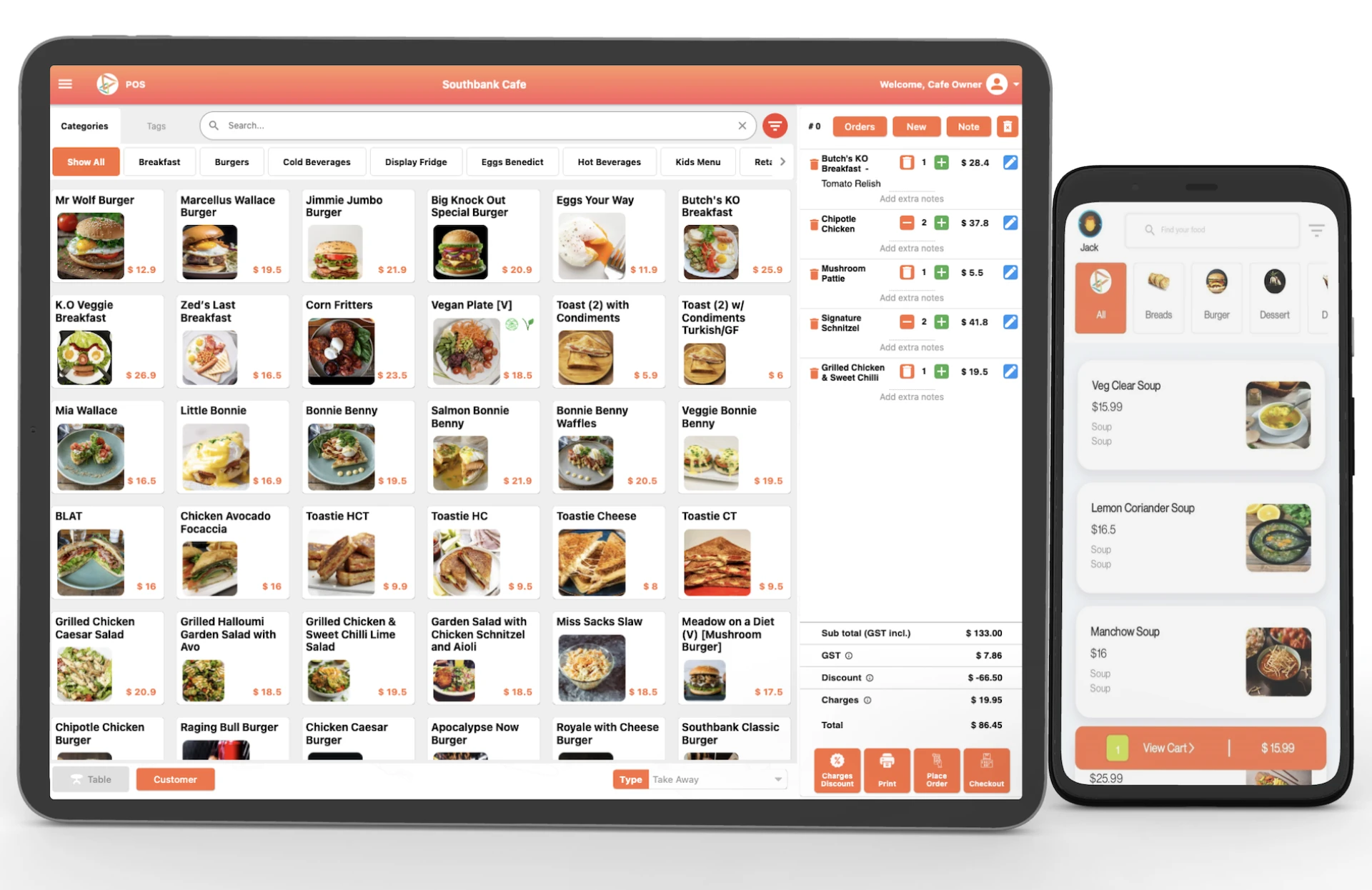
Running a successful restaurant in Queensland’s fast-paced hospitality industry isn’t just about great food and friendly service—it’s also about managing operations efficiently. One of the most powerful tools that can help restaurants thrive financially is a modern Point of Sale (POS) system. These systems go far beyond processing payments—they help reduce operational costs, increase productivity, and ultimately improve the bottom line. Here are five key ways a modern POS system can help Queensland restaurants save money:
1. Reduces Human Errors and Wastage
Manual order-taking often leads to mistakes—especially during peak hours. Errors in the kitchen due to miscommunication or illegible handwriting can cost restaurants thousands annually. A modern POS system allows staff to enter orders digitally, ensuring they go directly to the kitchen display system (KDS) or printers with complete accuracy. This reduces the risk of costly errors, food wastage, and unhappy customers.
2. Optimises Inventory Management
One of the hidden costs in restaurant operations is poor inventory control. Over-ordering, expired ingredients, and stock shortages can all eat into profits. A good POS system includes real-time inventory tracking, automatically deducting items as they’re used in orders. It also alerts managers when stock is low, making it easier to plan orders and avoid unnecessary expenses or emergency purchases.
3. Improves Labour Efficiency
Labour is one of the biggest expenses for restaurants. A modern POS system helps Queensland restaurant owners track employee hours, manage schedules, and identify peak hours to optimise staff allocation. This data helps reduce overstaffing during slow periods and ensures the right number of staff are available when it’s busy—without unnecessary labour costs.
4. Streamlines Reporting and Reduces Accounting Costs
Many restaurants spend a fortune on bookkeeping and financial management. A modern POS system generates automatic, detailed sales reports, expense summaries, and tax-ready documents. This minimises the need for manual data entry and lowers the costs associated with accounting services. Plus, it offers real-time financial visibility so owners can make informed business decisions faster.
5. Increases Table Turnover and Customer Spend
Speed and convenience improve customer satisfaction and revenue. A smart POS system supports features like tableside ordering, split bills, and QR code menus, allowing customers to order and pay faster. This reduces wait times, increases table turnover, and encourages repeat visits. Some systems even integrate with loyalty programmes and targeted promotions, encouraging higher spending per customer—without additional marketing spend.
In Queensland’s competitive hospitality market, every dollar counts. Investing in a modern restaurant POS system isn’t just a tech upgrade—it’s a smart financial move. From cutting down on errors and food waste to optimising labour and speeding up service, these systems help restaurant owners lower their costs while delivering better service to customers.
If you're a Queensland restaurant owner looking to streamline your operations and improve profitability, upgrading your POS system could be the most impactful step you take this year.