
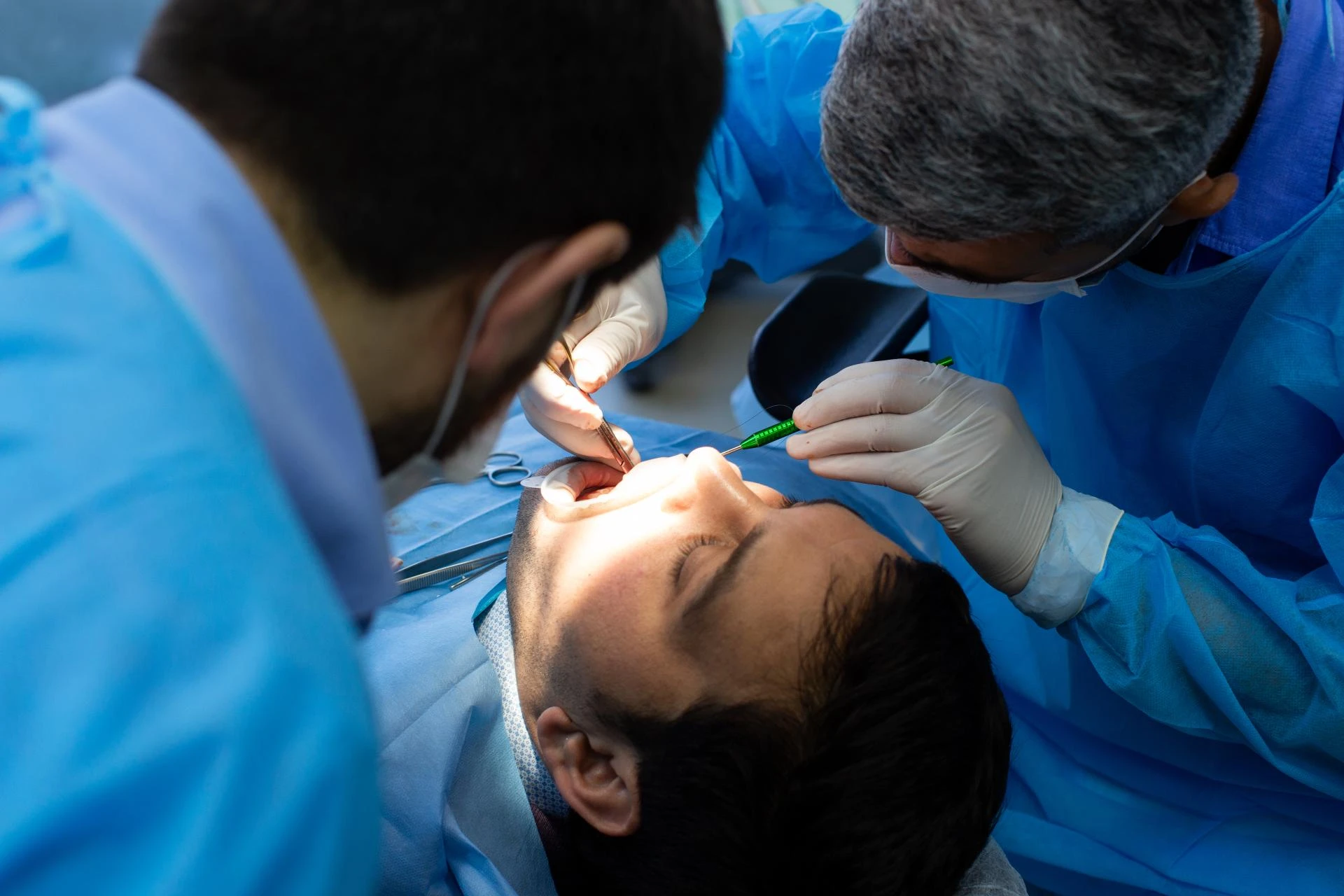
Dental emergencies can happen at any time—often when you least expect them. Whether it’s a sudden toothache, a broken tooth, or an injury to the mouth, knowing how emergency dentist services work can make a big difference in protecting your oral health and reducing pain quickly.
In this guide, we’ll cover everything you need to know about emergency dental care, when to seek help, and what to expect during treatment.
What Is An Emergency Dentist?
An emergency dentist is a dental professional who provides immediate care for urgent oral health issues that require prompt attention. Unlike routine dental visits, emergency services are designed to address problems that cannot wait for a scheduled appointment.
These dentists are equipped to handle pain relief, trauma, infections, and other critical dental conditions, often offering same-day or after-hours appointments.
Common Dental Emergencies
Understanding what qualifies as a dental emergency can help you act quickly and avoid complications.
Some of the most common dental emergencies include:
- Severe toothache: Persistent or intense pain may indicate infection or decay.
- Knocked-out tooth: Immediate care is crucial to save the tooth.
- Broken or chipped tooth: Can cause pain and increase the risk of infection.
- Lost filling or crown: Leaves the tooth exposed and sensitive.
- Abscess or infection: Swelling, pus, or fever may signal a serious issue.
- Bleeding gums or injury: Especially after trauma or an accident.
If you experience any of these issues, it’s important to seek emergency dental care as soon as possible.
When Should You See An Emergency Dentist?
Not all dental problems require urgent care, but some symptoms should never be ignored.
You should contact an emergency dentist if you have:
- Severe, unmanageable pain
- Swelling in the face or gums
- Signs of infection (fever, bad taste, pus)
- Trauma to the teeth or jaw
- A loose or knocked-out tooth
Delaying treatment can lead to more serious complications, including permanent damage or tooth loss.
What To Do Before You Reach The Dentist
Taking the right steps immediately after a dental emergency can improve the outcome of your treatment.
Here are some quick tips:
- For a knocked-out tooth: Keep it moist in milk or saliva and avoid touching the root.
- For a toothache: Rinse your mouth with warm salt water and avoid very hot or cold foods.
- For swelling: Apply a cold compress to reduce inflammation.
- For bleeding: Use clean gauze and apply gentle pressure.
These temporary measures can help manage the situation until you receive professional care.
What To Expect During An Emergency Visit
During an emergency dental appointment, the dentist’s main goal is to relieve pain and stabilize your condition.
The process typically includes:
- Assessment: Examination of the affected area and possibly X-rays
- Diagnosis: Identifying the cause of the problem
- Immediate treatment: Pain relief, temporary repair, or infection control
- Follow-up plan: Scheduling further treatment if needed
Depending on the issue, the dentist may perform procedures such as root canals, extractions, or temporary restorations.
Cost Of Emergency Dental Services
Emergency dental care can vary in cost depending on the severity of the issue and the treatment required.
Factors that affect cost include:
- Type of procedure
- Time of service (after-hours may cost more)
- Location and clinic
While emergency services may seem expensive, delaying treatment can lead to more complex and costly procedures later.
How To Prevent Dental Emergencies
While not all emergencies can be avoided, many can be prevented with proper care and precautions.
Here are some preventive tips:
- Maintain good oral hygiene (brushing and flossing daily)
- Visit your dentist regularly for check-ups
- Wear a mouthguard during sports activities
- Avoid chewing hard objects like ice or pens
- Address minor dental issues before they worsen
Prevention is always better than dealing with sudden dental pain or injury.
Importance Of Quick Action
In dental emergencies, time is critical. Acting quickly can mean the difference between saving and losing a tooth.
For example:
- A knocked-out tooth has the best chance of being saved if treated within an hour
- Early treatment of infections can prevent them from spreading
- Prompt care reduces pain and speeds up recovery
Knowing when and how to act ensures you get the best possible outcome.
Choosing The Right Emergency Dentist
When selecting an emergency dentist, consider the following:
- Availability (24/7 or after-hours services)
- Experience in handling emergencies
- Location and accessibility
- Patient reviews and reputation
Having a trusted dentist you can contact in an emergency provides peace of mind.
Final Thoughts
Dental emergencies can be stressful and painful, but understanding how emergency dentist services work can help you stay calm and take the right steps. From recognizing the signs to seeking immediate care, being prepared makes all the difference.
Remember, quick action, proper first aid, and professional treatment are key to protecting your oral health. By staying informed and maintaining good dental habits, you can reduce the risk of emergencies and keep your smile healthy and strong.