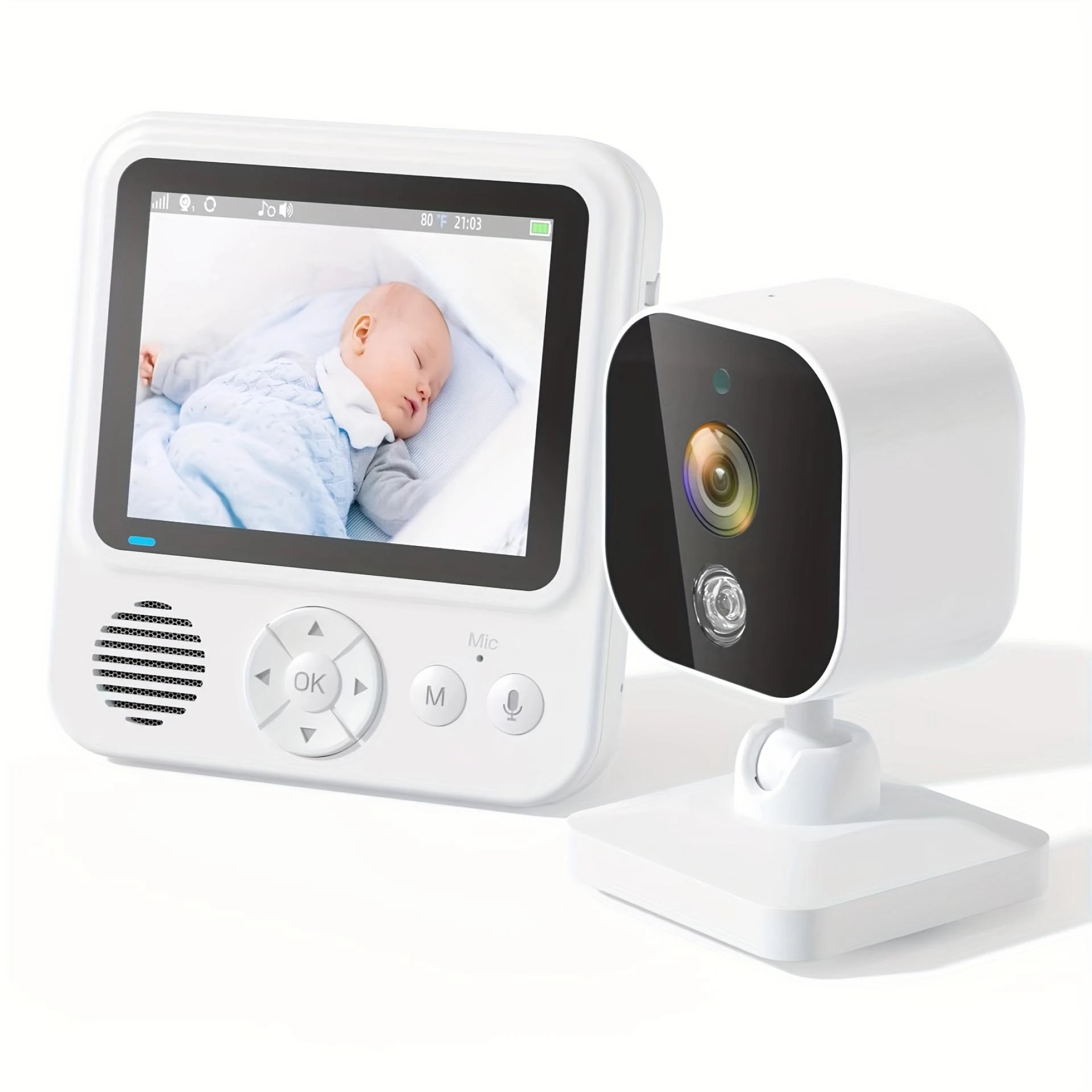
The Baby Monitor Market is witnessing a transformative evolution, fueled by rising parental concerns for infant safety and technological advancements in smart devices. With the modern lifestyle demanding more flexibility for parents, the integration of artificial intelligence (AI), IoT-enabled devices, and high-definition video monitoring has reshaped consumer expectations and set new standards in baby care products. The market has shown substantial growth in recent years, driven by urbanization, dual-income households, and increasing tech adoption, especially in developed and emerging economies.
1. Market Overview and Current Landscape
The baby monitor industry has grown beyond traditional audio devices to sophisticated multi-functional systems that include video cameras, environmental sensors, heart rate monitors, and real-time mobile connectivity. These devices allow parents to monitor their children remotely, offering peace of mind and greater control over childcare routines.
North America remains a dominant market, owing to high consumer awareness and purchasing power. However, rapid growth is also being observed in Asia-Pacific and Latin America, driven by rising disposable incomes and urban expansion. The increased availability of internet connectivity and smartphone penetration has further propelled market growth across these regions.
2. Key Market Segments and Product Types
The market is segmented based on:
- Product Type: Audio monitors, video monitors, and smart monitors.
- Connectivity: Wired vs. wireless (Wi-Fi, Bluetooth).
- Distribution Channel: Online platforms, specialty baby stores, and large retail chains.
Video baby monitors dominate the product segment due to the increased demand for visual monitoring. Additionally, smart baby monitors, which incorporate features such as temperature sensors, night vision, two-way audio, and cloud storage, are rapidly gaining traction among tech-savvy parents.
3. Technological Advancements Driving the Market
The infusion of modern technology into baby monitors is significantly influencing buyer preferences. Key advancements include:
- Artificial Intelligence (AI): Enables predictive alerts for abnormal movement or sleep patterns.
- Internet of Things (IoT): Allows seamless integration with smart home ecosystems.
- Wearable Devices: Track vital statistics such as oxygen levels and heartbeat.
- Mobile App Integration: Offers real-time access and remote control via smartphones.
- Machine Learning: Helps personalize alerts and reduce false notifications over time.
These innovations are redefining product value, helping brands distinguish themselves in an increasingly crowded marketplace.
4. Market Dynamics: Drivers, Challenges, and Opportunities
Key Drivers:
- Growing Safety Concerns: Parents increasingly prioritize safety and health monitoring.
- Dual-Income Families: Demand for remote monitoring tools is higher among working parents.
- Smart Home Integration: Compatibility with existing ecosystems like Alexa or Google Home boosts appeal.
- Healthcare Applications: Some monitors are being used for pediatric health tracking in clinical settings.
Challenges:
- Privacy Concerns: Wi-Fi-enabled devices are vulnerable to cybersecurity risks and unauthorized access.
- High Costs: Advanced monitors can be expensive, limiting access in low-income regions.
- Over-Reliance on Devices: Excessive dependence may replace physical parental supervision in some cases.
Opportunities:
- Expansion in Emerging Markets: Regions like India, China, and Brazil present high growth potential.
- Subscription-Based Services: Offering cloud storage and AI analytics on a monthly model.
- Customization and Localization: Language-specific apps and culturally relevant features can widen adoption.
5. Competitive Landscape
The baby monitor market is moderately fragmented, with a mix of established players and new tech startups. Leading companies include:
- Motorola Mobility
- VTech Communications
- Samsung Electronics
- Nanit
- Owlet Baby Care
- Infant Optics
These companies invest heavily in R&D and partnerships to stay ahead of evolving consumer demands. Features like encrypted video streaming, integration with wearables, and subscription-based health insights are becoming standard offerings.
6. Regulatory and Safety Standards
Regulatory bodies across different countries are increasingly enforcing product safety and electromagnetic radiation standards. Compliance with organizations like the Consumer Product Safety Commission (CPSC) in the U.S., and CE certifications in Europe, plays a crucial role in shaping market accessibility and consumer trust.
Manufacturers must also adhere to data privacy regulations like the GDPR or CCPA when collecting and storing user data, particularly sensitive child monitoring information.
7. Future Outlook
The Baby Monitor Market is expected to continue its upward trajectory, driven by technological integration and consumer-centric innovations. Analysts forecast steady CAGR growth over the next five to seven years, especially in AI-powered monitors and health analytics-driven models. The convergence of baby monitoring with telehealth and remote diagnostics could open new avenues for healthcare collaboration.
Moreover, manufacturers that focus on affordability, multilingual support, and intuitive UX design will be better positioned to capture a global audience.
Conclusion
The baby monitor industry is no longer just about keeping an ear on your child—it’s about providing a seamless, intelligent, and holistic childcare experience. As innovation continues to enhance product functionalities and global demand scales upward, stakeholders across the value chain must focus on data security, user-centric design, and strategic global expansion to stay competitive. The Baby Monitor Market is poised not just for growth, but for a complete transformation in how we approach infant care.