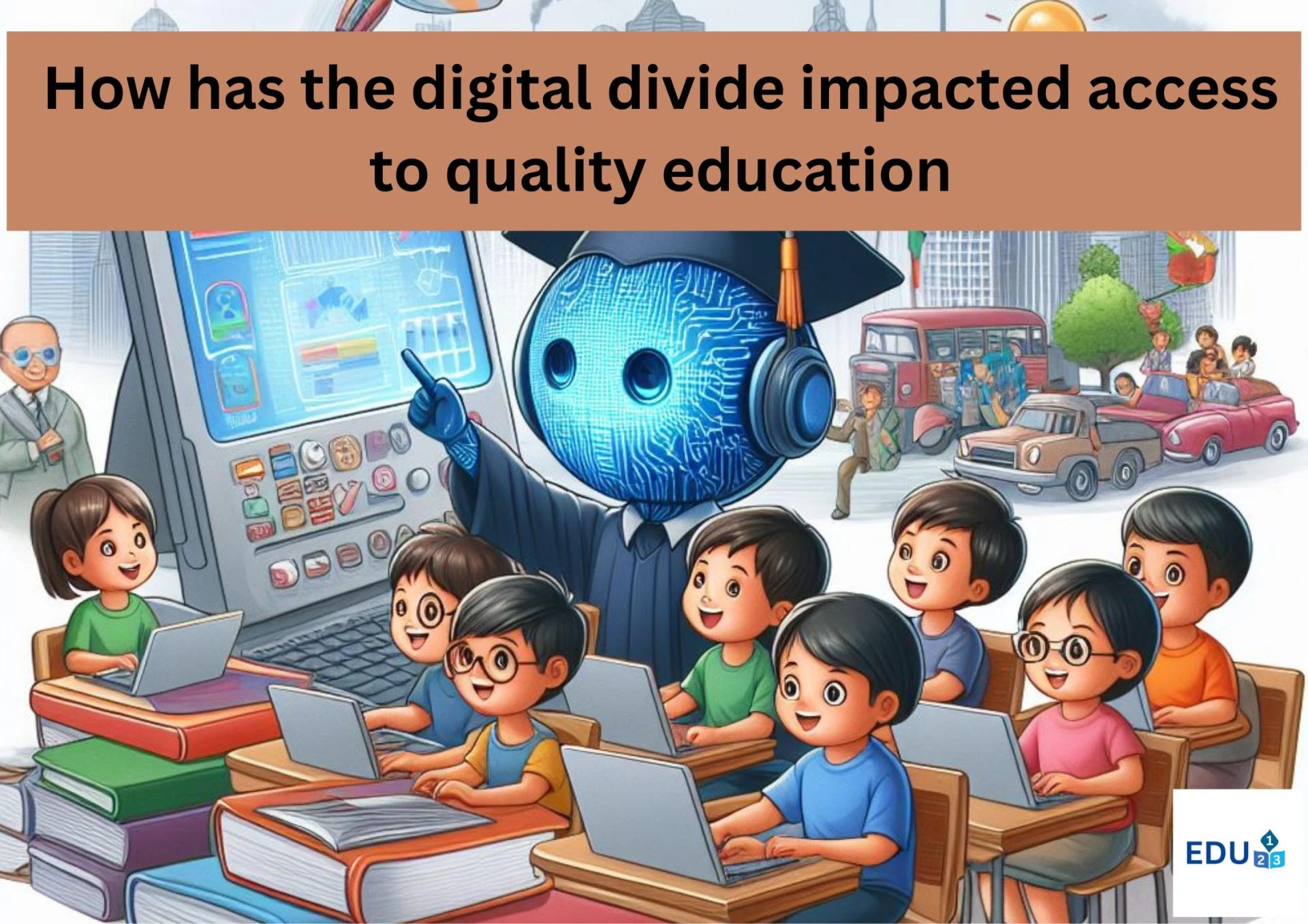
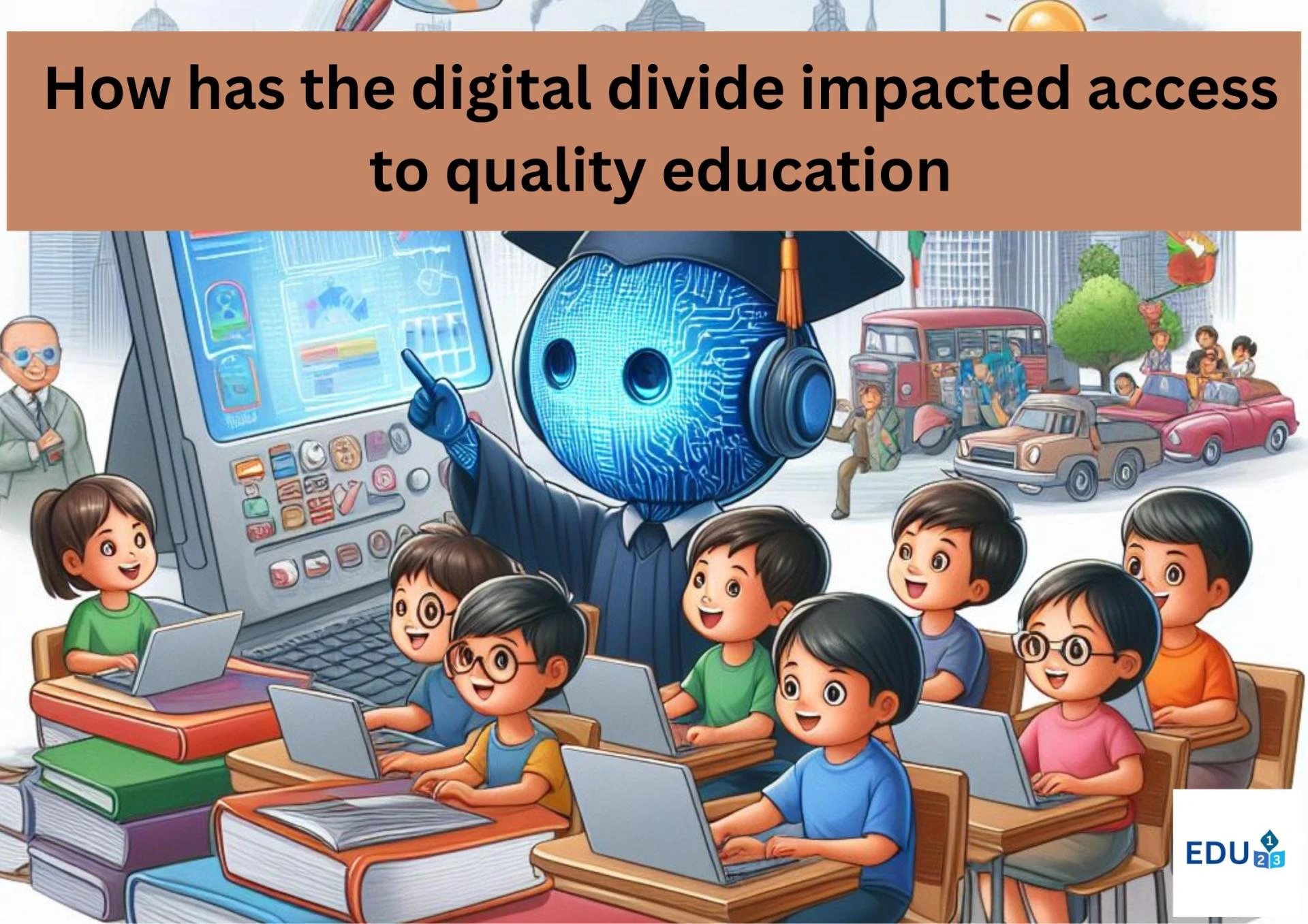
In the rapidly evolving world of education, digital access has become essential for students at every level. Yet, despite technological advancements, a significant gap persists between those who have access to digital tools and those who don’t — a gap known as the digital divide. This divide directly affects the quality of education that learners can receive, especially in underdeveloped and rural areas. While students in urban zones and boarding schools in Dehradun benefit from high-speed internet, digital libraries, and interactive platforms, many others continue to rely on outdated or limited educational resources.
Key Ways the Digital Divide Affects Quality Education:
- Limited Access to Learning Materials
- Students without internet or devices can’t access e-books, educational videos, or learning apps, reducing their exposure to diverse study materials.
- Lack of Digital Literacy
- Many students in remote areas are not digitally literate due to the absence of regular device usage. This creates a long-term disadvantage as most modern careers require tech proficiency.
- Unequal Participation in Online Classrooms
- In hybrid or fully online education systems, learners with poor connectivity face difficulties in attending live sessions or interacting with teachers, making education less engaging and effective.
- Reduced Opportunities for Skill Development
- Courses in coding, digital marketing, or data analytics — which are often available online — are out of reach for students affected by the digital divide, limiting their future prospects.
Bridging the Divide: Steps Toward Equal Education
Efforts to minimize the digital divide must include government policies, school-level initiatives, and community support. Providing affordable internet, distributing digital devices, and setting up digital training centers in rural and semi-urban areas can significantly improve access.
Some positive developments include:
- Public-private partnerships offering free Wi-Fi zones in villages.
- NGOs donating refurbished laptops and tablets.
- Training programs to improve digital skills among teachers and students alike.
Conclusion
Access to quality education should not be a privilege determined by geography or economic status. While boarding schools in Dehradun and other well-equipped institutions continue to thrive, it is essential to ensure that all students, regardless of their background, have the same opportunities to learn and grow. The digital divide is not just a tech issue — it’s a human rights concern. Bridging this gap is vital for creating an equitable and empowered future generation.