In India, the electrical and energy sector is strictly regulated to ensure safety, quality, and accountability. Two key licenses in this ecosystem are the Dealer Possession License (DPL) and the Non-Dealer Possession License (NDPL). These certifications serve as official approvals for entities handling electrical equipment, ensuring compliance with statutory requirements. For businesses and organizations operating in this field, understanding the processes for registration and certification is crucial.
Understanding DPL Certification
The Dealer Possession License (DPL) is issued to entities involved in the sale, distribution, or trading of electrical products. DPL certification serves as a legal validation, confirming that the dealer complies with all regulatory and safety norms.
Obtaining a DPL license is important for several reasons: it establishes credibility with manufacturers and customers, ensures lawful operation in the market, and demonstrates adherence to industry safety standards. DPL certification also reassures partners and regulatory authorities that the dealer maintains proper record-keeping, storage practices, and operational controls.
Understanding NDPL Certification
The Non-Dealer Possession License (NDPL) is intended for entities that possess electrical equipment but do not engage in selling or trading. These may include contractors, service providers, institutions, or organizations that utilize electrical products for operational purposes.
NDPL certification validates that non-dealer entities follow proper safety protocols, maintain accurate records, and handle equipment responsibly. Like the DPL license, NDPL ensures legal compliance and provides official recognition, protecting the entity against penalties or regulatory issues.
Steps for DPL and NDPL Registration and Certification
The process for obtaining DPL or NDPL licenses typically involves the following steps:
- Eligibility Assessment: Applicants must evaluate whether their business operations or organizational setup qualify for DPL or NDPL certification. This includes verifying the type of equipment handled, operational capacity, and existing safety measures.
- Application Submission: A formal application is submitted to the relevant authority, detailing the entity’s information, operations, and the types of equipment in possession.
- Documentation: Applicants provide necessary documents such as proof of business or organization registration, identity verification, operational infrastructure, and safety compliance records.
- Inspection and Verification: Authorities may conduct site inspections to confirm that the premises, storage methods, and operational practices meet regulatory standards.
- License Issuance: Upon successful review and inspection, the DPL or NDPL license is issued, granting legal recognition to the entity.
- Ongoing Compliance: DPL and NDPL licenses require periodic renewal. License holders must continue adhering to safety protocols and regulatory guidelines to maintain validity.
Benefits of DPL and NDPL Certification
Obtaining these licenses provides multiple advantages for businesses and organizations:
- Legal Compliance: Ensures lawful operations and reduces the risk of fines or penalties.
- Operational Safety: Certification mandates adherence to safety and handling standards, reducing accidents or mishandling of equipment.
- Credibility: Official certification enhances trust among clients, manufacturers, and regulators.
- Market Access: Certified dealers gain recognition, facilitating partnerships and procurement of electrical products.
- Accountability: Certification promotes responsible handling of electrical equipment, ensuring proper documentation and record maintenance.
The Importance of Professional Guidance
While the DPL and NDPL registration processes are straightforward in principle, they require careful attention to detail. Professional consultancy can assist applicants in preparing documentation, ensuring compliance with regulatory standards, and streamlining the approval process. Experienced consultants help avoid common errors, reduce delays, and provide guidance for ongoing compliance.
Conclusion
DPL and NDPL certifications are essential for maintaining legal and operational standards within the Indian electrical sector. Dealers benefit from DPL licenses, while non-dealer entities gain recognition through NDPL certification. Both licenses provide credibility, safety assurance, and regulatory compliance, which are critical for sustainable operations.
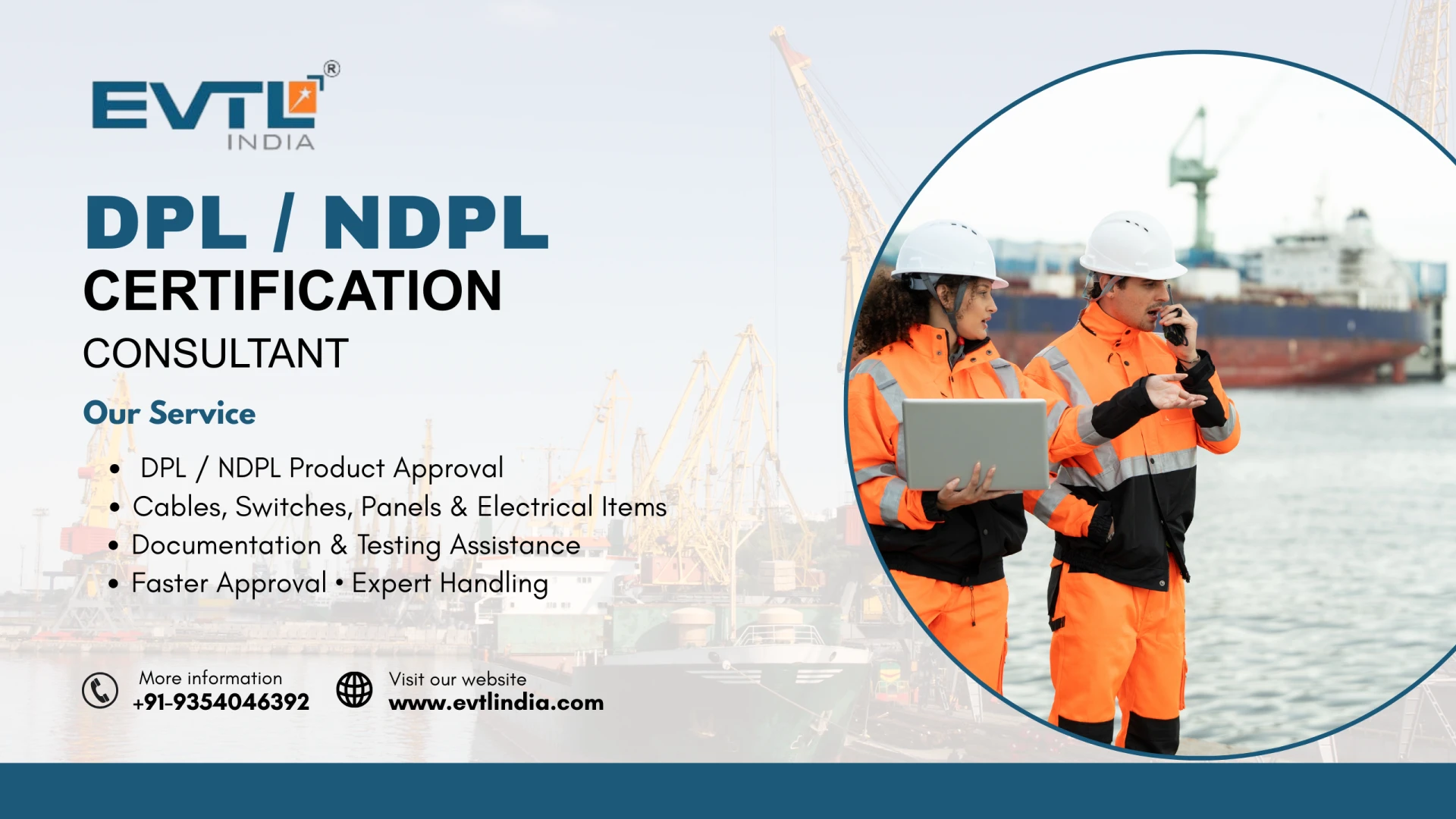
EVTL India specializes in providing end-to-end support for DPL and NDPL registration and certification. From assisting with documentation to guiding entities through inspections and approvals, EVTL India ensures a smooth certification process, helping businesses and organizations achieve compliance and operate confidently in the electrical sector.