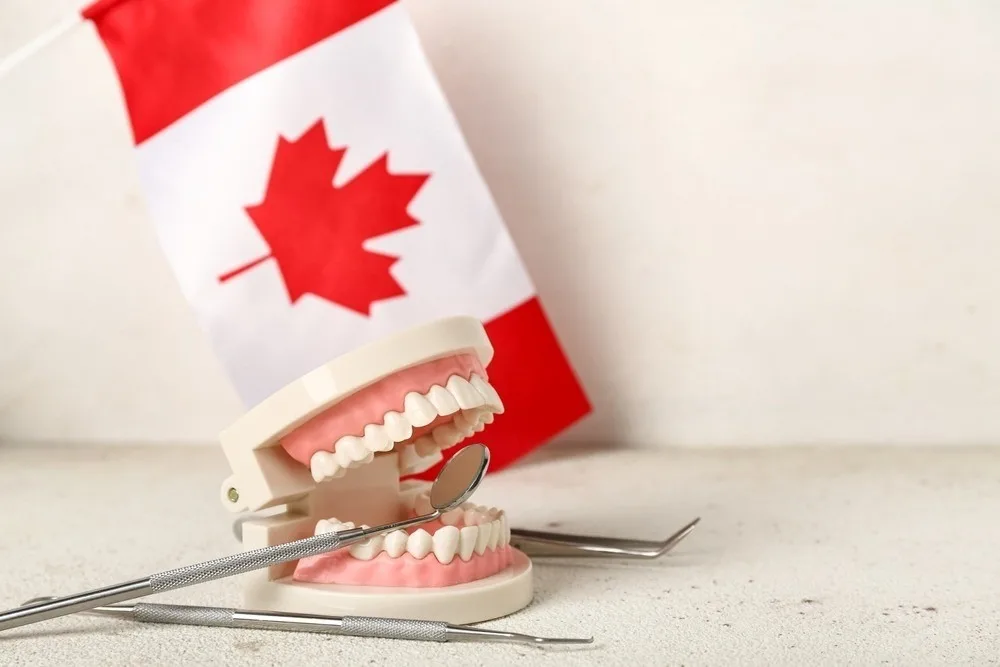
The Canadian Dental Care Plan (CDCP) includes coverage for certain dental procedures, including eligible root canal treatments and dental crowns. However, coverage depends on the treatment, clinical eligibility requirements, plan rules, and whether preauthorization is needed. A dentist in SE Calgary can help patients understand their treatment options and provide guidance on checking their CDCP eligibility.
Patients considering treatment should check their individual coverage before proceeding. The fact that a procedure appears on the covered-services list does not mean every case will automatically qualify.
Does CDCP Cover Dental Crowns?
Yes. The CDCP may cover eligible dental crowns when clinical requirements are met.
According to the Government of Canada's current dental benefits information, certain crown procedures require preauthorization.
Coverage considerations include:
- Whether the tooth meets the plan's eligibility requirements.
- Whether the tooth can be restored.
- Whether required supporting documentation is provided.
- Whether the treatment meets clinical criteria.
- Applicable frequency limits.
The CDCP Dental Benefits Guide lists eligible crown categories and specific conditions for coverage.
Does CDCP Cover Root Canal Treatment?
Yes. Eligible root canal treatment is included under CDCP coverage.
Root canal treatment is used when the pulp inside a tooth becomes infected or injured. The procedure removes affected tissue, cleans the root canal system, and seals it.
However, coverage depends on eligibility requirements.
Some standard root canal procedures do not require preauthorization within applicable rules, while certain procedures, including retreatment, require it.
Read the official CDCP coverage information for the latest requirements.
Which Dental Treatments May Be Covered?
The CDCP includes several categories of dental services.
Examples include:
- Dental examinations.
- X-rays.
- Dental cleanings.
- Fluoride applications.
- Eligible fillings.
- Eligible root canal treatments.
- Eligible dental crowns.
- Certain tooth extractions.
- Some denture services.
- Certain sedation procedures.
Not every treatment is covered automatically. Some require preauthorization, and others are excluded.
Does CDCP Cover Dental Implants?
No. Dental implants and implant-related procedures are listed as exclusions under the current CDCP Dental Benefits Guide.
This is important for patients comparing tooth replacement options.
Traditional bridges are also listed among the exclusions, while certain removable dentures may qualify under the plan's criteria.
Patients should not assume that coverage for one tooth replacement procedure means another is also covered.
What Is CDCP Preauthorization?
Preauthorization means that a dental provider submits information to the plan before treatment to determine whether a proposed procedure qualifies for coverage.
It may involve:
- A dental examination.
- Clinical findings and diagnostic information.
- A proposed treatment plan.
- Supporting X-rays or other documentation.
- Submission of the request by the dental provider.
- A coverage decision under CDCP rules.
For dental crowns, the government guide specifies preauthorization requirements.
Approval is not guaranteed, and treatment should be discussed with your provider before proceeding.
Will You Have to Pay Anything Yourself?
Possibly. CDCP may cover only part of the eligible treatment cost.
Your personal payment can depend on:
- Adjusted family net income.
- The plan's established fees.
- The provider's fees.
- Whether the procedure is eligible.
- Whether additional charges apply.
The government's published co-payment structure includes:
- Below $70,000: CDCP covers 100% of eligible established fees, with 0% patient share.
- 70,000–79,999: CDCP covers 60% of eligible established fees, with a 40% patient share.
- 80,000–89,999: CDCP covers 40% of eligible established fees, with a 60% patient share.
Additional charges may still apply if the provider's fees exceed CDCP reimbursement or the patient chooses services not covered by the plan.
These figures refer to eligible established fees, not necessarily the entire amount charged by a dental clinic.
Always confirm your expected payment before treatment.
How Can You Check Your Dental Coverage?
Before arranging treatment, ask your dental office:
- Is this procedure included in the CDCP?
- Does it require preauthorization?
- Has the approval been received?
- What amount is expected to be covered?
- Are there additional charges?
- What amount will I need to pay?
The official CDCP Dental Benefits Guide should be used for detailed eligibility requirements.
Dental Care at Sorensen Dental Group in SE Calgary
Sorensen Dental Group states that it accepts the Canadian Dental Care Plan.
Patients can explore general dentistry services and restorative dentistry to understand the treatments offered.
For questions about a proposed procedure, contact the clinic or request an appointment. Individual coverage should always be confirmed before treatment.
Frequently Asked Questions
Does CDCP cover dental crowns for adults?
Eligible crowns may be covered for adults aged 18 and older, subject to clinical criteria and preauthorization.
Does CDCP cover root canal treatment?
Yes. Eligible root canal treatments are included, subject to applicable clinical and plan requirements.
Are dental implants covered by CDCP?
No. Implants and implant-related procedures are listed as exclusions.
Does CDCP cover the entire dental treatment cost?
Not necessarily. Co-payments and additional provider charges may apply.
Do dental crowns need preauthorization?
Yes. Crown procedures listed in the CDCP guide require preauthorization.
Can I receive treatment before approval?
For procedures requiring preauthorization, approval must generally be obtained before treatment to qualify for coverage. Specific emergency exceptions are governed by plan rules.
Where can I check current CDCP coverage?
Use the Government of Canada's official CDCP coverage page and Dental Benefits Guide.
Conclusion
The CDCP can help eligible Canadians access important dental treatments, including certain crowns and root canals. However, eligibility, preauthorization, and out-of-pocket costs vary. Check your benefits and confirm the expected payment with your dental provider before starting treatment. Book an appointment with our dental team to discuss your treatment options and CDCP coverage.