Introduction
In today's fitness-obsessed world, hitting the gym has become more than just a trend—it's a lifestyle. From lifting heavy weights to doing high-intensity interval training (HIIT), people push their physical limits to sculpt their bodies and boost health. However, a growing concern among men is the possible link between strenuous workouts and varicocele, a condition that affects the veins in the scrotum.
This article dives into the science, myths, and facts surrounding the connection between gym workouts and varicocele. Whether you're a regular gym-goer, an athlete, or someone experiencing discomfort and wondering about its cause, this comprehensive guide will help you understand if your fitness routine could be contributing to varicocele and how to manage it effectively.
What is Varicocele?
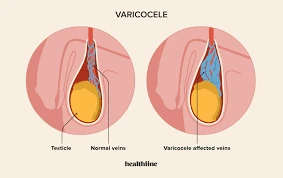
Varicocele is a condition where the veins inside the scrotum become enlarged, much like varicose veins in the legs. It usually occurs when blood flow in the spermatic cord veins is disrupted, causing them to swell. This can lead to discomfort, testicular pain, and in some cases, fertility problems.
Common symptoms include:
- A dull or sharp ache in the scrotum
- Heaviness or dragging sensation in the testicles
- Visible or palpable enlarged veins
- Worsening pain after prolonged standing or physical activity
Varicoceles are most commonly found on the left side of the scrotum due to the anatomy of the veins. Around 15% of all men and up to 40% of men facing infertility issues are diagnosed with this condition.
The Role of Exercise and Gym Workouts
1. Does Gym Training Cause Varicocele?
There is no direct evidence suggesting that working out causes varicocele. However, certain physical activities, especially those involving heavy lifting or excessive straining, may worsen an existing varicocele or accelerate its development in individuals already predisposed to the condition.
Heavy resistance training increases intra-abdominal pressure. When this pressure is sustained or repeated without proper breathing techniques (like the Valsalva maneuver), it can impact the venous return in the lower body, including the scrotal veins. Over time, this increased pressure may contribute to venous dilation.
2. Weightlifting and Varicocele
Among all gym activities, heavy weightlifting raises the most concern. Compound movements like deadlifts, squats, and bench presses often require maximal effort. While these exercises are excellent for building muscle and strength, they can significantly elevate abdominal and pelvic pressure if done incorrectly.
The repeated straining without breathing control can impede blood flow and lead to vein enlargement in the scrotum. That’s why men who lift weights should pay attention to proper technique, use supportive gear like weight belts, and avoid overexertion.
3. Cardio and Light Exercise
On the flip side, moderate aerobic activities like walking, cycling, or swimming are less likely to affect varicocele. In fact, such exercises improve circulation and overall vascular health. Cycling, however, should be done cautiously with a proper saddle, as prolonged pressure on the groin area can cause discomfort in men already diagnosed with the condition.
Pre-existing Varicocele and Gym Activity
If you’ve already been diagnosed with varicocele, does it mean you should give up on your workouts? Absolutely not! Staying fit is crucial, but it requires a smarter approach.
Here are a few workout tips for individuals with varicocele:
✅ Prioritize Form Over Weight
Use weights that allow you to maintain perfect form. Avoid going for your one-rep max often, and focus on high-rep, low-weight sets.
✅ Breathing Technique is Key
Never hold your breath while lifting. Use controlled breathing—inhale before lifting and exhale during the lift to reduce internal pressure.
✅ Avoid Prolonged Standing Exercises
Standing for long periods may worsen symptoms. Alternate between standing and sitting positions during workouts.
✅ Use Supportive Underwear
Wearing snug but comfortable athletic underwear helps support the scrotum and reduce discomfort during physical activity.
Can Gym-Induced Strain Be Prevented?
Yes, prevention is possible with mindful gym habits. Here’s how to protect your vascular health while remaining physically active:
- Warm-Up and Stretch: Always start your workout with a proper warm-up to improve blood flow and reduce muscle stiffness.
- Avoid Overtraining: Give your body time to recover between heavy workout sessions. Overtraining can lead to cumulative strain on veins.
- Hydration and Nutrition: Staying hydrated and eating foods rich in antioxidants and anti-inflammatory nutrients can enhance vascular health.
- Regular Medical Checkups: Periodic health screenings can help detect varicocele early and prevent complications.
Treatments for Varicocele
If symptoms are persistent and affecting your quality of life or fertility, treatment may be necessary. Here are some common medical options:
🔹 Conservative Management
- Wearing scrotal support
- Pain relievers (NSAIDs)
- Lifestyle adjustments, including modifying your workout routine
🔹 Surgical Interventions
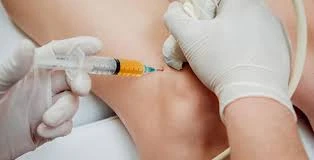
- Varicocelectomy: A minimally invasive procedure where the affected veins are ligated.
- Embolization: A non-surgical technique where coils or agents are used to block the faulty veins.
Both procedures have high success rates and minimal recovery times. Consulting with a vascular specialist or urologist will help determine the best approach for your condition.
Psychological Impact of Varicocele on Fitness Enthusiasts
Men who pride themselves on physical strength and discipline may feel discouraged or frustrated by a varicocele diagnosis. It’s important to remember that managing varicocele doesn’t mean sacrificing your fitness goals. With the right precautions and support, it’s entirely possible to stay active and healthy.
Mental well-being is equally important. If you're struggling with anxiety or concern related to varicocele, talking to a medical professional or counselor can make a big difference in your recovery and lifestyle adaptation.
Myths and Misconceptions
❌ Myth 1: Gym workouts cause varicocele in everyone
Fact: Not everyone who lifts weights or trains intensely will develop varicocele. Genetics and individual anatomy play a bigger role.
❌ Myth 2: Varicocele only affects older men
Fact: While more common in men aged 15–25, varicocele can affect males of any age.
❌ Myth 3: You must stop exercising completely if diagnosed
Fact: Exercise can still be part of your routine with modifications and awareness.
Conclusion
While there’s no solid evidence that gym workouts directly cause varicocele, intense physical strain—especially from heavy lifting—can aggravate or trigger symptoms in susceptible individuals. It’s essential to approach your fitness routine with awareness, proper technique, and support.
Understanding the signs, staying proactive about your health, and seeking timely medical advice can make a world of difference. Fitness and wellness should always go hand in hand, and with a little caution, you can continue working toward your goals without compromising your health.
If you're facing discomfort or suspect you may have varicocele, don’t ignore it. Early diagnosis and treatment options—from lifestyle adjustments to minimally invasive procedures—can help you regain comfort and confidence. Learn more about managing your condition and maintaining an active lifestyle at FlowCare—your trusted source for vascular health solutions.