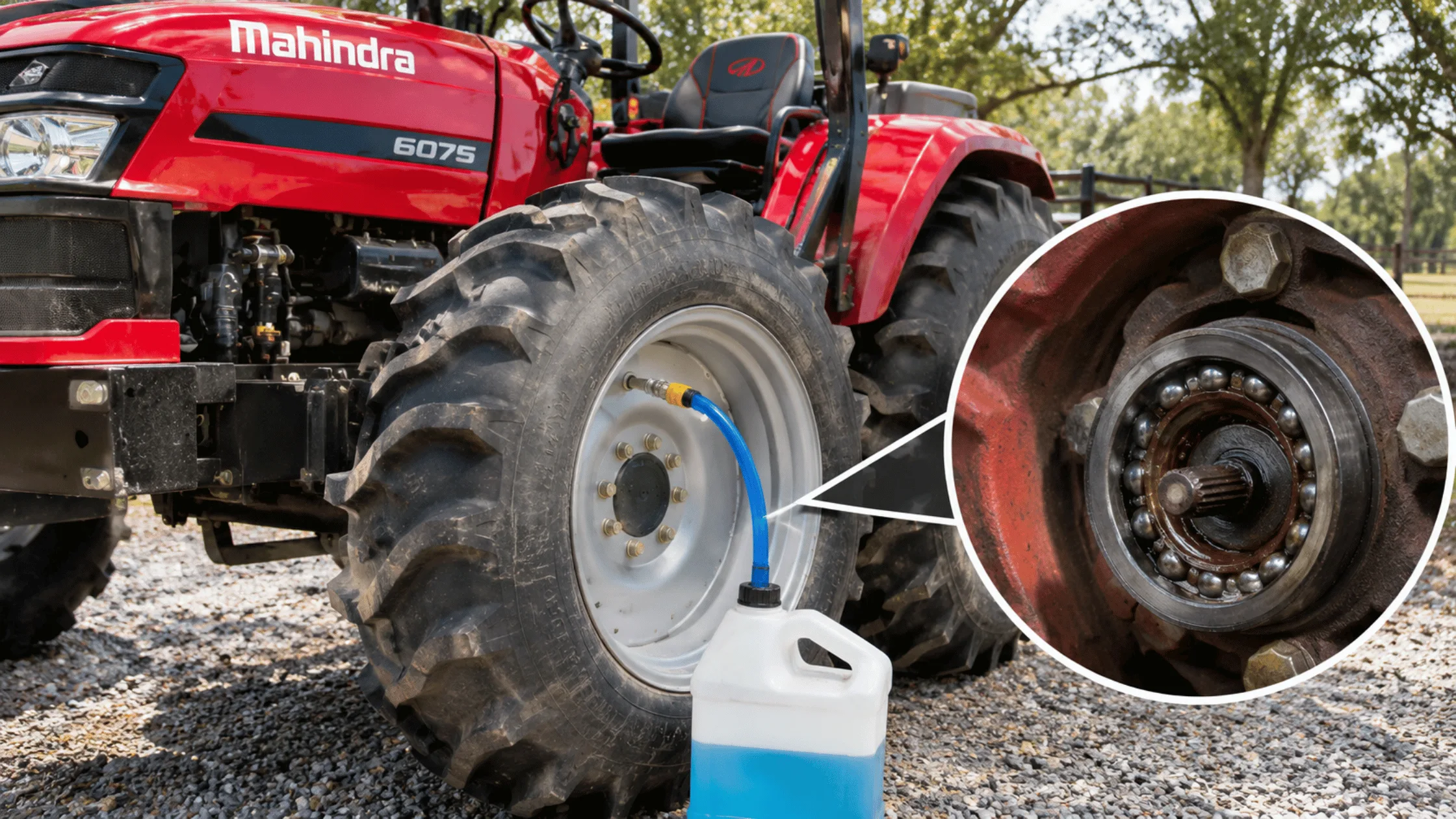
Adding weight to tractor tires can improve traction and stability, but it also raises a common concern: could the extra weight lead to premature wheel-bearing failure? Farmers who use liquid ballast want better performance without putting unnecessary strain on their equipment.
The good news is that fluid in tractor tires does not automatically damage wheel bearings. Using tractor tire ballast is a common way to improve traction, but the additional weight raises questions about axle loading and wheel-bearing durability.
How much extra weight a tractor can handle depends on its axle ratings, tire capacity, attachments, and the type of work being performed. This blog examines the effects on wheel bearings after adding fluid to tractor tires.
Why Do Farmers Add Fluid to Tractor Tires?
Tractor tires need enough weight to maintain a good grip on the ground. Without sufficient weight, the wheels may spin when pulling heavy implements, working on soft soil, or operating on slopes. This reduces traction and wastes engine power.
Adding fluid to tractor tires is one way to address this problem. Liquid ballast adds weight directly to the wheels without taking up space on the tractor or requiring large external weights. Farmers commonly use tire ballast for several reasons:
- Heavy field operations: Adding weight can improve traction when pulling certain implements or working in demanding soil conditions.
- Better traction: Additional weight helps the tires maintain contact with the ground and reduces excessive wheel slip.
- Loader work: Rear tire ballast can help counterbalance the total weight transferred to the front axle when using a front-end loader.
- Improved stability: Liquid ballast sits low inside the tires, helping lower the tractor’s center of gravity.
But more weight is not always better. The total amount of ballast should match the tractor, attachments, tires, and type of work.
How Does Liquid Ballast Load the Wheel Bearings?
Adding liquid ballast increases the weight of the tire and wheel assembly. This additional mass contributes to the load carried by the wheel hub and axle assembly. However, the effect on individual wheel bearings depends on the tractor's design, wheel offset, axle configuration, and overall weight distribution.
Attachments and operating conditions also influence the load. For example, a tractor carrying a heavy implement or operating with a front-end loader may experience different axle loading from one performing lighter fieldwork. Staying within the manufacturer's rated axle and tire capacities helps prevent unnecessary mechanical stress.
The important consideration is whether the combined operating weight remains within the tractor's rated axle and tire capacities. When these limits are exceeded, supporting components may experience greater stress and wear over time. Following the manufacturer's ballasting recommendations helps maintain proper load distribution and protect the wheel assembly.
Proper vs Excessive Tractor Tire Ballast
The difference between useful ballast and excessive weight is important. Many agricultural tire manufacturers recommend filling tires to approximately 75% capacity, with the valve stem positioned at the 12 o'clock position during filling. However, the correct fill level depends on tire construction and tractor specifications. Some manufacturers recommend different limits, so always consult the operator's manual before adding liquid ballast.
Some manufacturers specify different requirements, and certain tire designs may not be suitable for liquid ballast. Overballasting creates a different problem. Excessive weight can increase axle loads, affect steering and handling, and put additional stress on tires, bearings, and drivetrain components. Always follow the ballast limits in your tractor’s operator’s manual.
What Really Causes Wheel Bearing Wear?
Liquid ballast is not the only factor that influences tractor wheel-bearing life. Poor lubrication, damaged seals, incorrect bearing adjustment, and repeated impact loads can also contribute to premature wear. Knowing these causes makes it simple to identify why a wheel bearing may be wearing prematurely.
- Skipped maintenance: Bearings need proper lubrication and periodic inspection. Contaminated lubricant, insufficient grease, damaged seals, and incorrect bearing adjustment can accelerate wear.
- Excessive ballast: Adding more liquid than recommended increases the weight carried by the axle assembly. If the total load exceeds the manufacturer’s limits, bearing stress can increase.
- Improper loading: Using oversized implements, carrying loads beyond the tractor’s capacity, or distributing weight incorrectly can affect axle loading.
- Heavy loader operations: Front-end loaders can place considerable weight on the front axle, particularly when lifting heavy materials. Incorrect rear counterweighting can affect the tractor’s weight distribution and increase strain on supporting components.
- Rough terrain: Working over uneven ground, rocks, deep ruts, and rough surfaces creates repeated shocks. These impacts can place additional loads on wheel hubs and bearings.
If you notice unusual grinding sounds, excessive wheel play, and abnormal heat around a wheel hub, do not assume liquid ballast is the cause. These symptoms deserve a proper inspection.
Choosing a Ballast Fluid: Why Climate Matters
The type of liquid used for ballast also deserves attention. Different fluids have different weights, freezing characteristics, and effects on wheel components.
- Calcium chloride: This solution provides relatively heavy ballast and offers freeze protection. But calcium chloride is corrosive if it comes into direct contact with metal rims. Proper handling and leak protection are important, and leaks should be addressed promptly.
- Straight water in your tires: Water is an inexpensive option and provides useful weight. But it can freeze in cold weather. Frozen liquid can expand and potentially damage the tube or tire. It is generally unsuitable where temperatures fall below freezing unless an approved freeze-protection solution is used.
- Beet juice products: Commercial beet-based ballast fluids offer good weight without the same rim-corrosion concerns associated with calcium chloride. Their freezing performance depends on the specific formulation.
- Windshield washer fluid: Although some operators consider windshield washer fluid for tire ballasting, certain formulations contain flammable ingredients. Firestone warns against using flammable liquids, including some windshield washer fluids, as tire ballast. Always select an approved, nonflammable ballast solution.
- Glycol-based solutions: Some commercially formulated ballast products offer glycol-based freeze protection. However, compatibility with the tire, tube, rim, and manufacturer specifications should be confirmed before use. Always check the tire and tractor manufacturer compatibility before using one.
Climate deserves special attention when buying a used tractor, especially if it has previously operated in a warmer region.
A tractor moved from a warm region to a colder area may still contain plain water in its tires. Checking the existing ballast before the winter season can help prevent unexpected freezing problems.
Safe Ballasting and Inspection Tips
Before adding ballast, check how much additional weight your tractor can safely carry. Before adding fluid, check the operator’s manual and confirm that the tires are approved for liquid ballast. A few practical precautions can help:
- Follow the manufacturer’s recommended bearing lubrication and inspection schedule.
- Use the correct quantity of ballast for the tire size and tractor configuration.
- Maintain the recommended tire inflation pressure.
- Select a fluid suitable for the local climate.
- Check valve stems, tires, rims, and wheel hubs periodically.
- Watch for unusual noises, leaks, excessive wheel play, or signs of overheating.
If grinding noises, excessive wheel movement, or unusual hub temperatures continue, have the tractor inspected before returning to demanding fieldwork. A qualified technician can check bearing adjustment, lubrication, seals, and axle components to identify the actual source of the problem. Owners who need professional assistance can contact a tractor repair service to assess the condition of their equipment and determine whether repairs are necessary.
During routine tractor inspections, wheel-bearing problems should be evaluated alongside tire condition, axle loading, and lubrication history. For example, unusual hub temperatures, grinding sounds, or excessive wheel movement may indicate a bearing problem. Checking these symptoms before continued heavy operation can help prevent more extensive damage.
Does Fluid in Tractor Tires Cause Wheel Bearing Failure?
Wheel-bearing durability depends on how well the tractor's total operating weight is managed. Liquid ballast can improve traction and stability, but excessive loading, poor maintenance, and demanding operating conditions can shorten bearing life.
The real concern is whether the additional ballast, together with the tractor's attachments and operating load, exceeds the recommended limits of the axle and tire assembly.
Proper ballast selection, suitable tire pressure, and regular wheel-hub inspections help maintain reliable tractor performance. If you notice grinding noises, unusual heat, or excessive wheel movement, arrange an inspection before the problem causes further damage.
For help identifying bearing problems or other mechanical issues, contact a professional tractor repair service. Regular maintenance and correct loading practices can help protect your tractor's supporting components and extend its service life.