
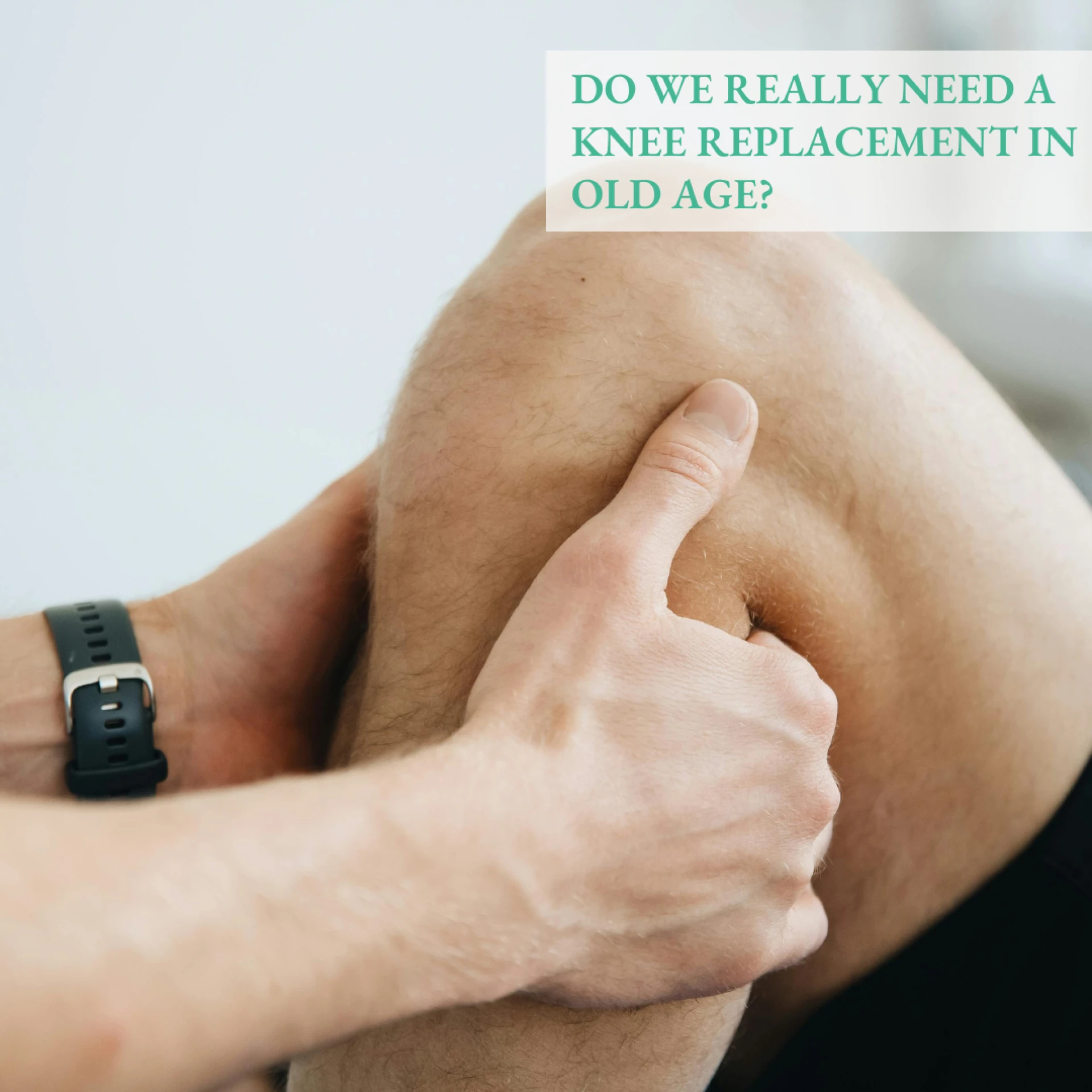
As people grow older, the body starts to show signs of wear and tear. One of the most common complaints in old age is knee pain. It slows down daily activities. It affects how people walk, sit or climb stairs. Sometimes this pain becomes so severe that even simple movements feel impossible. In such cases many doctors suggest knee replacement. But the question is do we really need knee replacement in old age? This article explores this question with facts, examples and expert opinions.
Knee Problems in Old Age
Knees help in walking, standing and sitting. But with age they lose strength. The bones weaken. The cartilage that protects joints begins to wear down. This leads to arthritis one of the leading reasons behind knee pain. In cities like Delhi many seniors visit an arthritis specialist in Delhi due to increasing pain and stiffness.
Older adults often deal with swelling, inflammation, and reduced flexibility. These signs usually point to degenerative joint issues. In most cases, this is osteoarthritis a condition where joint cartilage slowly breaks down over time. As a result bones rub against each other. This leads to pain, limited motion and even deformities.
What Is Knee Replacement?
Knee replacement surgery is a procedure where damaged parts of the knee joint are removed and replaced with artificial parts. These parts are made of metal, plastic or both. The goal is to restore knee function, reduce pain and improve quality of life.
There are two main types of knee replacement:
- Total Knee Replacement (TKR): The entire knee joint is replaced
- Partial Knee Replacement (PKR): Only the damaged part is replaced
This surgery is usually suggested when other treatments like medicines, exercises or injections stop working. Many hospitals now offer knee replacement in Delhi using advanced techniques for quicker recovery.
When Do Doctors Recommend Knee Replacement?
Not everyone with knee pain needs surgery. First, doctors try other treatments. These include physical therapy, diet changes, painkillers, and steroid injections. Only when these options fail, surgery becomes a choice.
Doctors recommend knee replacement surgery when:
- Pain becomes constant and unbearable
- Walking or climbing stairs becomes difficult
- Swelling and stiffness remain even after rest
- Sleep is disturbed due to joint pain
- Quality of life is severely affected
Patients should talk to an arthritis specialist in Delhi to understand if surgery is truly needed. Not all knee pain leads to surgery. Some people live pain-free with non-surgical care if their condition is managed early.
Pros of Knee Replacement in Old Age
Many people hesitate before choosing surgery. But if done at the right time, knee replacement has many benefits.
1. Pain Relief
It offers long-term relief from pain. This allows seniors to move without discomfort.
2. Improved Movement
Patients walk better. Climbing stairs and sitting down become easier.
3. Better Quality of Life
Daily chores become manageable. Mental stress from chronic pain also reduces.
4. Long-Lasting Results
Modern implants last for 15–20 years or more. With proper care, results are durable.
Challenges and Risks of Surgery in Old Age
Every surgery comes with some risks. Age increases the chance of complications, though most surgeries are safe with today’s technology.
Some common risks include:
- Blood clots
- Infection
- Reaction to anesthesia
- Joint stiffness or limited movement
- Implant loosening over time
That's why doctors assess the patient’s health before deciding on knee replacement surgery. They check blood pressure, diabetes, heart condition, and bone health. If the patient is fit for surgery, the success rate is very high.
Alternatives to Knee Replacement
Before opting for surgery, doctors often try less invasive options.
1. Medication
Doctors suggest anti-inflammatory drugs or headache medicine like paracetamol to reduce knee pain.
2. Physiotherapy
Specific exercises help strengthen the knee muscles and reduce stiffness.
3. Steroid Injections
These help reduce inflammation for a few months.
4. Weight Management
Extra weight puts pressure on knees. Losing weight helps in reducing knee pain.
However, these treatments don’t always offer long-term results. That’s why many patients later turn to surgery.
How to Choose the Right Surgeon?
Choosing the right doctor ensures good results. Look for the following:
- Experienced with senior patients
- Good reviews from past patients
- Use of modern tools and implants
- Works with reputed hospitals
Meeting a certified arthritis specialist in Delhi will help you understand your condition better. Many specialists explain the full process clearly so you know what to expect.
Life After Knee Replacement
After the surgery, patients need proper care and rehabilitation. With discipline and support, they can return to daily life in a few weeks.
Post-surgery recovery includes:
- Walking with support initially
- Physiotherapy to regain strength
- Avoiding high-impact sports
- Regular checkups
Final Thoughts
So, do we really need knee replacement in old age? If pain limits your daily life, if medicines no longer work, and if joint damage is severe, then yes — surgery is the right step. It can improve mobility, ease pain, and bring back independence. Age should not be the barrier.
Old knees deserve new strength. If you or your loved one suffers from severe joint pain, don’t delay. Speak to an expert like Dr. Simon Thomas. He is a trusted arthritis specialist in Delhi with years of experience in joint care and knee replacement surgery. Book a consultation today!