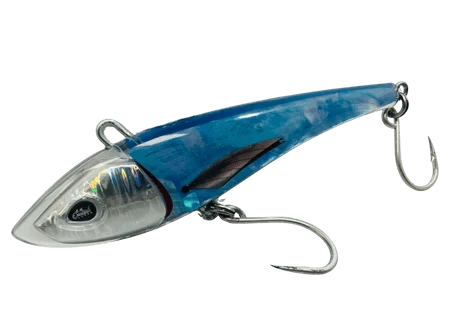
Offshore fishing offers a thrilling experience, especially when targeting powerful species like tuna. These fast and strong fish require the right strategy, patience, and equipment. Among all the gear choices available, Tuna Lures stand out as one of the most important tools for increasing your chances of success. Whether you are new to fishing or have years of experience, understanding how Tuna Lures work can significantly improve your results.
Tuna are highly active predators that rely on speed and sharp vision to hunt their prey. They are naturally drawn to movement and flashes that resemble injured baitfish. This is exactly what Tuna Lures are designed to do. By mimicking the appearance and motion of real fish, these lures trigger the instinctive response of tuna to chase and strike. When used correctly, they can attract fish from a considerable distance.
There are several types of Tuna Lures available, each suited for different fishing techniques. Trolling lures are among the most widely used. These lures are dragged behind a moving boat and create a lifelike swimming action that tuna find hard to resist. Trolling allows anglers to cover large areas of water, making it easier to locate schools of fish in the open ocean.
Casting lures are another effective option, especially when tuna are feeding near the surface. This method involves casting the lure into visible activity and retrieving it quickly. The rapid movement simulates a fleeing fish, which often triggers aggressive strikes. While casting requires more skill and timing, it can deliver exciting results when done properly.
Color plays a major role in the effectiveness of Tuna Lures. In clear water conditions, bright and reflective colors such as blue, green, and silver tend to work well. These shades mimic the natural shine of baitfish and catch the attention of tuna. In deeper or murky water, darker colors may be more effective because they create a stronger silhouette. Choosing the right color based on the environment can greatly improve your chances.
The size of the lure is equally important. Tuna feed on a variety of prey, from small baitfish to larger targets. Smaller Tuna Lures are ideal when fish are feeding on smaller species, while larger lures can attract bigger tuna looking for a more substantial meal. Carrying a mix of sizes allows you to adapt to changing conditions and feeding patterns.
Another key factor is the movement of the lure. Tuna are more likely to strike when a lure behaves like injured or escaping prey. Some Tuna Lures are designed to dive beneath the surface, while others create splashes on top of the water. Both styles can be effective depending on where the tuna are feeding. Observing the water and adjusting your lure accordingly can make a noticeable difference.
Speed is a crucial element when using Tuna Lures. Since tuna are fast swimmers, a slow moving lure may not attract much attention. When trolling, adjusting the boat speed to create the right action is essential. A lure that moves naturally and consistently is far more likely to trigger a strike. It is always a good idea to check how your lure behaves in the water before settling on a speed.
Weather and sea conditions also influence how Tuna Lures perform. On calm days, subtle and natural looking lures may work best because the water is clear and still. In rough conditions, brighter and more aggressive lures can help stand out among the waves. Being aware of these factors allows you to make smarter decisions while fishing.
Durability is another important consideration. Tuna are strong fighters, and they can put a lot of pressure on your gear. High quality Tuna Lures are built to withstand repeated strikes and harsh conditions. Investing in reliable lures ensures that they will perform when you need them most, reducing the risk of losing a valuable catch.
For beginners, learning how to use Tuna Lures effectively may take some time. It involves understanding fish behavior, experimenting with different setups, and adapting to changing conditions. Each trip provides valuable experience that helps you refine your approach. Over time, you will develop a better sense of what works best in different situations.
Even experienced anglers continue to adjust their techniques when using Tuna Lures. Tuna behavior can change depending on factors like water temperature, food availability, and time of day. Staying flexible and willing to try new methods is key to consistent success. Small adjustments in lure type, speed, or depth can often lead to better results.
In the end, Tuna Lures are more than just simple fishing tools. They are an essential part of a successful offshore fishing strategy. By choosing the right lure and using it effectively, you can increase your chances of catching tuna and make your fishing trips more rewarding.
Whether you are aiming for your first catch or looking to improve your success rate, Tuna Lures can make a significant difference. With the right knowledge and a bit of practice, you can turn every outing into an exciting and productive experience on the water.