Introduction
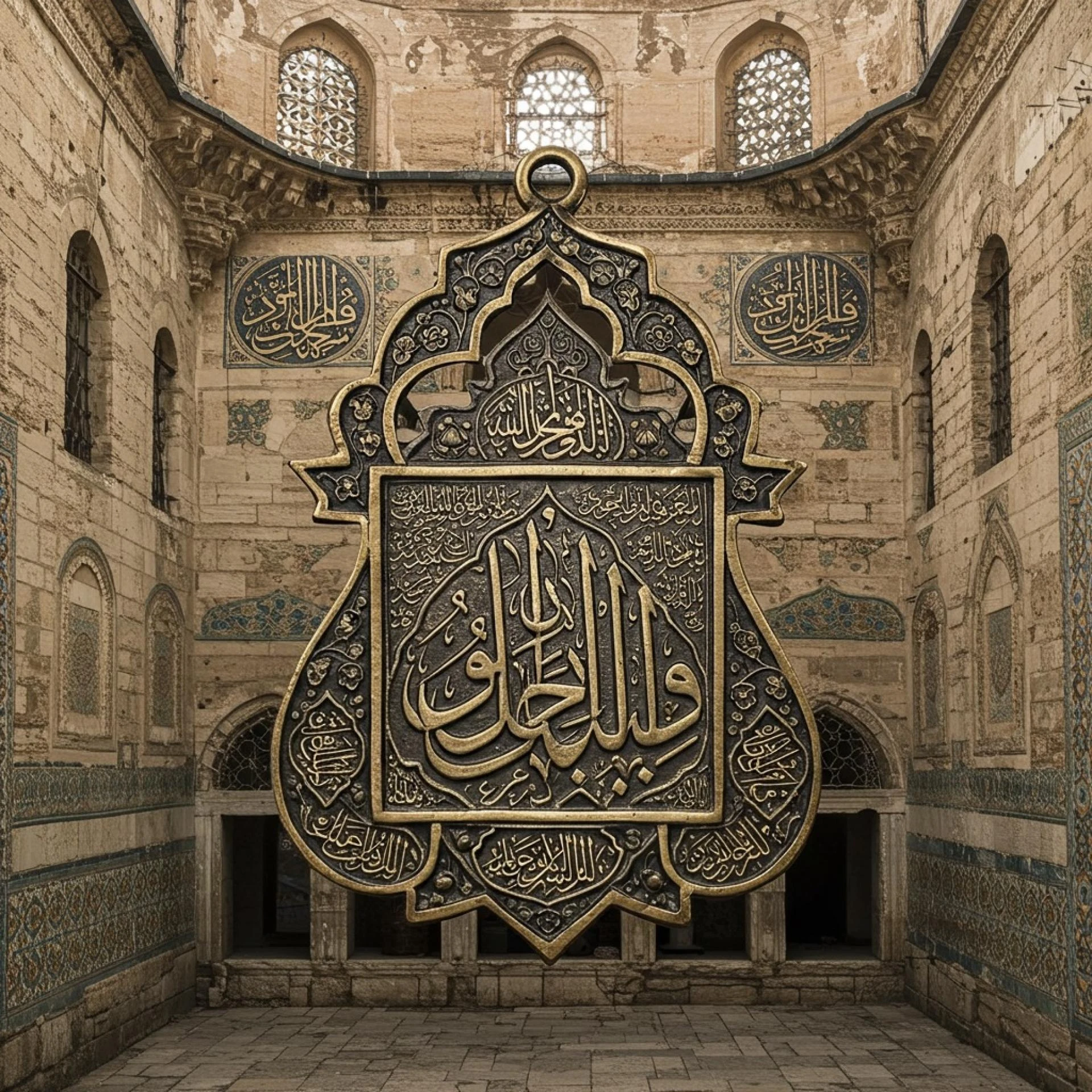
Throughout history, civilizations have sought protection from unseen forces, believing in the power of amulets and talismans-taweez to ward off harm and bring fortune. This belief was deeply ingrained in Persian culture, particularly during the Safavid (1501–1722 CE) and Qajar (1789–1925 CE) dynasties, when talismanic objects were widely used and often inscribed with Quranic verses, invocations, and astrological symbols. Among these protective objects, bazubands—taweez armbands worn by warriors and common people alike—held a special place. These objects, crafted from precious metals, steel, or even stones like hematite and carnelian, were often adorned with invocations such as Hasbuna Allah wa nima al-wakil (Sufficient for us is Allah, and He is the Best Disposer of affairs) and Nade Aliyan (Call upon Ali), reflecting both religious devotion and a belief in supernatural protection
The Persian belief in the power of magic and the Evil Eye dates back thousands of years, influenced by Zoroastrianism, ancient Mithraic traditions, and later, Shiism. The origins of these mystical practices reveal how the pre-Islamic Elamite civilization (3000 BCE – 646 BCE) and later the Achaemenid (550–330 BCE) and Sassanian (224–651 CE) Empires incorporated magical rituals into daily life. After the Arab conquest of Persia in the 7th century, Islamic teachings reshaped these beliefs, leading to the widespread use of Qur’anic inscriptions and prayers in talismans. By the 16th century, when the Safavid dynasty declared Shiism as the state religion, the production of talismans became even more systematized, often integrating the names of the Twelve Imams, the ‘Fourteen Innocents’ and sacred Islamic symbols.
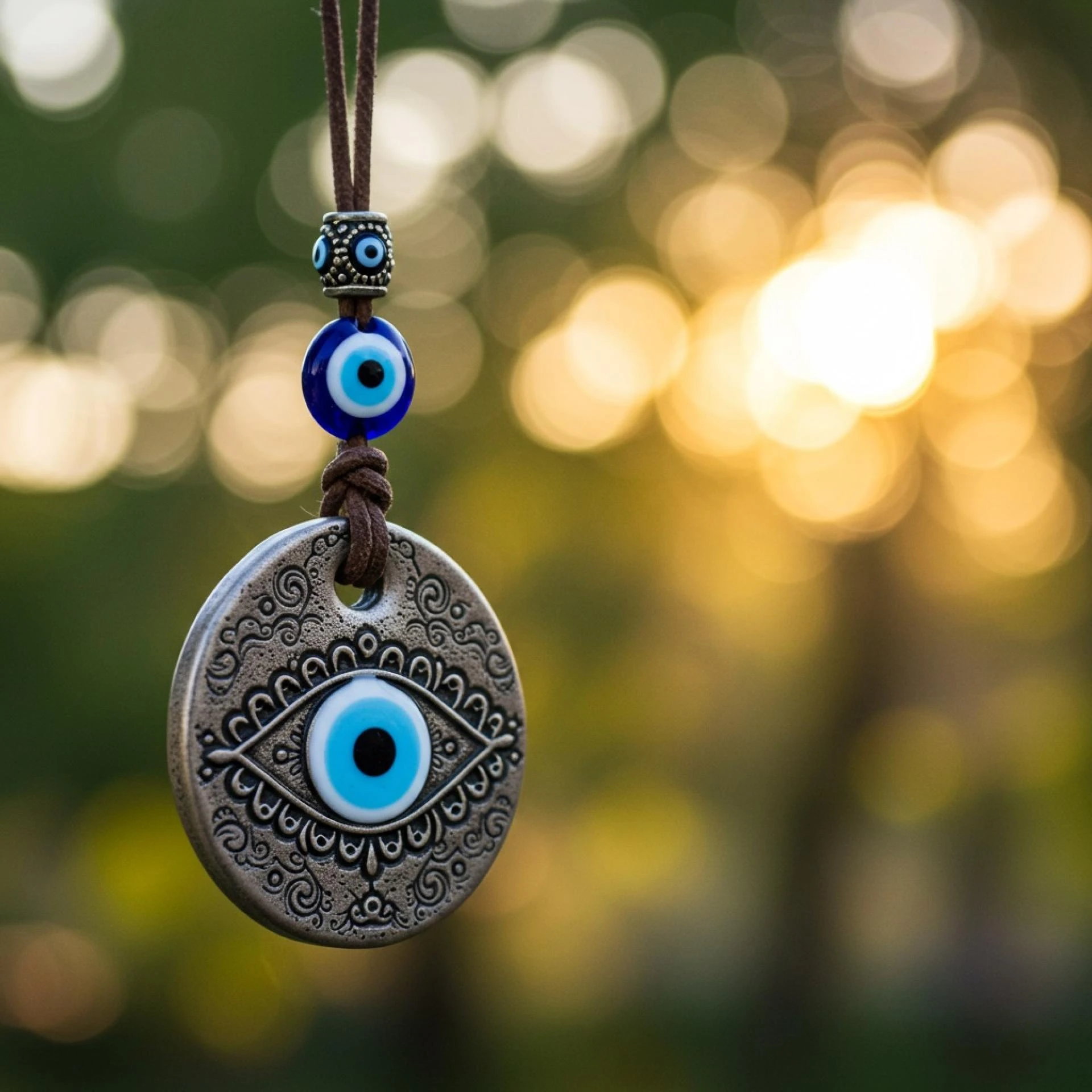
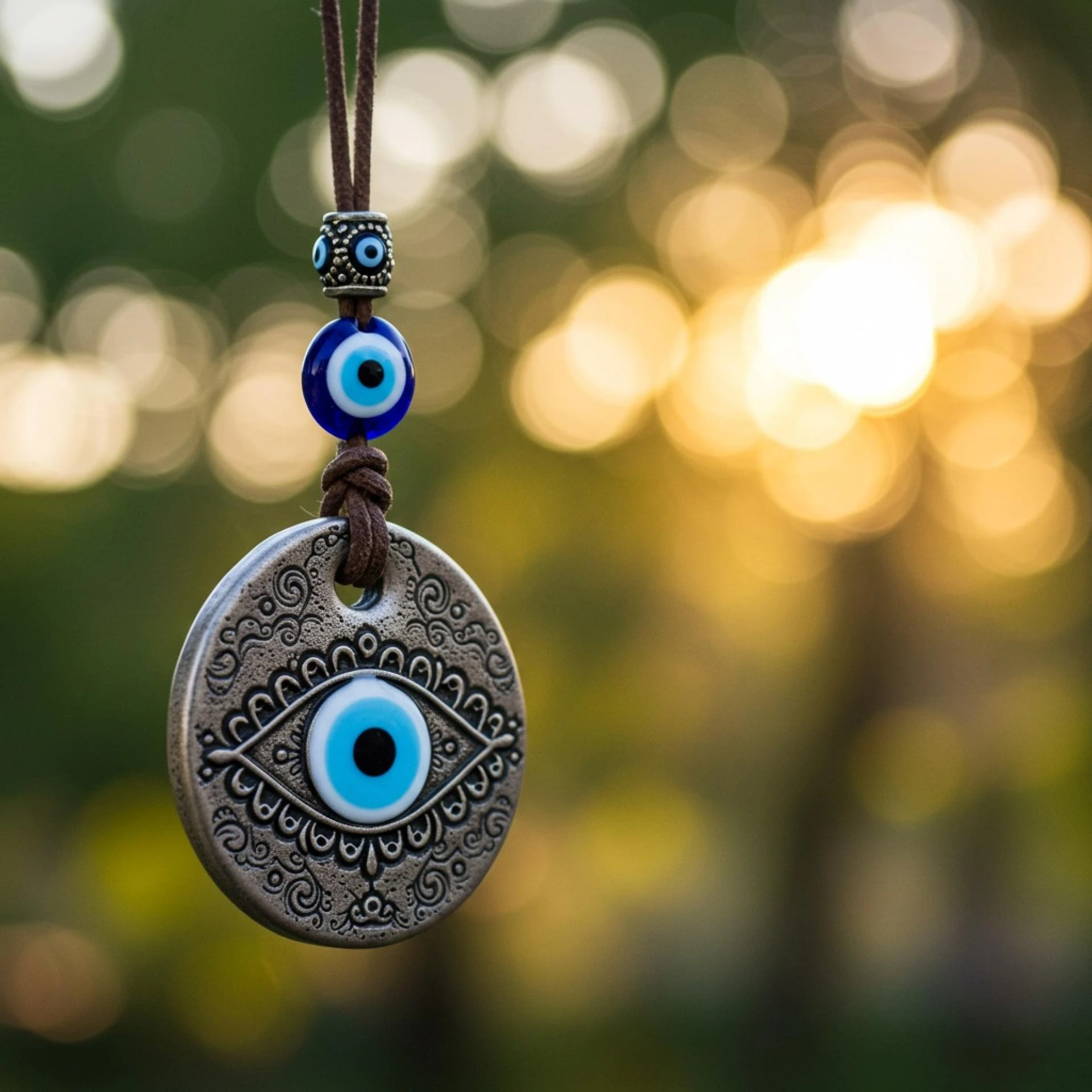
Despite advancements in science and technology, belief in taweez has not disappeared. In modern Iran, objects similar to bazubands—such as amuletic jewelry, engraved rings, and pocket Qurans—are still popular among those seeking protection. Many still fear the Evil Eye (Ayn al-Hasad), a concept that has persisted since ancient Mesopotamian times and was reinforced in Islamic thought through Surat al-Falaq (Quran 113:1–5), which is commonly inscribed on talismanic objects. The psychological comfort offered by taweez cannot be underestimated—whether in the battlefields of the Safavid era or the business offices of contemporary Iran, people continue to believe that written prayers and sacred symbols can influence their destiny.
The Psychological and Cultural Impact of Talismans
For centuries, talismans have played a dual role in Persian society—both as objects of spiritual power and as psychological anchors that provide comfort in uncertain times. From Safavid warriors fastening bazubands to their arms before battle to Qajar merchants carrying Quranic scrolls for luck, taweez were more than just ornamental relics. They embodied a deeply ingrained belief that unseen forces—both benevolent and malevolent—shaped human destiny. Even today, echoes of these beliefs persist, shaping the way people perceive fate, protection, and divine intervention.
The act of wearing a talisman also provided a sense of security and control. Whether a warrior in battle or a mother fearing harm to her child, the physical presence of a talisman served as a reminder of divine protection.
The Safavid dynasty, which established Shiism as the state religion, promoted the production of talismans featuring the names of Ali ibn Abi Talib and the Twelve Imams. This was not merely an act of faith but also a political statement, distinguishing Persian identity from the Sunni-dominated Ottoman Empire.
Even beyond Persia, Persian taweez influenced other cultures. The Ottomans, Mughals, and North African societies adopted similar amuletic traditions, blending Arabic, Persian, and indigenous mystical symbols into their designs. This cross-cultural exchange highlights how talismans transcended their protective role to become artifacts of Persian influence and identity.
Talismans in Contemporary Society
Despite centuries of scientific progress, belief in talismans and amulets remains deeply ingrained in Persian society and beyond. What once adorned the arms of Safavid warriors and the necks of Qajar merchants has now evolved into modern-day charms, protective jewelry, and even digital amulets. The transition from handcrafted Quranic inscriptions on steel bazubands to mass-produced talismanic rings and mobile apps highlights the resilience of these beliefs. Whether through religious faith, cultural heritage, or psychological reassurance, talismans continue to hold a significant place in contemporary life.
Many of the Safavid and Qajar-era talismans, particularly bazubands and amulet cases, have found modern counterparts in silver rings, pendants, and bracelets inscribed with Qur’anic verses, the names of Imams, or magical squares. The same invocations that were once engraved on battlefield amulets are now found on gold and silver jewelry sold in Tehran’s bazaars and online stores.
The amulet cases (ta‘wiz holders), which were traditionally worn as protective charms against the Evil Eye, are still in use today, particularly among devout Shiites in Iran and South Asia. These small taweez, which once contained miniature Qurans, magic squares or inscribed prayers, are now mass-produced and widely available, often incorporating semi-precious stones like carnelian (aqiq), believed to enhance spiritual energy.
In rural Iranian villages, traditional healers and religious figures still prepare handwritten Quranic scrolls similar to those found in Safavid and Qajar bazubands. These scrolls, often enclosed in fabric pouches or metal cases, are believed to protect individuals from illness, financial hardship, and supernatural harm.
The Persians have long associated talismans with specific life events—birth, marriage, travel, and war. These traditions persist today, though in adapted forms. For example, newborns in Iran and Afghanistan are often given tiny Quranic amulets, just as Safavid-era mothers tied protective charms around their infants’ wrists. Similarly, travelers frequently carry small inscribed stones or keychains with verses from Surat al-Falaq and Surat an-Nas, prayers that were commonly found on Qajar talismans.
Even politicians, businessmen, and athletes—figures not typically associated with religious mysticism—continue to rely on protective charms. Many wear engraved rings featuring talismanic phrases, a practice that echoes the Qajar-era belief in protective gemstones. The belief that carnelian rings bring success is so widespread that it has become a common gift for Iranian officials and religious leaders.
The Rise of Digital and Commercialized Talismans
While Safavid and Qajar talismans were traditionally handcrafted and spiritually “activated” by religious scholars, modern talismans have been commercialized and digitized. Islamic bookstores in Tehran, Qom, and Mashhad now sell pre-written amuletic scrolls, machine-printed with Qur’anic verses and magical squares, a stark contrast to the hand-inscribed Safavid-era bazubands.
Perhaps the most striking evolution is the emergence of digital talismans. Mobile applications now allow users to generate protective prayers, scan amulets for authenticity, or even receive virtual “blessings”. Some apps claim to analyze astrological signs before recommending specific talismanic inscriptions, mirroring the Safavid practice of incorporating celestial symbols into amulets.
Online retailers in Iran, Turkey, and the Middle East now offer mass-produced talismanic jewelry, often marketed as “energy protection” accessories. Some of these designs are directly inspired by historical Persian amulets, featuring engraved names of Allah, the Five Pure Ones (Ahl al-Bayt), and geometric protective patterns. Unlike the Qajar-era bazubands, which were ritually inscribed by trained calligraphers, these modern versions are often machine-etched, reducing their personalized mystical significance.
.
Case Studies: Modern Belief in Talismans
Throughout history, Persian rulers have relied on talismanic inscriptions for divine protection and legitimacy. Shah Abbas I (r. 1588–1629 CE), one of the most influential Safavid rulers, commissioned talismanic armor and amulets engraved with Quranic verses and Shiite invocations, believing that such objects granted him divine favor in battle.
It is widely observed that many Iranian politicians, particularly those from religious backgrounds, wear rings with engraved inscriptions—a direct continuation of Qajar-era amuletic rings. The most common gemstones include carnelian (aqiq), turquoise (firuza), and hematite, all of which were used in Safavid and Qajar taweez due to their perceived protective properties. These rings are often gifted by religious leaders as a form of spiritual empowerment, much like how Safavid warriors were given inscribed bazubands before battle.
In Iran, it is common to see professional wrestlers, weightlifters, and football players wearing rings engraved with sacred names or carrying protective charms. Wrestling, a sport with deep roots in Persian tradition, often features competitors who wear amuletic jewelry or inscribed cloth bands around their arms. This practice echoes the bazuband tradition, where warriors wore engraved armlets for physical and spiritual protection. In particular, wrestlers competing in Zurkhaneh (traditional Persian gymnasiums) frequently recite Shiite prayers before matches, mirroring the Safavid practice of invoking Imam Ali before battle.
Additionally, Iranian football players have been observed touching Quranic pendants before entering the field, much like Qajar warriors fastened protective scrolls to their bodies. Some athletes also wear turquoise stones, a historically Persian protective gemstone, which was believed to protect against injuries and the Evil Eye.
Despite the rise of secularism and scientific thought, ordinary Iranians continue to incorporate talismans into their daily lives. The Qajar-era Persian families often kept silver amuletic cases containing Quranic verses in their homes. This practice remains widespread today, with many households displaying framed verses, inscribed stones, or protective banners over their doors.
Pregnant women, much like their Safavid and Qajar predecessors, still seek protective amulets to ensure a safe birth. Historically, women tied Qur’anic scrolls around their waists, believing that divine inscriptions would safeguard both mother and child. Modern equivalents include inscribed jewelry, car-hung taweez, and even baby clothing embroidered with Qur’anic phrases.
Another significant adaptation is the widespread use of car amulets. Iranian taxi drivers and travelers frequently hang taweez from their rearview mirrors, believing that they prevent accidents and misfortune. This is a direct continuation of the Qajar-era practice of carrying protective amulets while traveling.
The Future of Talismans
While scientific rationalism and mass commercialization may alter the form and function of talismans, their cultural, religious, and psychological significance will likely endure. Just as Safavid-era bazubands evolved into Qajar amulet cases, and those cases transformed into modern jewelry and smartphone apps, talismans will continue to adapt to the needs of each era.
At their core, talismans represent more than just objects—they symbolize faith, protection, and the human desire to connect with the divine. Whether in hand-engraved silver or digitized prayer apps, the belief in sacred protection remains as strong as it was in 17th-century Isfahan or 19th-century Tehran. The future of talismans, therefore, is not about disappearance, but about reinvention in an ever-changing world.