Here’s a surprising fact: according to Australian fire authorities, house fires double in risk severity when escape paths are blocked. That’s not meant to alarm you (pun slightly intended), but it raises an important question for Adelaide homeowners upgrading to smart technology.
If you’ve installed roller shutters in Adelaide that homeowners trust for insulation and security, you might be wondering just how much protection and noise reduction they actually deliver. What happens during a fire emergency? Do smart roller shutters automatically open when smoke is detected?
The short answer? Sometimes — but only if they’re designed and configured to do so.
Let’s unpack how it works, what’s possible, and what you should check in your own setup.
Do Smart Roller Shutters Automatically Open During a Fire?
Not by default.
Standard electric roller shutters operate via wall switches, remotes, or apps. They don’t automatically retract when a smoke alarm goes off unless they’re integrated into a broader smart home or fire safety system.
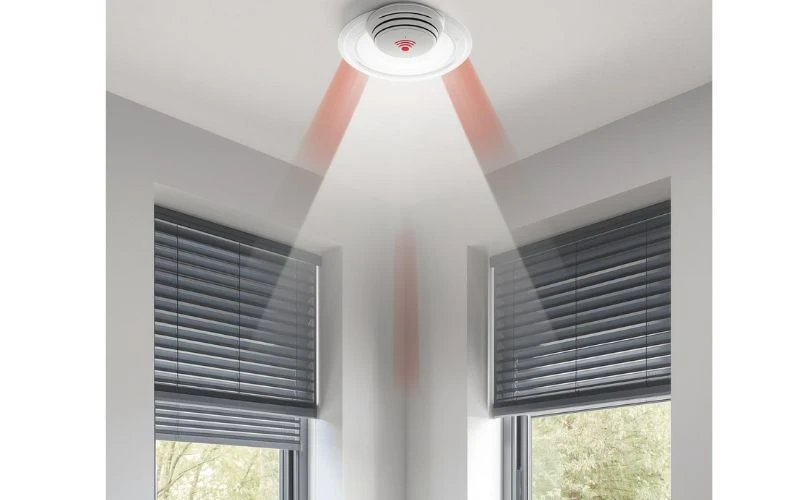
Think of it like this: a smoke alarm and a shutter motor are two separate systems. For them to “talk” to each other, you need a smart integration layer — typically a hub or automation controller.
Without that connection, your shutters will stay exactly where they are when an alarm sounds.
How Can Roller Shutters Be Linked to Smoke Alarms?
Interestingly, newer smart home systems allow automation triggers. This means:
If smoke is detected → shutters can automatically retract.
Here’s how it works step by step:
- Put in smoke alarms that are connected to each other (hardwired or smart-enabled).
- Link shutters to a smart controller or a hub for home automation.
- Create an automation rule in your smart system:
- Trigger: Smoke alarm activated
- Action: Raise shutters
4. Test the system regularly to ensure functionality.
In homes installed with security shutter in Adelaide, this setup adds both safety and convenience. Meanwhile, it ensures exit points are clear in an emergency.
An easy way to think about it? You’re programming your home to respond intelligently when seconds matter.
Is It Required by Australian Building Regulations?
Currently, Australian standards require compliant smoke alarms in residential properties. However, automatic shutter retraction is not universally mandated in private homes.
That said, in commercial buildings and certain multi-residential properties, fire safety compliance may require fail-safe mechanisms for motorised barriers.
If you’re unsure, check:
- Local council guidelines
- Your property’s fire safety compliance requirements
- Installation standards under the National Construction Code (NCC)
Safety isn’t just about meeting minimum standards. It’s about practical escape planning.
What Happens If the Power Goes Out During a Fire?
Good question — and an important one.
In many house fires, the power may trip. If your shutters rely solely on mains electricity, they may not respond.
Solutions include:
- Battery backup motors
- Manual override systems
- Fire-rated fail-safe motors
- Smart systems connected to UPS (Uninterruptible Power Supply)
Meanwhile, modern installations often combine shutters with alarm systems, smart locks, and even garages that automatically unlock during emergencies.
It’s not just about retraction — it’s about coordinated exit access.
Can Smart Shutters Work With Other Safety Devices?
Yes — and this is where homes are evolving fast.
New-generation setups often integrate:
- Cameras and video doorbells
- Smart locks and garage systems
- Alarm systems
- Hubs and routers (mesh Wi-Fi networks and smart home bridges)
When connected through a central automation hub, these systems can respond together.
For example:
- Smoke detected → shutters retract
- Alarm triggered → smart locks disengage
- Emergency mode → garage door opens
Interestingly, layered automation reduces reliance on human reaction time. And during emergencies, that matters.
How Do You Know If Your Shutters Support Automation?
Ask these practical questions:
Are they motorised or manual?
Do they support Wi-Fi, Zigbee, Z-Wave, or similar protocols?
Is there a compatible smart home hub?
Does the motor include fail-safe or fire mode options?
If you already installed an Adelaide roller shutter, retrofitting may be possible. However, older systems might require motor upgrades.
An easy way to assess? Have a licensed installer review compatibility and safety compliance.
Should You Automate Shutter Retraction?
It depends on your layout.
Consider automation if:
- Shutters cover the main exits
- Shuttered windows are needed in bedrooms
- You use shutters for full blackout at night
- You want layered smart home integration
Meanwhile, if shutters are installed only on non-exit windows, automation may be less critical.
Always make sure that clear escape routes are a top priority when planning for fire safety.
Practical Takeaway: Smart Safety Checklist
If you want peace of mind, here’s what to do next:
✔ Make sure the smoke alarms are working and connected to each other.
✔ See if the shutters have motors.
✔ Find out if the motors can work with smart automation.
✔ Add a battery backup or a manual override.
✔ Check emergency automation twice a year
✔ Work with alarm systems and smart hubs
✔ Go over evacuation routes with your family
Smart homes aren’t just about convenience. They’re about response.
With the right setup, your shutters don’t just protect against weather and intruders — they become part of a coordinated safety system that works when you need it most.