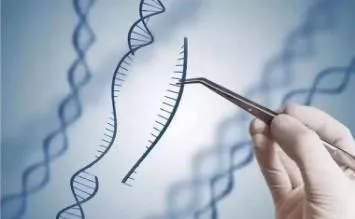
DNA sequencing has become one of the most transformative technologies in modern science. From understanding genetic disorders to advancing personalized medicine, the process of decoding DNA has revolutionized biology, healthcare, and even agriculture. In this blog post, we will explore what DNA sequencing is, how it works, its types, and why it plays such a critical role in today’s world.
What is DNA Sequencing?
DNA sequencing is the process of determining the exact order of nucleotides—adenine (A), thymine (T), cytosine (C), and guanine (G)—in a DNA molecule. This sequence forms the genetic blueprint of an organism, carrying instructions necessary for growth, development, and functioning.
Understanding the DNA sequence allows scientists to identify genetic variations, detect mutations, and study how genes influence traits and diseases. With advancements in sequencing technology, this once complex and time-consuming process has become faster, more accurate, and cost-effective.
Types of DNA Sequencing Methods
There are several DNA sequencing techniques, each with unique advantages and applications:
1. Sanger Sequencing
Also known as the chain-termination method, Sanger sequencing is one of the earliest techniques developed. It is highly accurate and is still used for small-scale projects and validation of results.
2. Next-Generation Sequencing (NGS)
Next-generation sequencing has revolutionized the field by allowing millions of DNA fragments to be sequenced simultaneously. This high-throughput DNA sequencing method is widely used in genomics research, clinical diagnostics, and cancer studies.
3. Third-Generation Sequencing
This includes advanced technologies like single-molecule sequencing, which enables real-time DNA analysis. These methods are faster and can read longer DNA sequences, making them ideal for complex genomic studies.
How DNA Sequencing Works
The DNA sequencing process generally involves several key steps:
- DNA Extraction: DNA is isolated from cells or tissues.
- Library Preparation: The DNA is fragmented and prepared for sequencing.
- Sequencing: Machines determine the order of nucleotides.
- Data Analysis: Bioinformatics tools analyze the sequence data and interpret results.
Modern DNA sequencing technologies rely heavily on automation and computational tools, making the process efficient and scalable.
Applications of DNA Sequencing
DNA sequencing has a wide range of applications across multiple fields:
1. Medical Research and Diagnostics
DNA sequencing helps identify genetic mutations responsible for diseases such as cancer, diabetes, and rare genetic disorders. It also plays a crucial role in developing targeted therapies and personalized medicine.
2. Forensic Science
In forensic investigations, DNA sequencing is used to identify individuals based on genetic evidence. This has become an essential tool in solving crimes and establishing biological relationships.
3. Agriculture and Food Safety
Sequencing helps improve crop yield, detect pathogens, and enhance resistance to diseases. It also ensures food safety by identifying contaminants and tracing food sources.
4. Evolutionary Biology
Scientists use DNA sequencing to study evolutionary relationships between species, helping us understand biodiversity and the history of life on Earth.
5. Infectious Disease Research
During outbreaks, DNA sequencing is used to identify pathogens, track mutations, and develop vaccines. It has been especially important in managing global health crises.
Advantages of DNA Sequencing
- High Accuracy: Modern sequencing techniques provide precise genetic information.
- Speed: Advanced methods can sequence entire genomes in a short time.
- Cost-Effective: The cost of DNA sequencing has decreased significantly over the years.
- Wide Applications: It is used in healthcare, research, agriculture, and more.
Challenges and Limitations
Despite its many benefits, DNA sequencing also comes with challenges:
- Data Complexity: Large volumes of data require advanced analysis tools.
- Ethical Concerns: Issues related to genetic privacy and data security are growing.
- Technical Limitations: Some sequencing methods may have errors or limitations in reading certain DNA regions.
Future of DNA Sequencing
The future of DNA sequencing looks promising, with continuous advancements in technology. Innovations such as portable sequencing devices and AI-driven analysis are making DNA sequencing more accessible and efficient. These developments will likely lead to breakthroughs in disease prevention, drug development, and precision medicine.
Conclusion
DNA sequencing is a powerful tool that has transformed our understanding of genetics and biology. From decoding the human genome to advancing medical research, its impact is undeniable. As technology continues to evolve, DNA sequencing will play an even more significant role in shaping the future of science and healthcare.
By understanding the fundamentals of DNA sequencing and its applications, we can better appreciate how this technology is driving innovation and improving lives across the globe.