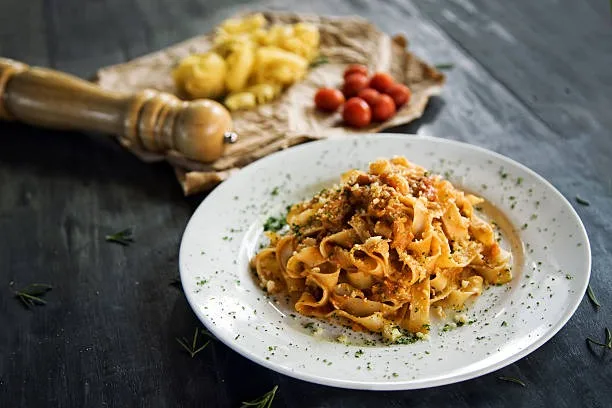
Culinary traditions can remain relevant even as tastes and dining habits change. Neapolitan Pizza has demonstrated this enduring appeal by maintaining its recognizable preparation while inspiring countless contemporary variations. Its thin center, elevated crust, fresh toppings, and rapid baking process create an experience that feels both traditional and accessible. The style also fits naturally into modern social dining, where guests often value fresh ingredients, shareable dishes, and relaxed environments. An Italian Restaurant can bring these qualities together by presenting classic pizza alongside complementary foods and a welcoming atmosphere.
Tradition Begins With The Dough
Dough determines much of a pizza's personality. With traditional preparation, the goal is not to create a thick, bread-like foundation but a base that can become thin in the middle while developing a light, structured edge. Fermentation plays a significant role in achieving this texture.
The dough also needs careful handling. Excessive pressure can remove some of the structure developed during fermentation, while uneven shaping may produce inconsistent thickness. A gentle approach helps preserve the qualities needed for high-temperature baking. The result is a foundation that can support toppings without becoming unnecessarily heavy.
Fresh Ingredients Create Natural Contrast
Flavor contrast is central to a satisfying pizza. Tomato can contribute acidity and sweetness, cheese provides richness, and herbs offer fragrance. Additional toppings can add savory, earthy, spicy, or fresh notes depending on the combination.
The goal is not necessarily to maximize the number of ingredients. Instead, thoughtful selection can create a more balanced experience. Diners interested in traditional methods can enjoy Neapolitan Pizza as a style where the crust and toppings work together rather than competing for attention.
How Modern Diners Are Rediscovering Classic Methods
Contemporary food culture often celebrates traditional techniques because they provide a sense of authenticity and craftsmanship. Diners may be curious about how familiar foods were originally prepared and why certain methods produce specific results.
Pizza is especially suitable for this exploration because its ingredients are familiar. Once diners understand the role of fermentation, high heat, and ingredient balance, they can appreciate why traditional preparation tastes different from heavily topped alternatives. This knowledge can make an ordinary dinner feel more educational without making it formal.
The Value Of A Relaxed Dining Environment
The surroundings can influence how food is enjoyed. An Italian Restaurant with a comfortable atmosphere can encourage guests to slow down, share dishes, and spend more time at the table. This can be particularly valuable during gatherings where conversation is as important as the food.
A relaxed environment also gives diners the opportunity to explore the menu. Instead of rushing through a single course, guests can begin with an appetizer, enjoy pizza as the main dish, and finish with dessert. The entire meal becomes more varied and memorable.
Pairing Pizza With Different Flavors
Pizza can be paired with a range of dishes because its flavors are versatile. Fresh salads can provide a crisp contrast to melted cheese, while roasted vegetables can add depth. Light appetizers can prepare the palate without overwhelming the main course.
Desserts can provide another contrast. After savory flavors, something creamy, fruity, or lightly sweet can create a satisfying finish. Thoughtful pairing allows diners to experience several textures and flavors during one meal while keeping the pizza at the center.
Why Craftsmanship Still Matters
In an age of convenience, handmade preparation can offer a meaningful difference. Craftsmanship requires attention at every stage, including ingredient selection, dough fermentation, shaping, topping, and baking. Each decision contributes to the finished pizza.
This attention does not mean the food needs to feel formal or complicated. In fact, traditional pizza is often appealing because it remains approachable. Diners can understand the ingredients while still appreciating the skill required to bring them together. That combination of familiarity and craftsmanship helps the style remain relevant.
Conclusion
Neapolitan Pizza continues to attract diners because it combines a straightforward ingredient philosophy with detailed preparation techniques. Fermented dough, fresh toppings, high-temperature baking, and balanced flavors create a distinctive experience without unnecessary complexity. Modern diners can enjoy the style casually while also appreciating the traditions behind it. When served in a comfortable Italian Restaurant alongside complementary dishes, traditional pizza becomes part of a broader dining experience that celebrates freshness, craftsmanship, sharing, and timeless culinary ideas.