
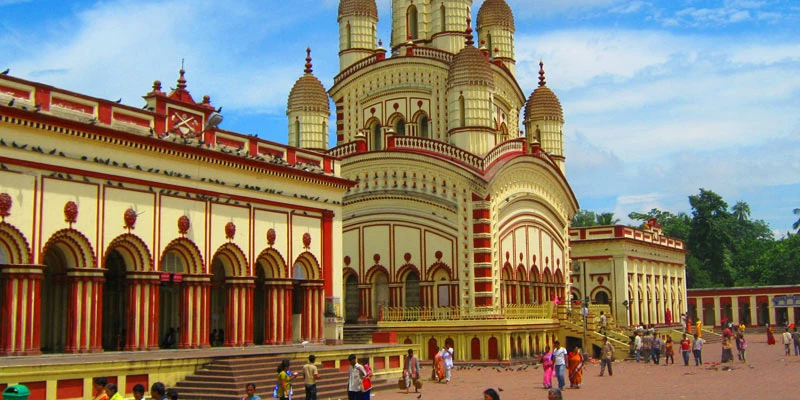
Shaktipeeths are among the most revered pilgrimage sites in Hindu tradition, representing the immense spiritual power of Goddess Shakti. These sacred places are deeply rooted in ancient mythology and are visited by millions of devotees seeking blessings, peace, and divine connection. The significance of Shaktipeeths comes from the legend of Goddess Sati and Lord Shiva, which forms the foundation of their spiritual importance.
According to Hindu mythology, Goddess Sati, the consort of Lord Shiva, sacrificed herself in the fire of a yagna after her father, King Daksha, insulted Shiva. Overcome with grief and anger, Lord Shiva carried Sati’s body across the universe. To restore balance, Lord Vishnu used his Sudarshan Chakra to cut her body into pieces, which fell at various locations across the Indian subcontinent. These places became known as Shaktipeeths, each associated with a specific body part or ornament of the goddess.
Today, there are 51 recognized Shaktipeeths spread across India, Nepal, Bangladesh, and Pakistan. Each Shaktipeeth is dedicated to a different form of Goddess Shakti and is accompanied by a Bhairava, a form of Lord Shiva. These temples are not only centers of devotion but also hold immense cultural and historical value. Some of the most famous Shaktipeeths include Kamakhya Temple in Assam, Kalighat Temple in Kolkata, and Vaishno Devi in Jammu.
Visiting a Shaktipeeth is considered a spiritually uplifting experience. Devotees believe that these sacred sites radiate divine energy that helps cleanse the mind and soul. Rituals, prayers, and festivals celebrated at these temples create a vibrant spiritual atmosphere that attracts pilgrims from all walks of life. Navratri, in particular, is one of the most important festivals celebrated at Shaktipeeths, where devotees worship the goddess with great devotion and enthusiasm.
Each Shaktipeeth has its own unique story, architectural style, and religious practices. From hilltop temples surrounded by nature to ancient shrines located in bustling cities, these sites offer a diverse spiritual journey. Pilgrims often undertake long journeys to visit multiple Shaktipeeths, believing that doing so brings them closer to divine blessings and fulfillment of their wishes.
In addition to their religious importance, Shaktipeeths are also significant from a tourism perspective. They attract visitors who are interested in history, culture, and spirituality. Exploring these temples allows one to experience the rich heritage and traditions of India while also enjoying scenic landscapes and local cultures.
In conclusion, Shaktipeeths are not just places of worship but powerful symbols of faith, devotion, and divine feminine energy. Whether you are a spiritual seeker or a traveler looking to explore India’s sacred heritage, visiting these holy sites offers a deeply enriching and transformative experience.