
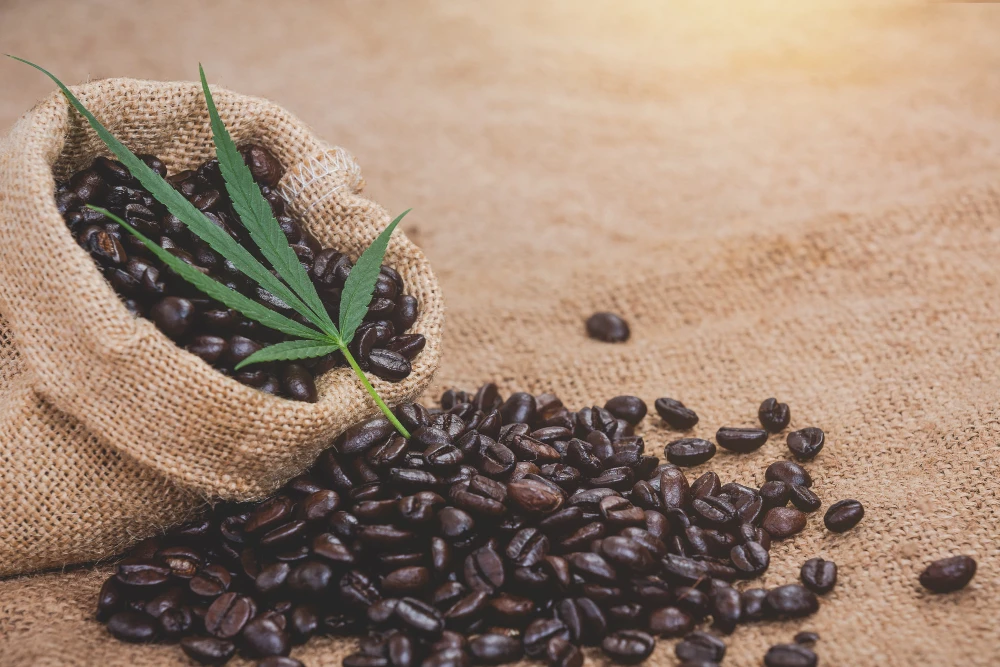
For many, coffee is more than a beverage it's a moment of peace, a morning ritual, a spark of energy, or a social experience. But not all coffee is created equal. As more consumers become mindful of what they consume, organic coffee is rapidly gaining popularity for its purity, sustainability, and exceptional taste. Whether you're brewing a fresh pot at home or reaching for a convenient cup of organic instant coffee, there's a noticeable difference in every sip.
Organic coffee isn’t just a buzzword or a fleeting trend it’s a meaningful choice with real implications for your health, the environment, and the communities that grow your beans. If you've ever searched for "organic coffee near me," you're not alone. More people are choosing organic coffee not only for its superior flavor but also for the values it represents.
In this article, we explore what sets organic coffee apart, why it tastes better, and how choosing organic makes a difference in your daily life and the world around you.
What Makes Coffee ‘Organic’?
Organic coffee is grown without the use of synthetic fertilizers, pesticides, herbicides, or genetically modified organisms (GMOs). This means that from the soil to your cup, the coffee has been cultivated using natural processes that promote ecological balance and biodiversity.
To earn an official organic certification, coffee farms must adhere to strict agricultural practices. These include:
- Using compost and organic matter to fertilize the soil
- Implementing natural pest control methods
- Avoiding synthetic chemicals entirely
- Practicing crop rotation and shade-growing to preserve soil health
Organic coffee farmers often go beyond just farming practices—they are also more likely to engage in ethical labor practices, ensure safe working conditions, and support local communities. These values contribute to a more transparent, responsible coffee supply chain.
Taste the Organic Difference
One of the most compelling reasons to switch to organic coffee is its flavor. Many coffee enthusiasts describe organic coffee as smoother, richer, and more complex than conventional options. This isn’t just a matter of perception—there are several reasons why organic coffee tends to taste better:
- Healthier Soil: Nutrient-rich soil directly affects the taste of the coffee beans. Organic practices maintain or improve soil quality, which leads to more flavorful beans.
- Slow Growth Process: Organic coffee is often shade-grown, which allows beans to ripen more slowly. This extended maturation time enhances the development of sugars and flavor compounds.
- Small-Batch Production: Many organic coffee farms focus on quality over quantity, leading to better harvesting techniques and careful bean selection.
- Fewer Contaminants: Without chemical residues, the true character of the coffee shines through.
Whether you're brewing a pour-over at home or trying organic instant coffee for convenience, the difference in quality and taste is immediately noticeable.
Health Benefits of Organic Coffee
The benefits of organic coffee extend beyond your taste buds. Because it’s produced without harmful chemicals, organic coffee is considered a healthier option for daily consumption. Here’s how it supports your well-being:
- Reduced Chemical Exposure: Conventional coffee is one of the most chemically treated crops in the world. Organic coffee eliminates that risk, offering a cleaner alternative for those concerned about long-term exposure.
- Higher Antioxidant Levels: Coffee is a major source of antioxidants, and some studies suggest that organically grown coffee may contain higher concentrations, thanks to the healthier farming practices used.
- Better for Sensitive Stomachs: Some coffee drinkers experience acid reflux or digestive discomfort with conventional coffee. Organic coffee, with its reduced acidity and cleaner profile, is often easier on the stomach.
- Natural Energy Boost: With no artificial additives or chemical residues, organic coffee delivers a more stable, balanced energy lift.
The Rise of Organic Instant Coffee
In the past, instant coffee had a reputation for being low in quality and lacking flavor. But the emergence of organic instant coffee is changing that narrative. With improvements in freeze-drying and brewing technologies, today’s organic instant coffee options offer a surprisingly satisfying taste.
Organic instant coffee is made from the same high-quality beans as fresh-ground varieties and is processed in a way that retains the bean’s natural flavor and aroma. It’s an ideal option for:
- Busy professionals who need coffee on-the-go
- Travelers and campers who want a quick brew without compromising quality
- Anyone who appreciates the convenience of instant coffee without sacrificing health or taste
If you’ve written off instant coffee in the past, it’s worth giving organic instant coffee a second chance. You might be surprised by how much it resembles a freshly brewed cup.
Looking for Organic Coffee Near You?
The increasing demand for organic coffee has made it more accessible than ever. Whether you're seeking beans, ground coffee, or ready-to-drink options, a quick search for "organic coffee near me" can connect you with a variety of options:
- Local Cafés: Many specialty coffee shops are now proudly serving organic blends. Visiting these cafés is also a great way to support local businesses committed to sustainability.
- Health Food Stores and Co-ops: Stores focused on natural and organic products often carry a wide selection of certified organic coffee.
- Farmer’s Markets: Small-batch roasters frequently sell their products directly to consumers at local markets.
- Online Retailers: For those who prefer shopping from home, numerous online retailers specialize in organic and fair-trade coffee. Look for reputable brands with certifications like USDA Organic and Fair Trade.
By choosing organic coffee near you, you're also helping build a local network of sustainable coffee lovers and contributing to a more ethical marketplace.
Environmental Benefits of Organic Coffee
Organic coffee doesn’t just benefit your body—it’s also a choice that respects and preserves the environment. Here’s how:
- Supports Soil Health: Organic farming practices enhance the quality of the soil, making it more resilient to erosion and better able to support plant life.
- Promotes Biodiversity: Shade-grown organic coffee provides habitat for birds and insects, helping maintain ecological balance.
- Protects Water Sources: Without synthetic pesticides and fertilizers, there's less risk of contaminating nearby rivers, lakes, and groundwater.
- Reduces Carbon Footprint: Organic farming methods are generally more energy-efficient and produce fewer greenhouse gas emissions.
Choosing organic coffee is a way to ensure your daily habit supports global environmental goals.
Is Organic Coffee Worth the Price?
Organic coffee is often priced higher than its conventional counterparts—but with good reason. You’re paying not just for a cup of coffee, but for:
- Safer farming practices
- Ethical labor treatment
- Superior flavor and quality
- A healthier product
- Environmental stewardship
When you factor in these benefits, the value of organic coffee becomes clear. It's not just a purchase—it's an investment in your health, your community, and the planet.
Final Thoughts: Every Sip Matters
The next time you reach for your morning brew, think about the journey your coffee has taken. From the soil in which it was grown to the method used to bring it to your cup, every decision along the way impacts the final product. Organic coffee stands out for its integrity, quality, and care—something you can taste and feel with every sip.
Whether you’re discovering new local roasters through an “organic coffee near me” search or simplifying your routine with high-quality organic instant coffee, switching to organic is a simple change that offers lasting benefits.
So go ahead—make the switch. Savor the difference. Because when it comes to coffee, clean really does taste better.