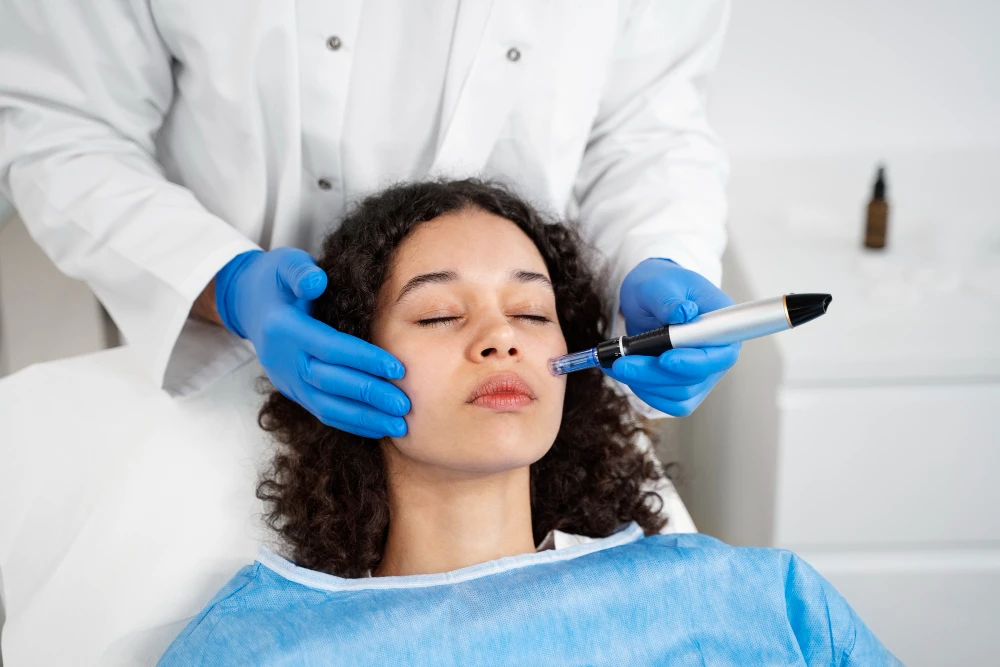
Microneedling has become one of the most popular skin rejuvenation treatments in the United Kingdom. But is it suitable for everyone? This minimally invasive procedure stimulates collagen production, improves skin texture, and addresses a variety of skin concerns. Whether you’re struggling with fine lines, acne scars, or uneven skin tone, understanding which skin types benefit the most is essential before booking a session. Let’s explore the ideal candidates for this transformative procedure.
1. Normal Skin
People with normal skin can enjoy excellent results from microneedling. This skin type has balanced moisture and oil levels, making it responsive to collagen stimulation. Microneedling treatment in the United Kingdom can enhance the skin’s natural glow and texture, giving it a healthier and more youthful appearance. Normal skin often requires fewer sessions for noticeable results, and recovery tends to be smooth with minimal irritation.
2. Dry or Dehydrated Skin
Dry skin often lacks natural hydration and elasticity, which can contribute to fine lines and a dull complexion. Microneedling can help improve hydration absorption by allowing topical serums to penetrate deeper into the skin. People with dry skin can notice improved texture and firmness after treatment. Regular sessions combined with a good skincare routine can significantly boost moisture retention and overall skin health.
3. Oily or Combination Skin
Oily and combination skin types can also benefit from microneedling. This treatment can help reduce enlarged pores, minimize excess sebum production, and improve overall skin clarity. By stimulating collagen production, microneedling treatment helps balance the skin’s texture and reduce the appearance of acne scars. Those with combination skin may see the most noticeable improvements in areas prone to oiliness, such as the T-zone.
4. Skin with Scars or Hyperpigmentation
One of the most common reasons people seek microneedling is to address acne scars, stretch marks, or pigmentation irregularities. The procedure encourages natural healing, resulting in smoother, more even-toned skin over time. A consultation with a professional cosmetic doctor clinic is recommended to assess the severity of scars and determine the most effective treatment plan for optimal results.
5. Sensitive Skin
Sensitive skin can be more reactive to invasive procedures. However, microneedling can still be performed safely under professional supervision. Using shorter needles and proper numbing agents can reduce discomfort and minimize the risk of irritation. Individuals with sensitive skin should ensure the treatment is done by a licensed practitioner to avoid adverse reactions.
Tips for Choosing Microneedling
- Consult a professional: Always discuss your skin concerns with a qualified specialist before starting treatment.
- Check skin health: Avoid microneedling if you have active infections, eczema, or psoriasis flare-ups.
- Follow aftercare instructions: Proper post-treatment care ensures faster healing and better results.
- Combine treatments wisely: Microneedling can be paired with serums and laser therapies for enhanced outcomes.
Microneedling treatment in the United Kingdom is versatile and can benefit a variety of skin types, provided it is performed by experienced professionals. Understanding your skin type and consulting a cosmetic doctor clinic will help you achieve the best possible results while maintaining healthy, radiant skin. With proper care and professional guidance, microneedling can be a game-changer in your skincare routine.