
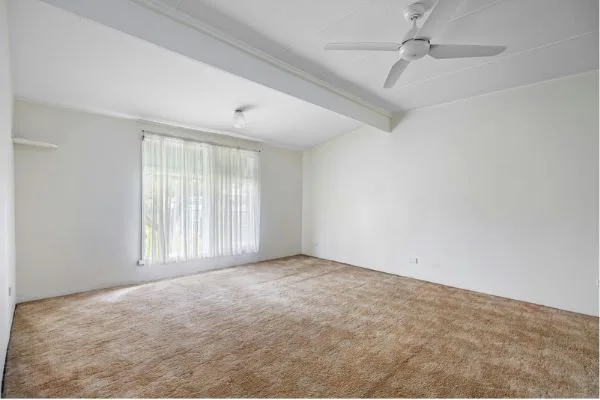
Choosing the right fan can make a noticeable difference in everyday comfort, especially in places where temperatures remain high for several months. A direct current fan (DC fan) is a popular option for people looking for efficient cooling, quieter operation, and better control over airflow. Unlike conventional fans that use alternating current (AC) motors, DC fans operate using direct current technology, which can help reduce electricity consumption.
Whether you are upgrading an existing ceiling fan or furnishing a new home, understanding how DC fans work can help you make a more informed purchase.
What Is a Direct Current Fan?
A direct current fan is a cooling appliance powered by a DC motor. It uses electronic controls to regulate motor speed and airflow according to the selected settings. This technology allows the fan to operate efficiently while providing different speed options.
Many modern DC ceiling fans also come with remote controls, sleep modes, and programmable settings. These features make them suitable for bedrooms, living rooms, study areas, and other indoor spaces.
Why Are DC Fans Becoming a Popular Choice?
The growing interest in energy-conscious home appliances has increased demand for DC motor fans. Here are some reasons homeowners consider this technology.
1. Lower Electricity Consumption
One of the main advantages of a DC fan is its energy-efficient motor. It generally consumes less electricity than a comparable traditional AC fan, depending on the model, size, and operating speed. This can help households manage their monthly electricity expenses.
2. Quiet Performance for Everyday Comfort
DC motor fans are often designed to produce less operating noise. This makes them a suitable choice for bedrooms, reading corners, and work-from-home spaces where a quieter environment is preferred.
3. Flexible Speed Settings
Different activities require different levels of airflow. Many DC fans offer multiple speed levels, allowing users to adjust cooling according to room conditions and personal comfort.
4. Convenient Remote Control Operation
Several models include remote controls that let users change fan speeds, switch the appliance on or off, and select additional functions without reaching for a wall switch.
5. Modern Designs for Contemporary Interiors
DC ceiling fans are available in different blade styles, finishes, and sizes. Their modern appearance can complement minimalist, contemporary, and traditional interior designs.
Where Can You Install a Direct Current Ceiling Fan?
Selecting the right location helps improve airflow and overall comfort.
- Bedroom: Choose a quiet model with adjustable speeds for comfortable sleeping.
- Living Room: Consider a fan with sufficient airflow to circulate air across the seating area.
- Dining Area: A well-positioned ceiling fan can improve air movement during meals.
- Home Office: Select a low-noise model that supports a comfortable working environment.
- Study Room: Adjustable airflow can help maintain a pleasant atmosphere while reading or studying.
DC Fan vs Traditional AC Fan: What Is the Difference?
Understanding the differences between these two motor technologies can make your buying decision easier.
FeatureDC FanAC FanMotor technologyDirect currentAlternating currentEnergy efficiencyGenerally higherVaries by modelOperating noiseOften quieterDepends on designSpeed controlOften offers more settingsMay have fewer settingsInitial priceCan be higherOften more affordableFeaturesFrequently includes advanced controlsDepends on modelBoth types can provide effective cooling. The better option depends on your electricity usage, budget, preferred features, and installation requirements.
Important Factors to Consider Before Buying a DC Fan
Before selecting a direct current fan, evaluate a few practical features.
Room Size: Check the recommended room coverage and blade diameter to ensure sufficient airflow.
Motor Quality: Look for a reliable motor with good performance specifications and a suitable warranty.
Energy Rating: Compare the fan's wattage and estimated electricity consumption rather than relying only on marketing claims.
Control Options: Decide whether you prefer a remote control, wall control, timer, or smart connectivity.
Installation Requirements: Check ceiling height, mounting compatibility, and electrical requirements before purchasing.
Maintenance: Choose a design that allows convenient blade cleaning and routine maintenance.
Is a Direct Current Fan Worth Buying?
A DC fan can be a worthwhile investment for homeowners who regularly use ceiling fans and want to reduce electricity consumption. Although some models have a higher upfront cost, their energy-efficient operation may provide savings over time.
However, the actual benefit depends on how frequently the fan is used, its power consumption, and the electricity tariff. Comparing product specifications and warranty coverage can help you identify a model that offers good long-term value.
Conclusion
A direct current fan combines modern motor technology with practical cooling features. Its energy-efficient performance, adjustable speed settings, and potentially quieter operation make it an attractive alternative to conventional ceiling fans. By considering room dimensions, airflow requirements, motor quality, and available features, you can select a fan that supports both everyday comfort and efficient household energy use.
Frequently Asked Questions (FAQs)
1. What is the main advantage of a direct current fan?
The main advantage is its energy-efficient motor, which generally uses less electricity than comparable traditional AC fan models.
2. Do DC ceiling fans consume less electricity?
Yes, many DC ceiling fans consume less power than conventional AC fans. However, actual consumption varies depending on the model and speed setting.
3. Are direct current fans suitable for bedrooms?
Yes. Many DC fans operate quietly and offer adjustable speeds, making them suitable for bedroom use.
4. Can a DC fan operate with a remote control?
Yes. Many modern models include remote controls for adjusting speed, setting timers, and accessing additional functions.
5. Are DC fans more expensive than traditional fans?
DC fans can have a higher initial purchase price because of their motor technology and additional features. However, their lower energy consumption may help offset the upfront cost over time.
6. How do I choose the right DC ceiling fan size?
Consider your room dimensions, ceiling height, blade diameter, and the manufacturer's recommended coverage area before selecting a fan.