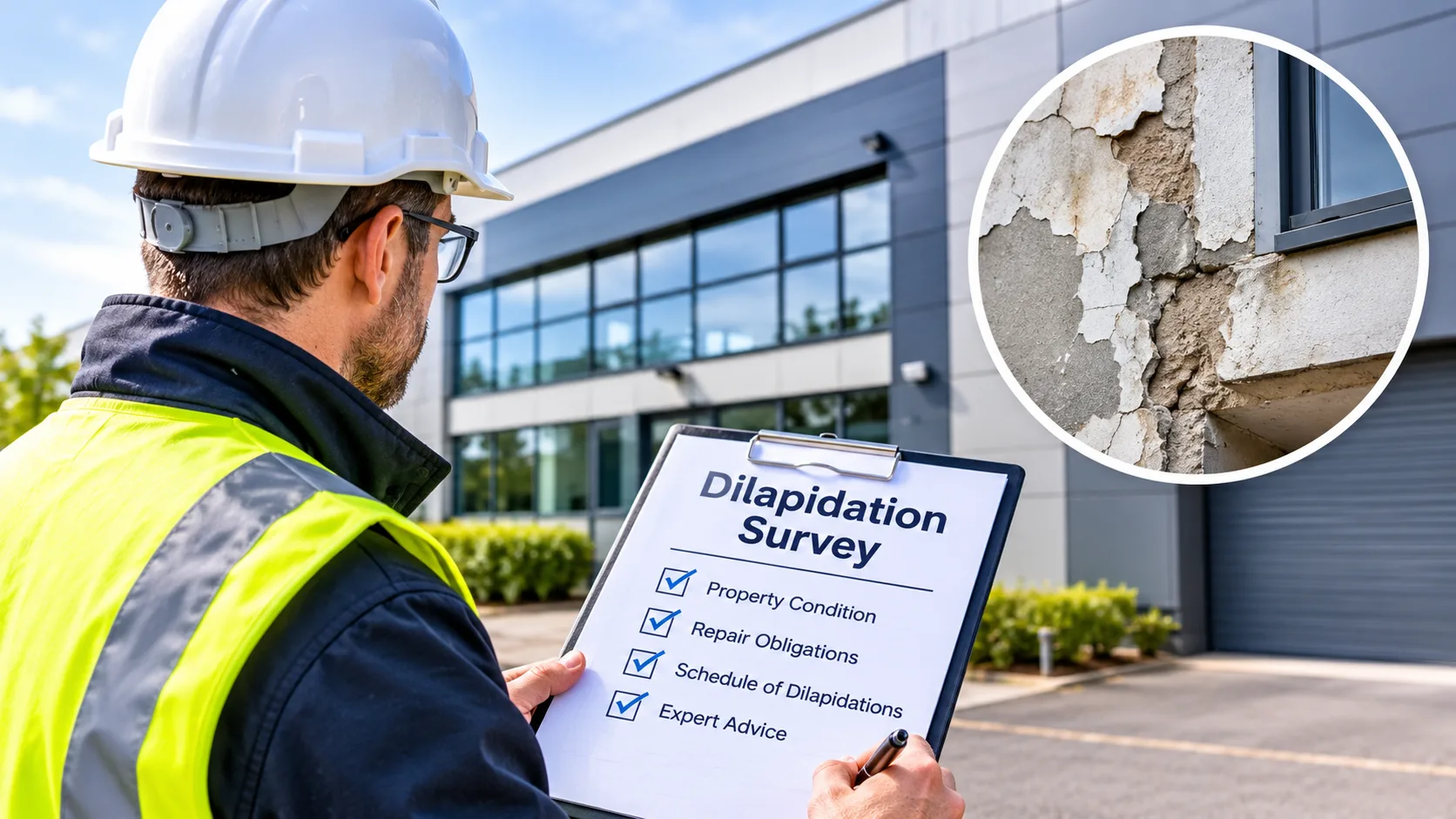
Commercial property leases often include obligations relating to repairs, maintenance, reinstatement, and the condition in which a property must be returned. When a lease approaches its end, disagreements can arise over the extent of required works and the associated costs. Dilapidation specialists can provide professional advice to help landlords and tenants understand these obligations and deal with property condition issues more effectively.
What Are Dilapidations?
Dilapidations generally relate to breaches of a tenant's obligations under a commercial lease. These may include failures to repair the property, maintain it properly, decorate where required, or remove alterations and reinstate the premises.
The financial impact can be significant, particularly where a property has been occupied for many years or has undergone substantial alterations. Understanding potential liabilities early can therefore help both parties plan their next steps.
What Do Dilapidation Specialists Do?
Dilapidation specialists use their surveying and property knowledge to assess the condition of a building against the relevant lease obligations. Their work may include inspecting the premises, identifying potential breaches, reviewing lease documentation, and preparing or assessing schedules of dilapidations.
For tenants, professional advice can help identify areas of potential liability and provide a clearer understanding of the works that may be required. For landlords, specialist surveying advice can help establish the condition of the property and document relevant breaches.
Why Should Tenants Seek Professional Advice?
Tenants may not always realise the extent of their repairing and reinstatement responsibilities until a lease is approaching expiry. Leaving the assessment until the last minute can make it more difficult to plan works or negotiate effectively.
A dilapidation survey can identify potential issues before the lease ends. This gives tenants an opportunity to consider whether works should be carried out, whether costs can be controlled, and whether professional advice should be obtained before responding to a landlord's claims.
How Can Landlords Benefit?
Landlords also need accurate information when assessing a property's condition. A professional survey can help identify relevant breaches and provide evidence to support a schedule of dilapidations.
Specialist advice can also assist landlords in understanding the practical implications of proposed repairs and reinstatement works. Clear documentation can make discussions with tenants more structured and help both parties focus on the issues that actually require resolution.
When Should a Dilapidation Assessment Be Arranged?
There is no single point at which every tenant or landlord should obtain a dilapidation assessment. However, professional advice can be useful:
- Before entering into a commercial lease
- During the lease term
- Before carrying out significant alterations
- Several months before lease expiry
- When a landlord issues a schedule of dilapidations
- During negotiations over repair or reinstatement costs
- When a lease is being renewed or surrendered
Early advice can provide more time to investigate issues and consider available options.
Common Issues Identified During Dilapidation Surveys
The condition of each property will vary, but a survey may identify concerns such as:
- Roof and external defects
- Damaged walls, ceilings, and floors
- Defective doors and windows
- Poor decoration
- Damaged fixtures and fittings
- Alterations requiring reinstatement
- External works and landscaping issues
- Defects affecting building services
- Cleaning and removal requirements
The surveyor will consider the relevant lease requirements when determining which matters may represent potential breaches.
Supporting Dilapidation Negotiations
Dilapidation claims can involve technical and financial disagreements. The parties may have different views about the scope of works, costs, reinstatement requirements, or the impact of proposed repairs.
An experienced surveyor can provide independent professional input and help clarify the technical aspects of a dispute. This can support more informed discussions between landlords and tenants and may help avoid unnecessary escalation.
Choosing the Right Dilapidation Specialists
When selecting Dilapidation specialists, it is important to consider their experience with commercial properties, lease obligations, building surveys, and dilapidation matters.
A suitable professional should be able to provide clear reporting, explain technical issues in straightforward language, and understand the commercial context of the dispute. Experience with both landlord and tenant matters can also provide useful perspective when assessing lease-end issues.
The Value of Early Planning
Dilapidations should not necessarily be treated as an issue that only arises when a lease expires. Reviewing property condition and lease obligations earlier can give tenants and landlords greater control over the process.
For tenants, early planning may allow sufficient time to complete agreed works or seek advice about potential liabilities. For landlords, an early assessment can provide a better understanding of the property's condition and help with future refurbishment or letting plans.
Conclusion
Commercial lease dilapidations can involve substantial technical, practical, and financial considerations. Dilapidation specialists can help landlords and tenants assess property condition, understand lease obligations, identify potential breaches, and approach negotiations with better information.
Obtaining professional advice at an appropriate stage can reduce uncertainty and support more effective decision-making. Whether preparing for lease expiry, reviewing a schedule of dilapidations, or considering repair and reinstatement obligations, specialist surveying advice can be a valuable part of managing commercial property responsibilities.
Set Square Surveyors provides professional surveying services across the UK, helping landlords, tenants, and property owners with commercial property condition, dilapidations, lease obligations, and related surveying matters.