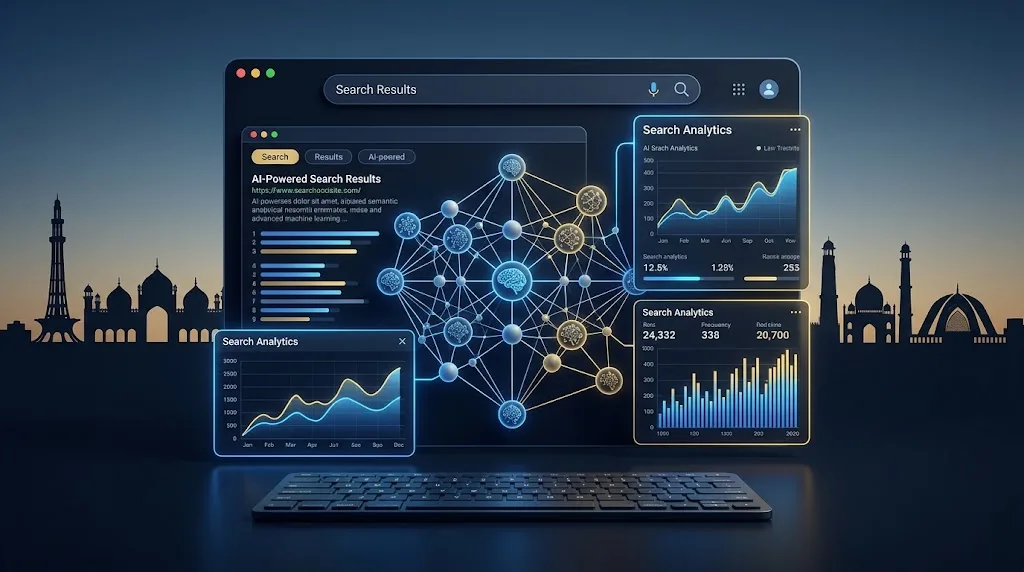

In today's fast-paced digital era, where internet usage continues to surge and mobile technology dominates our lives, digital marketing has become the cornerstone of successful business strategies. Traditional marketing methods, while still relevant in some areas, are no longer sufficient to keep up with the demands and expectations of modern consumers. As businesses aim to reach a global audience and compete in a crowded marketplace, digital marketing emerges as an essential tool to drive visibility, engagement, and conversion.
What is Digital Marketing?
Digital marketing refers to the promotion of products or services using digital channels such as search engines, websites, social media platforms, email, and mobile applications. It encompasses a wide range of marketing activities that leverage the internet and other forms of digital communication to connect with current and prospective customers.
Unlike traditional marketing, digital marketing allows businesses to interact with their audiences in real time and gain measurable results. It is not confined to a single platform or approach but rather combines various strategies tailored to specific goals, audiences, and industries.
The Importance of Digital Marketing
In a world where more than 5 billion people are connected to the internet, digital marketing offers unmatched opportunities to engage with consumers on a personal level. Here’s why digital marketing is crucial:
- Wider Reach: Businesses can reach a global audience instantly, overcoming geographical limitations that traditional marketing cannot.
- Cost-Effective: Digital campaigns are often more affordable than print, TV, or radio advertisements, making them accessible for small and medium-sized enterprises (SMEs).
- Measurable Results: Tools like Google Analytics and social media insights allow marketers to track user behavior, campaign performance, and ROI with precision.
- Real-Time Interaction: Brands can communicate directly with their audience through comments, chats, and reviews, building stronger relationships.
- Highly Targeted: Digital marketing allows marketers to segment their audience based on demographics, interests, behavior, and location, ensuring personalized and effective messaging.
Key Components of Digital Marketing
Digital marketing is a broad field that includes several distinct components. Each plays a unique role in the customer journey:
1. Search Engine Optimization (SEO)
SEO involves optimizing websites to rank higher on search engine results pages (SERPs). A higher ranking increases visibility and drives organic (non-paid) traffic. SEO strategies include keyword research, content creation, on-page optimization, and backlink building.
2. Content Marketing
Content marketing focuses on creating valuable, relevant, and consistent content to attract and engage a target audience. It includes blog posts, videos, infographics, eBooks, and more. Effective content marketing builds authority and trust, ultimately leading to customer conversions.
3. Social Media Marketing
Social media platforms such as Facebook, Instagram, Twitter, LinkedIn, and TikTok are used to connect with audiences, share content, and promote products. Social media marketing also enables businesses to run targeted ads and measure engagement in real-time.
4. Pay-Per-Click Advertising (PPC)
PPC is a model where advertisers pay a fee each time their ad is clicked. Common platforms for PPC include Google Ads, Facebook Ads, and Bing Ads. This strategy is effective for driving immediate traffic and conversions, especially when targeting high-intent users.
5. Email Marketing
Email marketing involves sending targeted messages to a group of subscribers. It's used for nurturing leads, promoting products, providing updates, and more. With automation and personalization, email remains one of the most effective digital marketing tools.
6. Affiliate Marketing
In affiliate marketing, businesses reward third-party partners (affiliates) for driving traffic or sales to their website. It’s a performance-based model that helps companies expand their reach with low upfront investment.
7. Influencer Marketing
Partnering with influencers—individuals with a large online following—can help brands gain exposure and credibility. Influencers promote products through their content, reaching audiences in a more authentic and trusted way.
8. Mobile Marketing
With the majority of users accessing the internet via smartphones, mobile marketing has become critical. This includes mobile apps, SMS marketing, mobile-optimized websites, and in-app advertisements.
Benefits of Digital Marketing
Digital marketing offers numerous advantages over traditional methods:
- Global Reach: Reach customers around the world 24/7.
- Targeted Audience: Market to specific segments with high accuracy.
- Lower Costs: Reduce expenses while increasing effectiveness.
- Scalability: Easily scale campaigns based on results.
- Instant Feedback: Engage with customers and make real-time improvements.
- Data-Driven Decisions: Use analytics to make informed marketing choices.
- Higher ROI: Maximize returns with well-optimized campaigns.
Challenges in Digital Marketing
Despite its advantages, digital marketing comes with its own set of challenges:
- Intense Competition: The digital landscape is saturated, making it difficult to stand out.
- Algorithm Changes: Frequent updates to search engine and social media algorithms can impact visibility.
- Data Privacy Concerns: Adhering to data protection regulations like GDPR is essential but complex.
- Ad Blockers: Many users install ad-blocking software, reducing the reach of paid campaigns.
- Skill Gap: Successful digital marketing requires technical expertise, creativity, and analytical skills that not all businesses possess.
The Role of Data and Analytics
One of the major advantages of digital marketing is its data-centric nature. Marketers can collect and analyze data to understand customer behavior, optimize campaigns, and forecast trends. Key performance indicators (KPIs) such as conversion rates, bounce rates, cost per acquisition (CPA), and customer lifetime value (CLV) help in measuring the success of digital strategies.
Digital Marketing Trends to Watch
The digital marketing landscape is continuously evolving. Here are some emerging trends shaping the future:
1. Artificial Intelligence (AI) and Automation
AI-powered tools help in customer segmentation, predictive analytics, chatbots, and personalized recommendations. Automation platforms streamline repetitive tasks, improving efficiency.
2. Voice Search Optimization
With the rise of smart speakers and virtual assistants, optimizing content for voice queries is becoming more important.
3. Video Marketing
Video continues to dominate content consumption. Short-form videos on platforms like TikTok and Instagram Reels are particularly effective for engagement.
4. Personalization
Consumers expect personalized experiences. Tailoring content, emails, and product recommendations based on user behavior can significantly boost conversions.
5. Interactive Content
Quizzes, polls, and interactive infographics enhance user engagement and time spent on websites.
6. Sustainability and Ethical Marketing
Modern consumers are more conscious about environmental and ethical issues. Brands that align with sustainable values can foster deeper customer loyalty.
Digital Marketing for Small Businesses
Digital marketing levels the playing field for small businesses by providing access to tools and platforms previously reserved for larger companies. With a modest budget, small businesses can launch targeted campaigns, engage with their audience, and compete in niche markets. Local SEO, social media engagement, and content creation are particularly beneficial for small business growth.
Conclusion
Digital marketing is not just a trend—it is a necessity in the digital age. Whether you're a startup or an established enterprise, leveraging digital marketing strategies can dramatically improve brand visibility, customer engagement, and profitability. As technology continues to evolve, staying up-to-date with the latest tools, trends, and best practices is vital for success.
In a world where attention spans are short and competition is fierce, digital marketing provides the key to capturing attention, delivering value, and building lasting customer relationships. Businesses that embrace this dynamic field will be well-positioned to thrive in the ever-changing marketplace.