
Customers often discover businesses through search engines, social media, online advertisements, and recommendations they find online. For companies competing in the U.S. market, a website alone may not be enough to attract the right audience. Businesses also need a clear strategy for improving visibility, sharing useful information, and encouraging potential customers to take action.
Digital marketing services help businesses reach relevant audiences through online channels, generate qualified leads, build brand awareness, and measure marketing performance. By combining appropriate channels with clear business goals, organizations can make more informed decisions about where to invest their marketing resources.
Whether a company serves local customers, sells products nationwide, or targets other businesses, its digital marketing strategy should reflect its audience, budget, industry, and sales process.
Why Are Digital Marketing Services Important?
Customers may compare several providers before making a purchasing decision. If a business has limited online visibility or unclear website content, potential customers may choose a competitor instead.
Digital marketing helps businesses appear in relevant searches, communicate their value, and build relationships with potential customers. It can also provide performance data that helps organizations understand which campaigns attract visitors, generate enquiries, and contribute to sales.
A successful strategy does not depend on using every available platform. It focuses on the channels most relevant to the business and measures outcomes that matter.
Essential Digital Marketing Services for Businesses
1. Search Engine Optimization
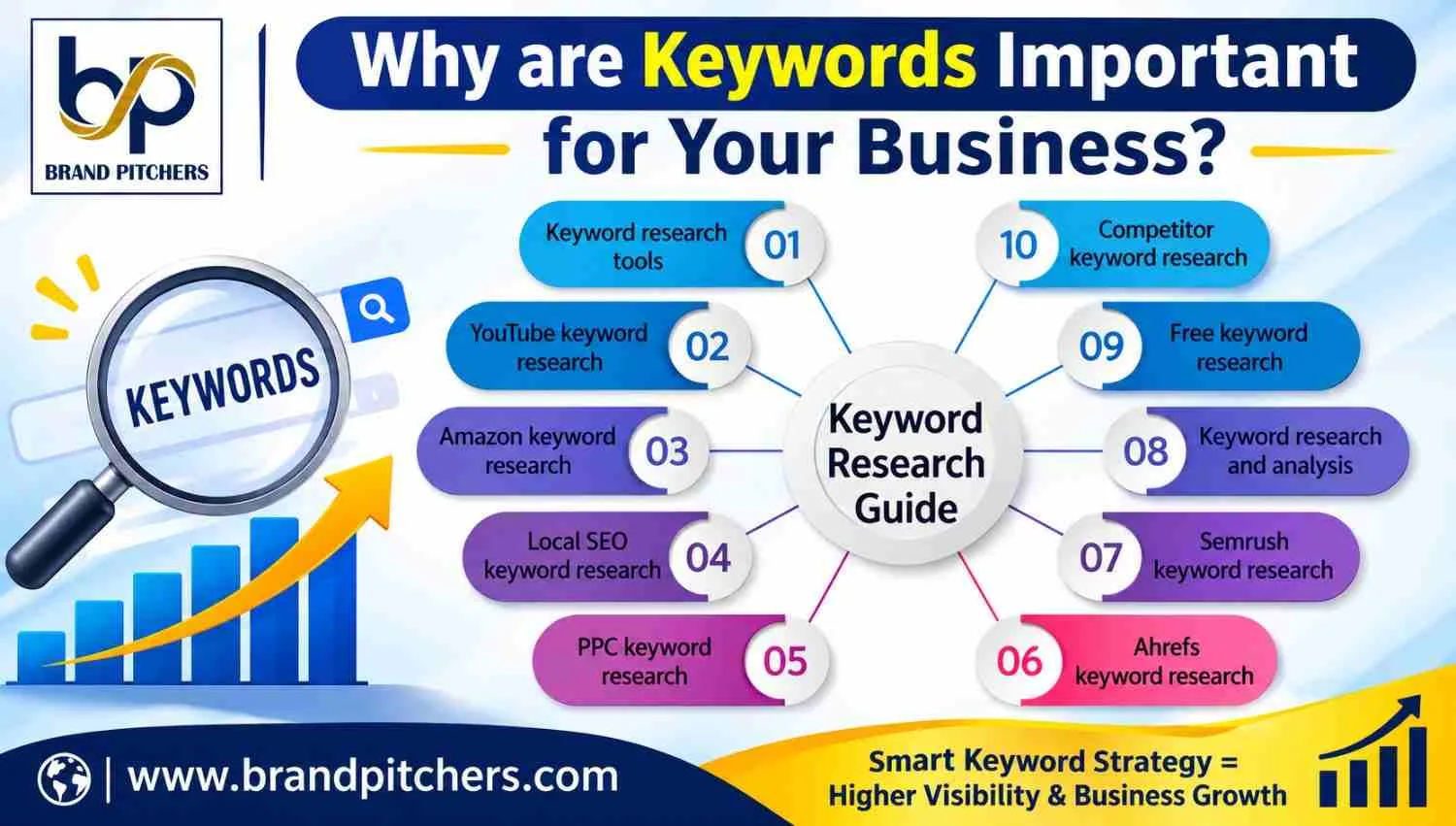
Search engine optimization, or SEO, helps improve a website's visibility in relevant organic search results. It can involve keyword research, technical improvements, content optimization, internal linking, and improvements to website usability.
For example, a service company may publish helpful pages that answer common customer questions and explain its offerings clearly. A well-organized website can make it easier for visitors and search engines to understand the information available.
SEO requires ongoing attention to content quality, technical health, and changing search competition. No agency can guarantee specific rankings because results depend on many factors.
2. Pay-Per-Click Advertising
Pay-per-click advertising allows businesses to promote products or services through paid search and other advertising platforms. Depending on the campaign, advertisers may pay for clicks or other defined actions.
PPC can help companies reach audiences based on search intent, location, and selected targeting criteria. Effective campaigns require relevant keywords, useful ad messaging, suitable landing pages, and ongoing budget management.
Businesses should track qualified enquiries and conversions rather than measuring success by clicks alone. Advertising costs and results vary by market, competition, and campaign quality.
3. Social Media Marketing
Social media marketing helps businesses share content, communicate with audiences, build brand recognition, and encourage customer engagement.
The best platform depends on the target audience. A business-to-business company may focus on professional networks and educational content, while a consumer brand may benefit from visual platforms and community interaction.
A consistent publishing plan, relevant content, and thoughtful responses to customer comments can help maintain a credible presence. Paid social campaigns may complement organic activity when they support clearly defined goals.
4. Content Marketing
Content marketing involves producing useful information that helps audiences understand problems, evaluate options, and make decisions. Common formats include blog articles, guides, videos, case studies, and newsletters.
Useful content can support SEO, answer customer questions, and help sales teams explain complex services. Businesses should create content based on audience needs rather than publishing articles simply to include keywords.
Content should be accurate, easy to understand, original, and connected to a clear purpose.
5. Email Marketing
Email marketing allows businesses to communicate with subscribers and customers through relevant messages. It can support product updates, educational campaigns, event invitations, lead nurturing, and customer retention.
Effective email programmes use clear subject lines, useful content, appropriate segmentation, and measurable calls to action. Businesses should maintain responsible list management and comply with applicable privacy and email marketing requirements, including relevant U.S. rules.
6. Landing Page Optimization
A landing page gives visitors a focused destination for a particular service, offer, or campaign. Its purpose may be to generate a quote request, book a consultation, or encourage a purchase.
Clear messaging, mobile-friendly design, relevant information, and simple forms can improve the user experience. Businesses should measure conversions and test meaningful changes instead of assuming that visual design alone will improve performance.
How to Build an Effective Digital Marketing Strategy
A structured strategy helps ensure that marketing activities support business objectives.
Step 1: Set measurable goals. Decide whether the priority is qualified leads, online sales, brand awareness, or customer retention.
Step 2: Understand the audience. Research customer needs, locations, purchasing behaviour, and the questions they ask before choosing a provider.
Step 3: Select suitable channels. Choose SEO, paid advertising, social media, email, or content marketing according to the audience and available resources.
Step 4: Develop useful messaging. Ensure that advertisements, service pages, and other content explain the offer clearly and accurately.
Step 5: Measure performance. Track relevant metrics such as qualified leads, conversion rates, cost per acquisition, organic visibility, and revenue where reliable data is available.
Step 6: Improve continuously. Use performance data to refine campaigns, budgets, content, and landing pages.
This process helps businesses move beyond disconnected marketing activities and focus on measurable outcomes.
Common Digital Marketing Mistakes to Avoid
One common mistake is targeting broad keywords without considering customer intent. Another is investing in advertising without properly tracking conversions. Businesses may also publish repetitive content, neglect website performance, or judge campaigns by likes and impressions alone.
It is important to recognize that different channels work on different timelines. Paid campaigns can begin generating traffic soon after launch, while SEO often requires sustained improvements before meaningful results become apparent.
Companies should avoid unrealistic promises and ensure that marketing claims accurately represent their products and services.
Choosing a Digital Marketing Services Provider
A suitable provider should understand the business's objectives and explain how its recommendations support them.
Before selecting an agency, ask about its research process, campaign management, content development, reporting, and communication practices. Clarify which services are included, how performance will be measured, and who owns advertising accounts, website content, and analytics data.
Companies should also understand service fees, advertising budgets, additional costs, and how often campaigns will be reviewed.
Businesses seeking professional support can explore digital marketing services from United Soft Services to review options such as SEO, PPC advertising, social media marketing, and content marketing.
Conclusion
Digital marketing services help businesses improve online visibility, connect with relevant audiences, and create clearer paths from discovery to customer action. SEO, PPC, social media, email, and content marketing each support different stages of the customer journey.
With defined goals, useful content, accurate reporting, and regular optimization, businesses can make better-informed marketing decisions and build a stronger digital presence.