Digital assets have changed how people store, send, and manage money. However, these changes have also created new challenges for investigators. When fraud happens, following the money is not always easy. Funds can move between wallets, platforms, and blockchain networks within minutes. Sometimes, investigators find the transaction but cannot identify its owner. This creates problems during financial investigations and recovery efforts.
This makes digital asset tracing an important part of financial investigations. Investigators must understand transaction patterns and identify the people behind them. They also need to connect digital evidence with financial records. Without this approach, important details can easily go unnoticed.
What Is Digital Asset Tracing?
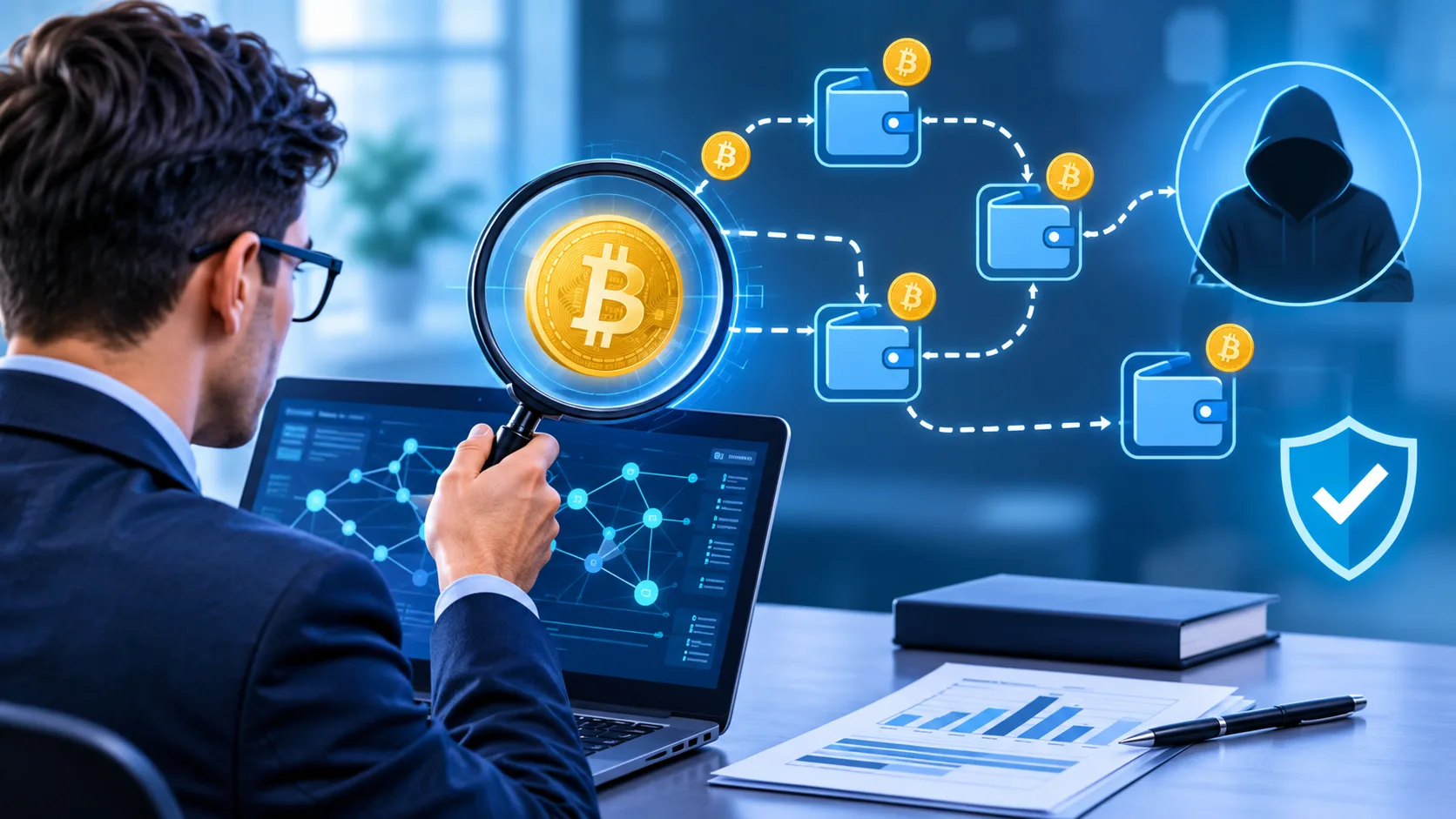
Digital asset tracing is the process of following cryptocurrency transactions. It helps investigators understand where funds come from and where they go. The process involves examining wallet addresses, transaction records, and blockchain activity.
Unlike traditional bank transfers, cryptocurrency transactions use blockchain networks. These networks record transactions in a public digital ledger. Anyone can view many blockchain transactions through available explorers.
However, seeing a transaction does not reveal the owner's identity. Investigators must examine other records to establish meaningful connections.
A digital asset investigation combines technical analysis with financial intelligence. It helps identify suspicious transfers and possible links between wallets.
Common digital assets investigators may trace include:
- Bitcoin and Ethereum transactions.
- Stablecoins such as USDT and USDC.
- Cryptocurrency held in private wallets.
- Tokens transferred through decentralised platforms.
- Digital assets connected with fraud or money laundering.
Why Digital Asset Tracing Goes Wrong
Tracing digital assets requires more than following transaction records. Several problems can affect the accuracy and progress of an investigation.
1. Missing Transaction Information
Investigators sometimes receive incomplete information from victims or organisations. They may only have wallet addresses or screenshots of payments. Without transaction IDs, dates, and amounts, tracing becomes difficult.
Even small details can help establish a transaction timeline. Missing information can create gaps that slow the investigation.
How investigators overcome it:
- Collect transaction IDs and wallet addresses.
- Review available payment confirmations and account records.
- Establish a timeline using transaction dates.
- Compare information across different sources.
Starting with available information helps investigators identify further evidence.
2. Cryptocurrency Mixers and Privacy Tools
Some criminals use cryptocurrency mixers to make tracing harder. These services combine funds from different users or transactions. They then distribute cryptocurrency through different wallet addresses.
Privacy-focused tools can also reduce the information available to investigators. However, these methods do not automatically remove every investigative lead.
How investigators overcome it:
Investigators examine transaction timing and available blockchain records. They also look for activity before and after mixing. Exchange records and other evidence may provide additional connections.
3. Cross-Chain Transactions
Cryptocurrency can move between different blockchain networks. This process often uses bridges or exchange services.
For example, someone may transfer Ethereum-based assets into another network. Investigators must then follow the transaction across both networks. Without suitable analysis, the connection may become difficult to establish.
How investigators overcome it:
- Identify the original transaction and receiving network.
- Examine bridge transactions and transfer records.
- Compare wallet activity across different blockchains.
- Verify connections through available platform records.
4. Anonymous Wallet Ownership
A wallet address does not automatically reveal its owner. One person may use several wallets for different purposes. Businesses can also manage multiple addresses across platforms.
This makes ownership verification a key part of the process. Assuming that every connected wallet belongs to one person can create errors.
How investigators overcome it:
They combine blockchain findings with other investigative methods. These may include exchange records, company information, and open-source intelligence. Communication records can also help establish connections. The goal is to connect digital activity with supporting evidence.
5. Delayed Investigations and Missing Evidence
Time matters when investigators handle cryptocurrency-related cases. Funds can move between wallets within minutes. Delays may reduce opportunities to preserve records or request action. Missing transaction details can create another problem. Investigators may struggle to reconstruct the original movement of funds.
How investigators overcome it:
Investigators organise available records at the beginning. They document transaction details and preserve relevant communications. Where appropriate, they identify exchanges or service providers for lawful requests. Legal professionals and authorities can assess suitable preservation or freezing measures.
Digital Asset Recovery: What Can Investigators Actually Do?
Digital asset recovery involves efforts to trace and potentially recover lost cryptocurrency. However, tracing funds and recovering them are different processes. Investigators may identify where cryptocurrency has moved. They may also discover connections with exchanges or other services. These findings can support further action by relevant authorities or legal professionals.
Important factors that affect digital asset recovery include:
- Whether investigators can trace the transferred funds.
- Whether the receiving wallet connects with an identifiable service.
- Whether relevant records remain available.
- Whether authorities can pursue appropriate legal action.
- Whether the assets remain accessible for possible recovery.
Conclusion
Digital asset tracing involves more than following cryptocurrency transactions. It requires financial research, evidence review, and identity verification. Investigators must also understand how digital assets move between platforms.
A well-planned digital asset investigation can uncover connections and support recovery efforts. However, results depend on evidence, cooperation, and legal processes. No investigation can promise that every stolen asset will be recovered. For businesses and individuals, early action can make a difference. Keeping records and seeking qualified investigative support helps establish a starting point.