Marketing has always been about connecting with your audience in the right place, at the right time. But the platforms and methods we use to do that have evolved dramatically. Today, while traditional marketing still has its place, digital marketing has taken center stage—especially in a fast-paced, online-first world.
Whether you're a student, business owner, or simply curious about the field, understanding the difference between traditional and digital marketing is the first step. And if you're ready to dive deeper, a good digital marketing institute can help you master both the theory and the tools.
Let’s break it down in a way that’s easy to understand.
What Is Traditional Marketing?
Traditional marketing refers to offline methods used to promote a product or service. These include:
- Television and radio ads
- Print advertisements (newspapers, magazines)
- Billboards and posters
- Flyers and brochures
- Direct mail (postcards, catalogs)
These methods are often used to reach a broad audience, especially in local markets or during large campaigns.
What Is Digital Marketing?
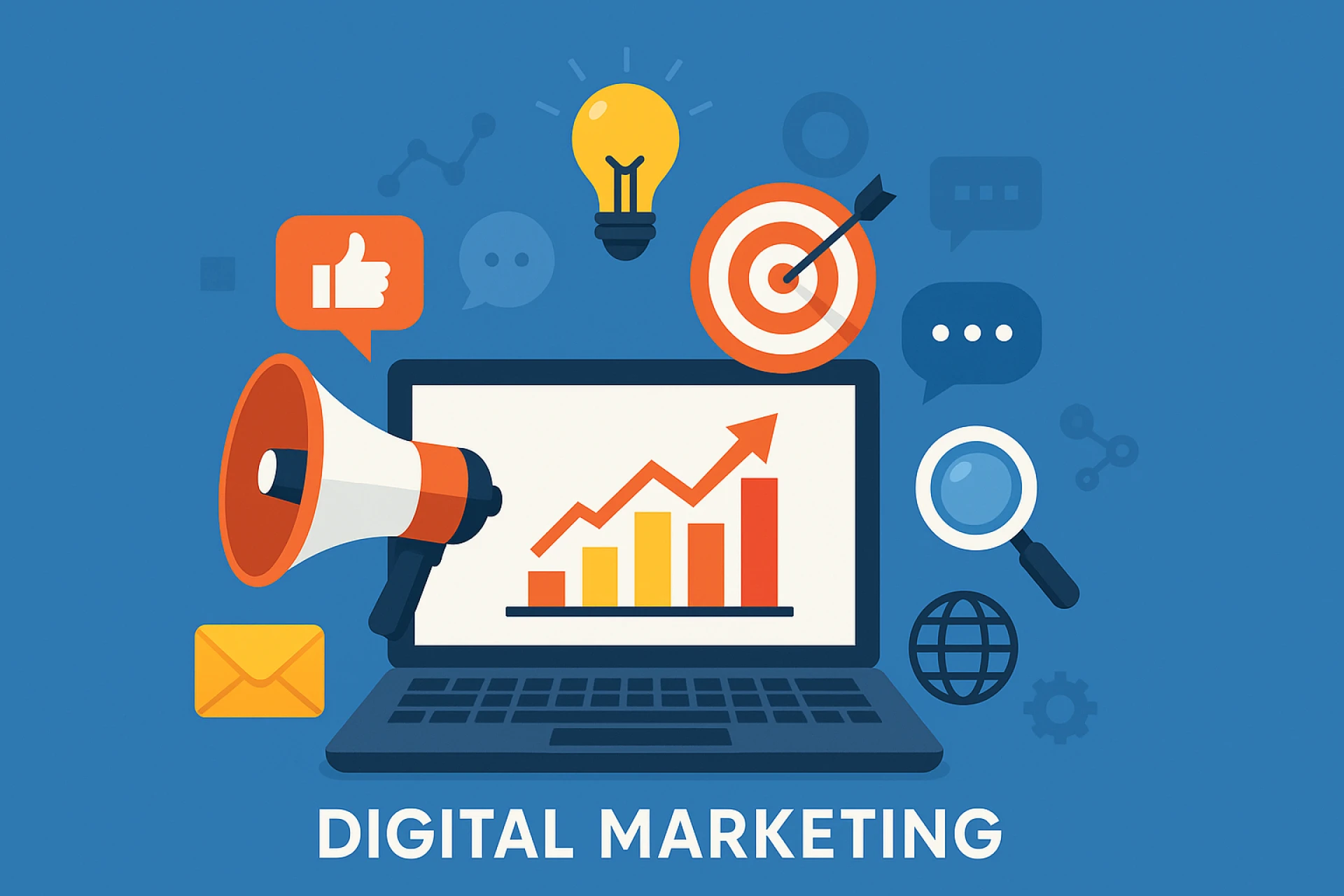
Digital marketing is the online form of marketing, which uses the internet and digital tools to reach and engage customers. Common channels include:
- Social media (Facebook, Instagram, LinkedIn)
- Search engines (Google SEO & Google Ads)
- Email marketing
- Content marketing (blogs, videos, infographics)
- Affiliate and influencer marketing
It allows you to target specific audiences, measure performance in real time, and adjust your strategy quickly.
Key Differences: Traditional vs Digital Marketing
Feature Traditional Marketing Digital Marketing Medium Offline (TV, radio, print)Online (web, social media, email)Targeting Broad, general audience Specific, niche targeting Cost High (TV, print ads)Budget-friendly, flexible Interactivity One-way communication Two-way interaction with audience Measurability Hard to track results Easy to measure with analytics Speed Slower to launch Instant publishing and updates Reach Local or regional Global and scalable
Which One Is Better?
It depends on your goal, audience, and budget. Traditional marketing is still useful for brand awareness in large-scale events or local advertising. But digital marketing is more cost-effective, targeted, and trackable—especially for startups, small businesses, and online brands.
This is why more and more businesses are shifting towards digital platforms—and professionals are upskilling through the best digital marketing institutes to stay relevant in the job market.
Why Learn Digital Marketing Today?
With the rise of social media, online shopping, and smartphones, digital marketing is no longer optional—it’s essential. Learning it gives you an edge whether you're:
- Building a career in marketing
- Growing your business online
- Looking for freelance or remote work opportunities
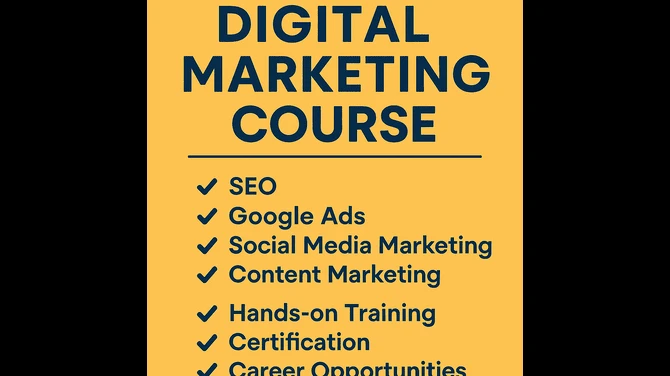
Joining a professional digital marketing institute gives you hands-on experience, updated knowledge, and certification that employers value.