
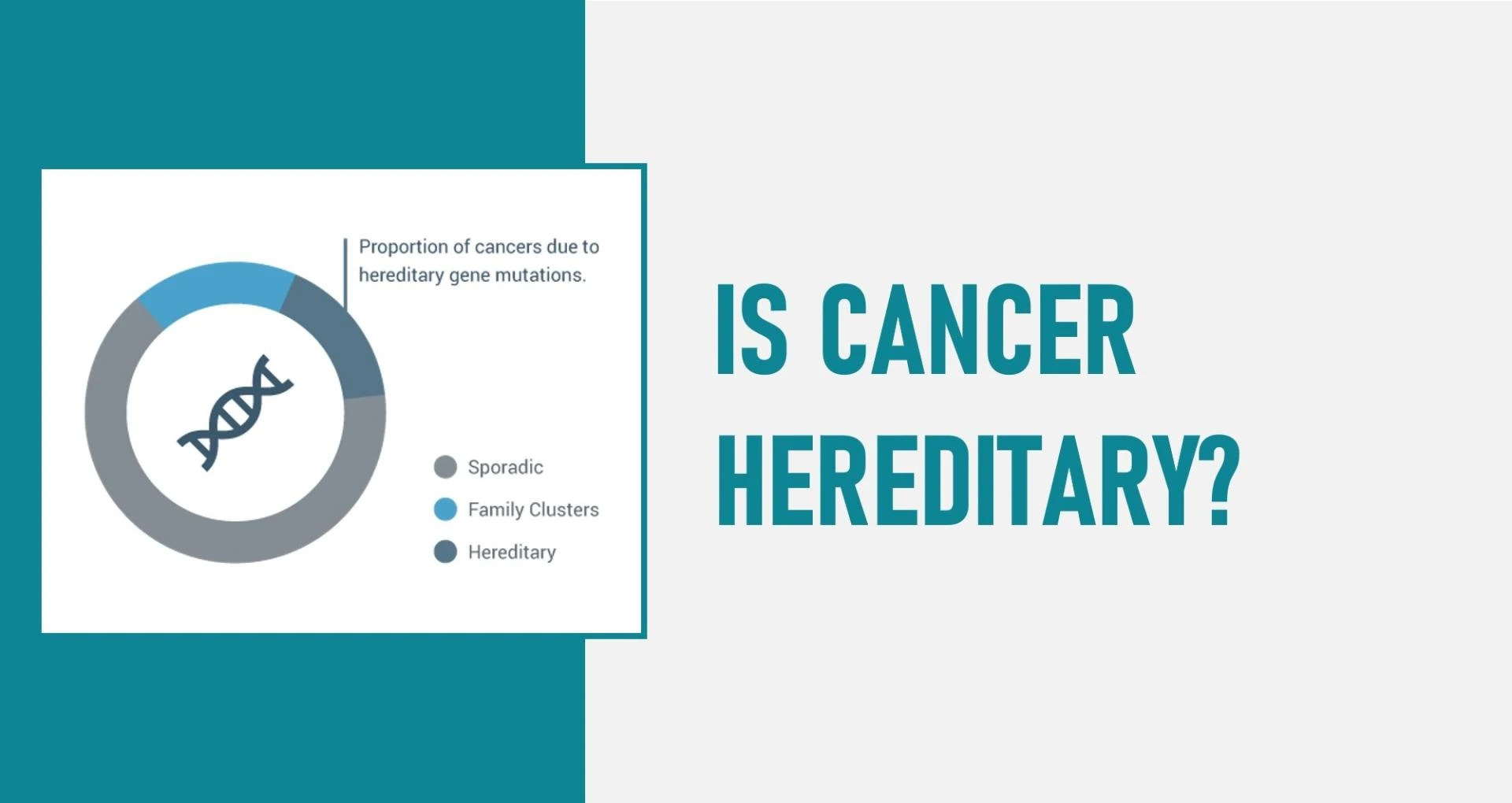
Cancer is a complex disease that occurs when cells in the body start growing uncontrollably. While many factors can contribute to cancer, genetics play a significant role. You may have heard the terms ‘hereditary cancer’ and ‘familial cancer’ used interchangeably, but they are not the same. Understanding the difference between these two types of cancer can help in better prevention, early detection, and treatment.
In this blog, we’ll break down the differences between hereditary and familial cancer, as well as what each means for you and your family’s health.
What is Hereditary Cancer?
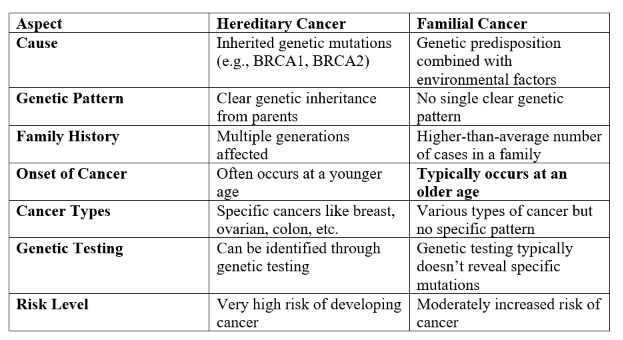
Hereditary cancer is caused by inherited genetic mutations that are passed down from one generation to the next. These mutations are present in the DNA of every cell in the body, making it more likely for the individual to develop certain types of cancer. If a person inherits a faulty gene from one or both parents, it increases their risk of developing cancer.
Hereditary cancers are typically linked to specific genes, such as the BRCA1 and BRCA2 genes, which are associated with breast and ovarian cancer. These genetic mutations significantly increase the likelihood of developing cancer, sometimes at an early age.
Key Characteristics of Hereditary Cancer:
- Genetic Mutation: Caused by an inherited mutation in specific genes.
- Family History: Often runs in families, with multiple generations affected.
- Earlier Onset: Cancer may develop at a younger age compared to the general population.
- Increased Risk: A significant increase in the likelihood of developing cancer, such as breast, ovarian, colon, or prostate cancer.
What is Familial Cancer?
Familial cancer refers to cancer that occurs more frequently in a family than would be expected by chance, but it is not due to an inherited genetic mutation. In familial cancer, the increased cancer risk may be linked to shared environmental factors, lifestyle choices, or a combination of genetic and environmental factors.
While there may be a higher-than-normal occurrence of cancer in a family with multiple members affected, familial cancers typically do not follow a clear, inherited genetic pattern like hereditary cancers do. These cancers may occur due to a combination of genetic predisposition and environmental exposures.
Key Characteristics of Familial Cancer:
- No Clear Inherited Mutation: There is no single gene mutation responsible for the cancer.
- Family History: More than one family member may be diagnosed with cancer, but the risk is not as high as in hereditary cancer.
- Environmental or Lifestyle Factors: Shared environmental or lifestyle factors, such as diet, smoking, or exposure to chemicals, may contribute to the higher risk.
- Later Onset: Cancers tend to occur at an older age compared to hereditary cancers.
Key Differences Between Hereditary and Familial Cancer
Examples of Hereditary vs. Familial Cancers
- Hereditary Cancer: An example of hereditary cancer is breast cancer linked to mutations in the BRCA1 or BRCA2 genes. Individuals with these mutations have a much higher lifetime risk of developing breast or ovarian cancer.
- Familial Cancer: An example of familial cancer is colorectal cancer, where a family may have a higher-than-average rate of cancer due to shared environmental factors, like diet, but without a specific inherited genetic mutation.
How to Determine If Your Cancer Risk is Hereditary or Familial?
If you have a family history of cancer, it is important to talk to a healthcare provider about your risk. There are several ways to assess whether your cancer risk is hereditary or familial:
- Family Health History: Discuss with your doctor any family members who have had cancer and the types of cancer they developed. This can help identify patterns that might suggest a hereditary or familial link.
- Genetic Testing: For hereditary cancers, genetic testing can identify specific gene mutations, such as the BRCA gene mutations for breast or ovarian cancer. This can provide more information on your risk.
- Counseling: Genetic counseling can help individuals understand their cancer risk and the options available for testing, prevention, and treatment.
When Should You Seek Genetic Testing?
If you have a family history of cancer, especially if the cancer developed at an early age or affects multiple generations, you may want to consider genetic testing. Genetic testing can help you understand whether you have inherited a cancer-related gene mutation and whether preventive measures, such as early screening or lifestyle changes, are necessary.
Conclusion
While both hereditary and familial cancers run in families, they differ significantly in their causes and patterns. Hereditary cancer is caused by inherited genetic mutations that increase cancer risk, while familial cancer is a result of shared environmental factors or genetic predispositions without a clear genetic mutation. Understanding the differences can help individuals make informed decisions about cancer screening, prevention, and genetic testing.
If you have concerns about your family history and cancer risk, it is crucial to speak with a healthcare provider or a genetic counselor. Early detection and prevention are key to managing the risk of both hereditary and familial cancers.
FAQs
1. What is the difference between Hereditary & Familial Cancer?
Hereditary cancer is caused by inherited gene mutations passed down from parents, while familial cancer occurs more often in families due to shared environmental or lifestyle factors, without a clear genetic mutation.
2. Which cancers are hereditary?
Hereditary cancers include breast, ovarian, colon, prostate, and some types of skin cancer, often linked to specific gene mutations like BRCA1, BRCA2, and Lynch syndrome.