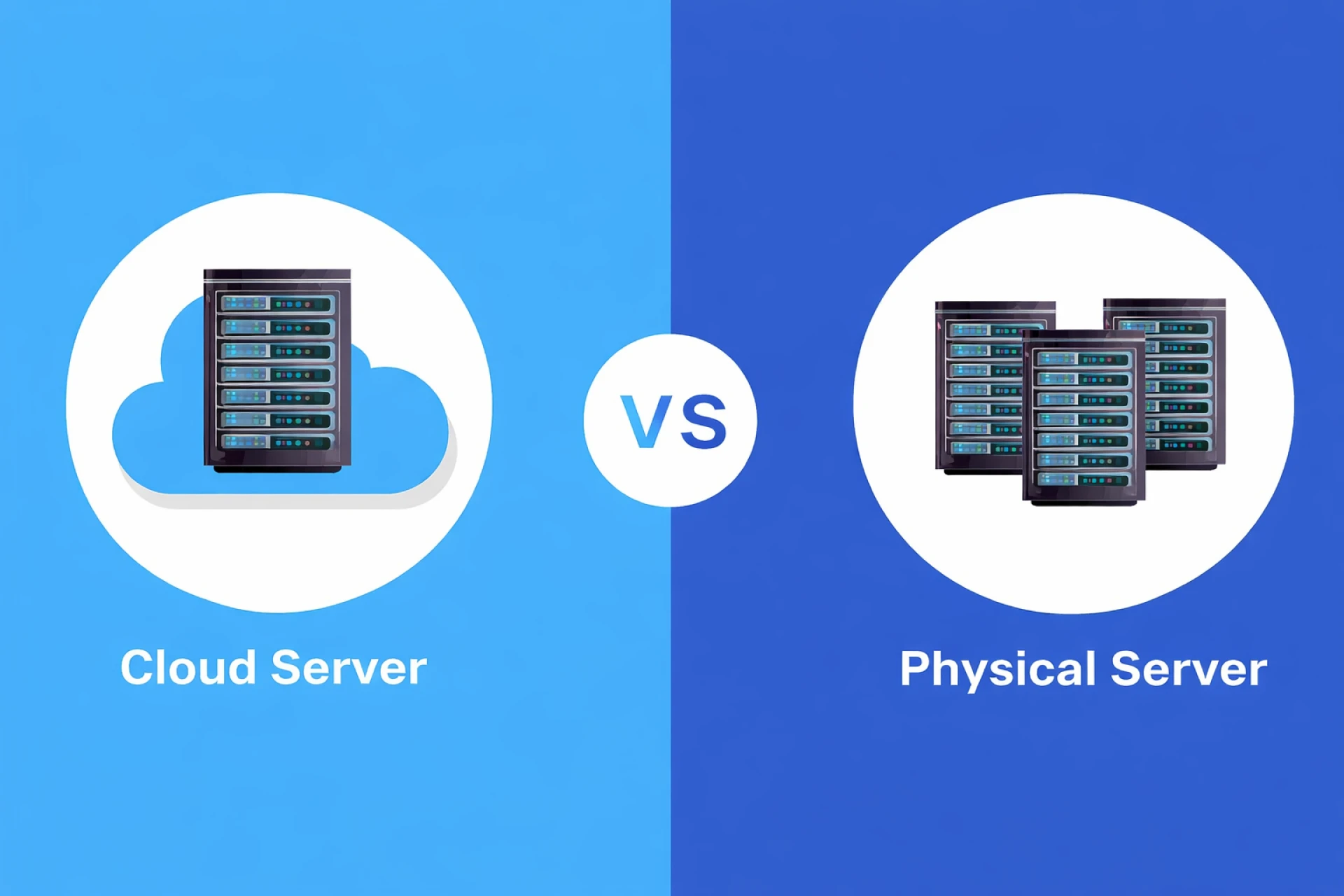
As businesses in the UAE continue to grow digitally, choosing the right server infrastructure has become a critical IT decision. Companies often find themselves comparing cloud servers with physical server rentals to determine which option best supports their operations, budget, and scalability needs. Within the first stages of IT planning, many organizations exploring Server Rental Solutions in Dubai ask a simple but important question: Should we go cloud-based or rent physical servers?
This blog breaks down the key differences between cloud servers and physical server rental in clear, practical terms, helping you make an informed decision.
Understanding Cloud Servers
Cloud servers are virtual servers that run in a cloud computing environment. Instead of relying on a single physical machine, cloud servers operate on a network of interconnected servers hosted in data centers. Resources such as CPU, RAM, and storage are allocated dynamically based on demand.
Key Characteristics of Cloud Servers
- Virtualized infrastructure hosted across multiple physical machines
- On-demand scalability, allowing instant resource upgrades
- Pay-as-you-go pricing model, reducing upfront investment
- Remote accessibility, ideal for distributed teams
- Built-in redundancy, ensuring higher uptime and disaster recovery
Cloud hosting is commonly used for web applications, SaaS platforms, development environments, and businesses with fluctuating workloads.
What Is Physical Server Rental?
Physical server rental involves leasing dedicated hardware for exclusive use. The server is a standalone machine configured with fixed specifications such as processor type, storage capacity, and memory. Unlike cloud servers, these are not shared with other users.
Key Characteristics of Physical Server Rental
- Dedicated hardware with full control
- Consistent performance, unaffected by other users
- Enhanced data security, ideal for compliance-driven industries
- Custom server configurations based on workload needs
- Predictable monthly costs
Physical server rentals are commonly used by enterprises, data-intensive applications, financial institutions, and organizations with strict data governance policies.
Core Differences Between Cloud Servers and Physical Server Rental
1. Performance and Reliability
Cloud servers deliver flexible performance but may experience variability due to shared resources. Physical servers provide stable, consistent performance since all resources are dedicated to a single organization. For high-performance computing, database hosting, and ERP systems, physical servers often deliver better reliability.
2. Scalability
Cloud servers excel in scalability. Resources can be increased or decreased instantly without downtime. Physical servers, on the other hand, require hardware upgrades or replacements, which may take time. Businesses expecting rapid growth or seasonal demand often lean toward cloud solutions.
3. Cost Structure
Cloud servers follow an operational expense model, where you pay only for the resources used. This is cost-effective for startups and short-term projects. Physical server rental involves fixed monthly pricing, which becomes more economical for long-term, resource-intensive workloads.
4. Data Security and Compliance
Physical servers provide greater control over data, making them suitable for industries such as healthcare, finance, and government. Cloud servers also offer strong security, but some businesses prefer dedicated environments to meet compliance and regulatory requirements.
5. Customization and Control
With physical server rental, businesses have full control over hardware configurations, operating systems, and security protocols. Cloud servers are flexible but may have limitations based on the provider’s infrastructure.
Use Cases: Which Option Fits Your Business?
Cloud Servers Are Ideal For:
- Startups and SMEs
- Application testing and development
- Websites with fluctuating traffic
- Temporary projects and remote teams
- SaaS-based platforms
Physical Server Rental Is Best For:
- Enterprise-level applications
- Data centers and corporate offices
- High-performance workloads
- Long-term IT infrastructure needs
- Businesses requiring strict data control
Choosing the Right Server Strategy
The decision between cloud servers and physical server rental depends on your business objectives, budget, and technical requirements. Many organizations in the UAE now adopt a hybrid server model, combining cloud flexibility with the stability of dedicated servers. This approach allows businesses to optimize costs while maintaining performance and security.
Before making a decision, consider factors such as workload intensity, compliance requirements, expected growth, and IT management capabilities.
Final Thoughts
Both cloud servers and physical server rental offer unique advantages, and neither is a one-size-fits-all solution. Cloud servers provide agility and scalability, while physical servers deliver control, security, and consistent performance. Understanding these differences helps businesses align their IT infrastructure with operational goals.
For organizations seeking expert guidance and reliable infrastructure planning, VRS Technologies LLC offers tailored Server Rental and deployment options designed to support businesses across the UAE with confidence and efficiency.