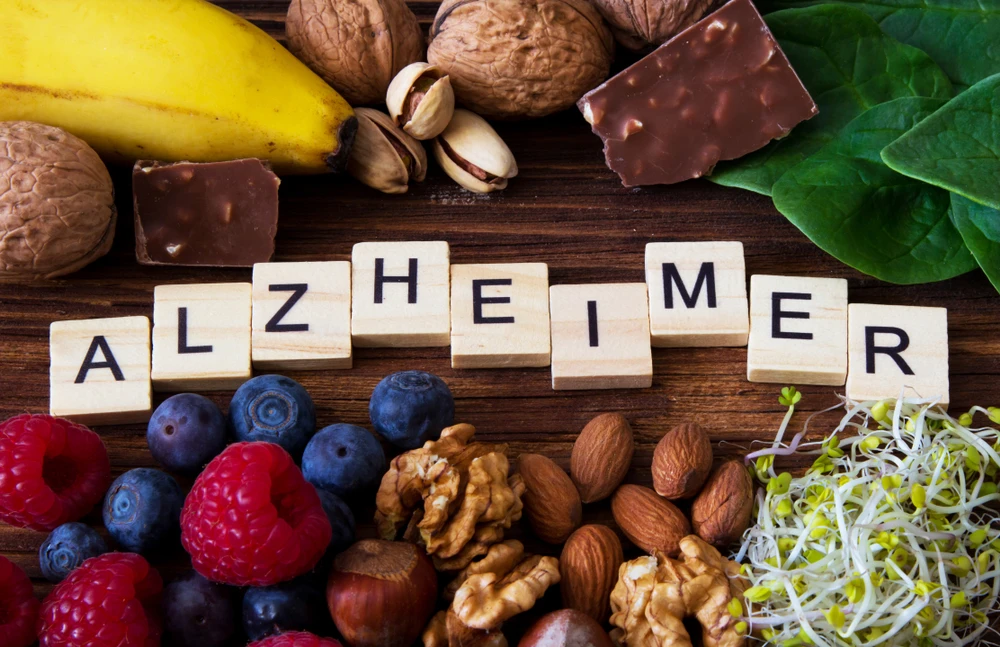
What is Alzheimer's Disease?
Alzheimer’s disease is a progressive neurological condition characterized by memory loss, cognitive decline, and difficulties in daily activities. It is the most common cause of dementia, accounting for 60%–70% of cases globally. Alzheimer’s disease is marked by the accumulation of amyloid plaques and neurofibrillary tangles in the brain, along with widespread inflammation and neuron loss.
While the exact causes remain elusive, contributing factors include age, genetics, cardiovascular health, and lifestyle choices. Emerging research has revealed a strong connection between diet, nutrition, and Alzheimer’s prevention, opening new doors for non-pharmacological interventions.
Insights into Diet and Alzheimer's Disease Prevention
Dietary patterns significantly influence brain health. Research suggests that diets rich in plant-based foods, healthy fats, and lean proteins can reduce the risk of developing Alzheimer’s disease. On the other hand, diets rich in trans fats, processed foods, and sugars have been linked to cognitive decline and a heightened risk of developing Alzheimer’s disease.
The exact mechanisms linking diet to Alzheimer’s prevention are still being explored. Key factors include the reduction of inflammation, improvement in cardiovascular health, and enhancement of gut-brain communication. While no specific diet can guarantee prevention, dietary patterns like the Mediterranean and MIND diets offer potential protective effects.
Understanding the Mediterranean and MIND Diets
The Mediterranean Diet
The Mediterranean diet is often recognized as one of the most beneficial dietary patterns for overall health. It emphasizes whole foods like fruits, vegetables, whole grains, nuts, seeds, and healthy fats, particularly olive oil. Moderate consumption of fish, poultry, and wine is encouraged, while red meat and processed foods are minimized.
Studies show that the Mediterranean diet reduces inflammation and oxidative stress, both of which are implicated in Alzheimer’s progression. Diet also improves cardiovascular health, which is closely linked to brain health, as the brain relies on a healthy vascular system to function optimally.
The MIND Diet
The MIND diet, short for Mediterranean-DASH Intervention for Neurodegenerative Delay, combines essential elements of the Mediterranean and DASH diets. This diet specifically targets brain health by focusing on ten brain-healthy food groups: leafy greens, other vegetables, nuts, berries, beans, whole grains, fish, poultry, olive oil, and wine.
Unlike other diets, the MIND diet places a special emphasis on foods like leafy greens and berries, which are known for their neuroprotective properties. Research suggests that even moderate adherence to the MIND diet can slow cognitive decline and lower Alzheimer’s risk.
What Do We Know About Individual Foods?
Certain individual foods and food groups have been studied for their potential to promote brain health and reduce Alzheimer’s risk:
Berries: Rich in antioxidants, berries combat oxidative stress and inflammation, two factors linked to Alzheimer’s. Blueberries and strawberries are known to enhance memory and support cognitive function.
Leafy Greens: Vegetables like spinach, kale, and broccoli are high in folate, vitamin K, and beta carotene, all of which are associated with better cognitive performance.
Fatty Fish: Salmon, mackerel, and sardines are rich in omega-3 fatty acids, which reduce brain inflammation and promote neuron health.
Nuts and Seeds: Packed with vitamin E and healthy fats, nuts and seeds support overall brain health and protect against oxidative damage.
Whole Grains: Foods like oats, quinoa, and brown rice provide a steady source of energy and support vascular health.
On the other hand, processed foods, sugary snacks, and trans fats are linked to cognitive decline and an increased risk of Alzheimer’s disease.
What About Vitamins and Supplements?
The role of vitamins and supplements in Alzheimer’s disease prevention remains an area of active research. While some supplements show promise, their effects are not yet fully understood:
Vitamin E: Known for its antioxidant properties, vitamin E may help slow cognitive decline, though excessive intake can pose risks.
Vitamin D: A deficiency in vitamin D has been associated with a higher risk of cognitive impairment. However, supplementation studies have shown mixed results.
Omega-3 Fatty Acids: Found in fish oil, omega-3 supplements are thought to improve brain health, though their effectiveness in Alzheimer’s prevention is still under investigation.
Curcumin: The active compound in turmeric, curcumin has anti-inflammatory and antioxidant properties that may protect against Alzheimer’s, though more research is needed.
It is crucial to consult with a healthcare provider before beginning any supplement regimen to ensure safety and effectiveness.
The Link Between Gut Health and Brain Function
The gut-brain connection is essential for supporting cognitive health. An imbalanced gut microbiota can contribute to neuroinflammation, which is a sign of Alzheimer’s disease.
Probiotics: Found in fermented foods like yogurt and kefir, probiotics help maintain a healthy gut microbiome and may positively impact cognitive function.
Prebiotics: Dietary fibers that feed beneficial gut bacteria are essential for gut health and may have indirect effects on brain health.
A healthy gut microbiome is linked to reduced inflammation, better nutrient absorption, and improved communication between the gut and the brain, all of which are crucial for Alzheimer’s prevention.
Impact of the Mediterranean Diet on Alzheimer’s Disease and Related Dementias (ADRD) Progression
Numerous studies have demonstrated that adherence to the Mediterranean diet can slow the progression of Alzheimer’s disease and related dementia (ADRD). The diet’s rich antioxidant and anti-inflammatory components combat oxidative stress, a key contributor to cognitive decline.
For example, a study published in the Journal of Alzheimer's Disease found that individuals following the Mediterranean diet had lower levels of amyloid-beta plaque accumulation, a hallmark of Alzheimer’s. Additionally, the diet’s emphasis on cardiovascular health benefits cognitive function by improving blood flow to the brain.
Impact of the Ketogenic Diet on Alzheimer’s Disease and Related Dementias (ADRD) Progression
The ketogenic diet, characterized by high-fat, low-carbohydrate intake, is being studied for its potential to support brain health. The diet promotes the production of ketones, an alternative energy source for the brain when glucose metabolism is impaired.
A study published in Frontiers in Neuroscience suggested that ketogenic diets could enhance mitochondrial function and reduce amyloid-beta accumulation. However, long-term effects and feasibility remain areas of concern, and the ketogenic diet is not currently recommended as a primary strategy for Alzheimer’s prevention.
Conclusions
Diet and nutrition play a crucial role in Alzheimer’s prevention, offering a non-invasive and accessible approach to maintaining cognitive health. The Mediterranean and MIND diets stand out as effective dietary patterns for reducing Alzheimer’s risk.
Additionally, maintaining gut health and exploring emerging dietary patterns like the ketogenic diet may offer further insights into Alzheimer’s prevention.
Ultimately, while diet is not a cure-all, it represents a powerful tool in the fight against Alzheimer’s. By embracing healthy eating habits, individuals can take meaningful steps towards preserving their cognitive health and reducing the burden of this devastating disease.