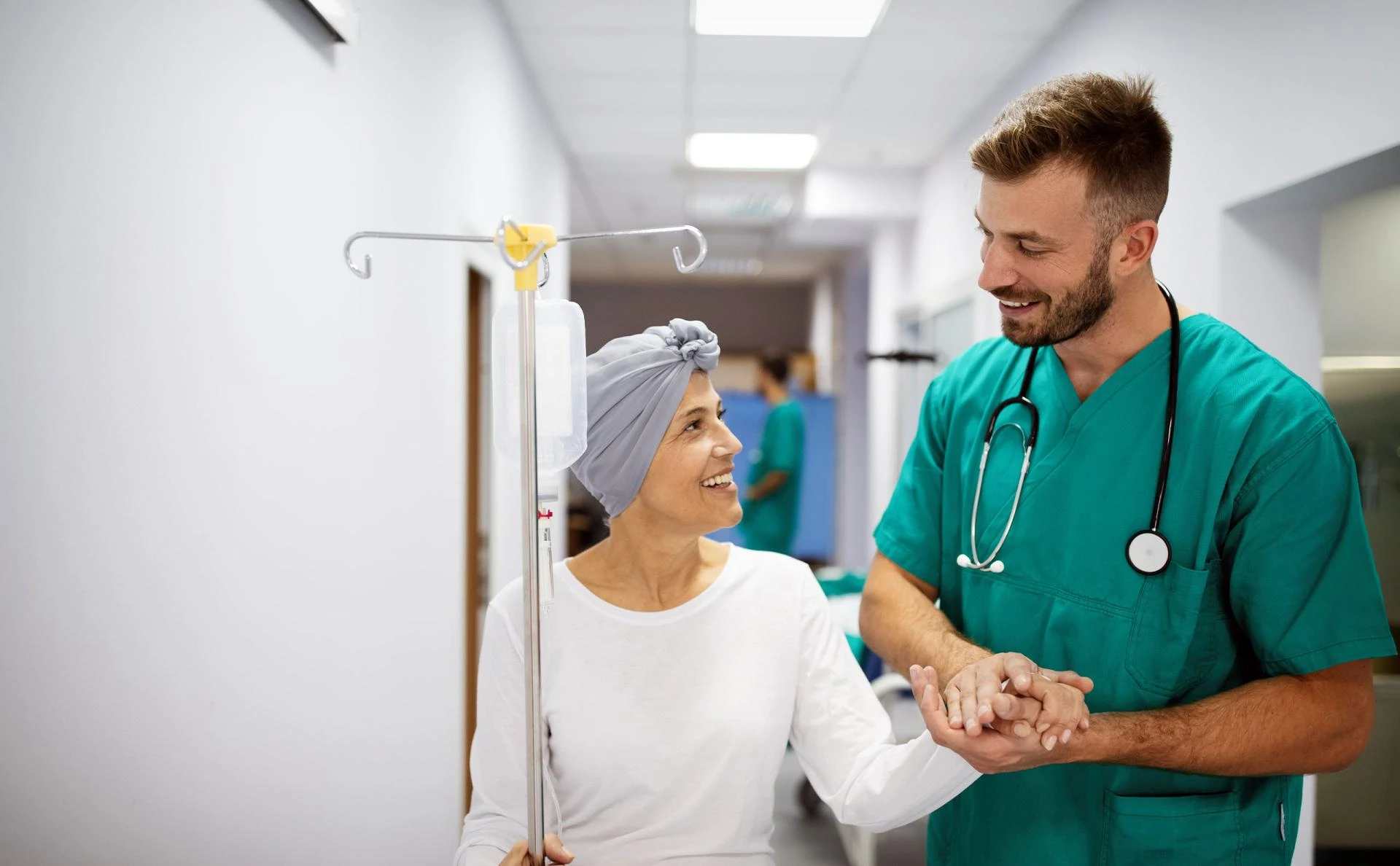
Have you ever faced a moment in your life that felt like the world stopped spinning? For many, that moment comes with a serious diagnosis, be it cancer or a complex lung disease. The initial shock, the fear, the overwhelming flood of information—it's a truly human experience, and it can leave you feeling vulnerable and rushed. In these critical times, understanding your options is not just helpful; it's essential. That's why the path to informed care often begins with a pulmonology second opinion. This crucial step allows you to take a breath, process the information, and ensure the diagnosis and proposed treatment plan are the absolute best fit for you.
The Fog of Uncertainty: Why Second Opinions Matter
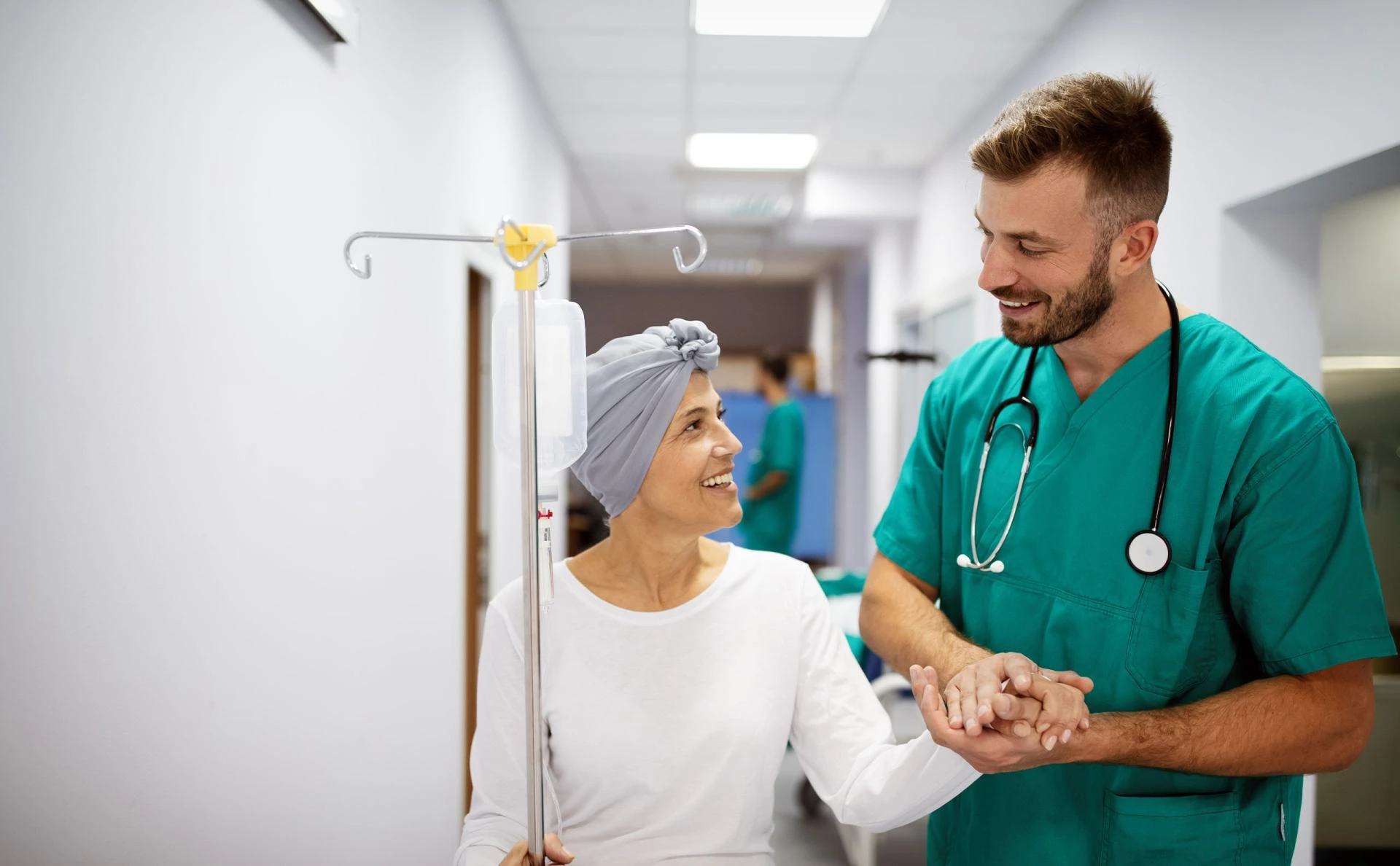
When dealing with diseases of the lungs—ranging from challenging conditions like Idiopathic Pulmonary Fibrosis (IPF) and Sarcoidosis to severe forms of COPD—the complexities are immense. These diseases often share overlapping symptoms, making initial diagnosis a challenging feat even for the most experienced physician. A diagnosis that is slightly off can lead to a treatment plan that is ineffective, delays true healing, or worse, exposes you to unnecessary side effects.
Think of your first opinion as the initial map drawn in the dark. It gives you a starting point, but a second opinion brings a powerful flashlight, illuminating the finer details. A fresh set of expert eyes, often specializing in a highly niche area of pulmonary medicine, can review your scans, biopsies, and lab results, ensuring every angle has been considered. They can confirm the initial findings, or sometimes, they might gently guide you toward a more accurate, refined diagnosis. This refinement is everything because it directly dictates the effectiveness of your treatment.
Studies consistently show that second opinions change the original diagnosis in 15-20% of cases and modify treatment plans in up to 30% of cases. These aren't minor adjustments—they're potentially life-altering changes that can significantly impact your prognosis and quality of life.
Your Right to Reassurance, Not Just a Diagnosis
Medicine is as much an art as it is a science, and different experts bring different perspectives, experiences, and access to unique, cutting-edge resources. Seeking a second opinion is not a sign of distrust in your current doctor; it is an act of responsible self-advocacy. It's about gathering all the data points before committing to a life-altering treatment journey.
Imagine you're building a house—you wouldn't just trust the first contractor you met without checking references and getting a second quote. Your health is infinitely more valuable. This is especially true when surgical procedures are on the table, or when a long-term regimen of potent medications is being considered. Having two top specialists agree on the path forward instills a deep sense of confidence that allows you to focus your energy on healing, not on worrying about "what if" scenarios.
Navigating the Oncology Landscape
The same principle of diligence holds profoundly true in oncology. Cancer diagnoses—be it lung cancer, breast cancer, prostate cancer, or any other form—are constantly evolving fields. New genetic markers are being discovered, and novel targeted therapies are emerging at a rapid pace. What was the standard of care five years ago may not be the optimal treatment today.
In the face of cancer, time feels compressed. There's an understandable urge to jump immediately into treatment. However, taking a week or two to secure a comprehensive review by an oncology specialist can be the most critical investment you make. A specialist dedicated to a specific type of cancer (e.g., a thoracic oncologist for lung cancer) might be aware of a clinical trial, a targeted drug therapy, or a less invasive surgical technique that wasn't immediately apparent to a general oncologist. This is the moment to explore an oncology second opinion. It's your chance to ensure that your specific tumor profile—its genetic fingerprint—is matched with the most precise and powerful treatment available anywhere in the world.
The landscape of cancer treatment has transformed dramatically with immunotherapy, precision medicine, and targeted therapies. An oncology second opinion can reveal whether you're a candidate for these cutting-edge treatments, which often have better outcomes and fewer side effects than traditional chemotherapy.
The Human Side of the Decision
Let's talk about the emotional weight of this process. It's perfectly normal to feel stressed, even guilty, about seeking another doctor's input. Don't. Your doctors are professionals; they understand the gravity of the situation and, in fact, often encourage second opinions. It's a hallmark of good medical practice.
The decision to get a second opinion is a personal declaration: "My life, my health, and my future are worth every effort." It's an empowering act that moves you from a passive recipient of care to an active, informed partner in your treatment team. This sense of control and clarity can profoundly impact your emotional well-being, which is an often-underestimated factor in recovery. When you know you've done your due diligence, you can face the challenges ahead with greater resolve and a clearer mind.
Many patients report feeling more confident and less anxious after obtaining a pulmonology second opinion or cancer evaluation, even when the second opinion confirms the original diagnosis. The confirmation itself provides invaluable peace of mind.
The Path Forward: Informed Decisions for Better Outcomes
A second opinion often leads to one of three positive outcomes:
- Confirmation: The original diagnosis and treatment plan are verified, giving you enormous peace of mind and confidence to move forward.
- Refinement: The diagnosis is slightly tweaked, or the treatment plan is optimized (e.g., changing the sequence of chemotherapy and radiation, or recommending a different surgical approach).
- Correction: A rare but crucial outcome where a significant error is identified, leading to a completely different and more appropriate path.
In all three scenarios, you win. You gain clarity, confidence, and the most current, expert advice available. This process is about building a foundation of certainty, allowing you to face a challenging health journey with strength. When the stakes are this high, leaving no stone unturned is the wisest course of action.
Making Second Opinions Accessible
The good news is that getting a second opinion has never been easier. With telemedicine and virtual consultation platforms, you can now access top specialists from leading medical centers without leaving your home. Many comprehensive cancer centers and pulmonary specialty hospitals offer remote second opinion services where experts review your complete medical records, imaging, and pathology reports.
Whether you're in a rural area with limited access to specialists or you're dealing with mobility challenges due to your condition, technology has removed many of the barriers that once made second opinions difficult to obtain. You can now consult with leading experts in pulmonology and oncology regardless of your geographic location.
Your Health Is Worth It
Ensuring you have the correct and most effective strategy is the cornerstone of successful recovery, which is why a dedicated look at a cancer second opinion is the final, non-negotiable step toward your comprehensive care plan. Your life deserves this level of thoroughness. Don't settle for uncertainty when clarity is within reach. Take charge of your health journey today, and give yourself the gift of comprehensive, expert evaluation. When facing serious lung disease or cancer, a second opinion isn't just recommended—it's essential for ensuring you receive the best possible care and the best possible outcome.