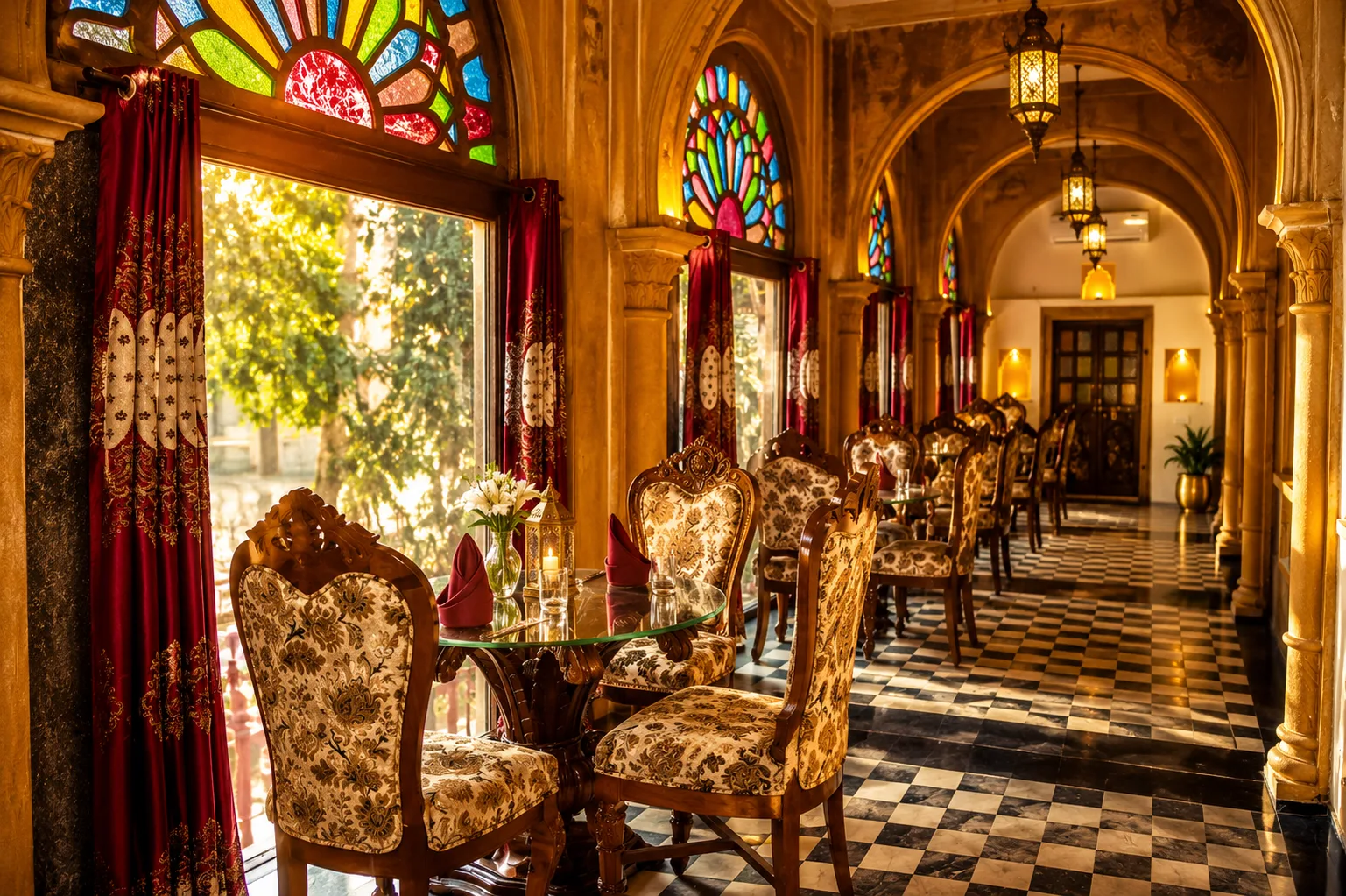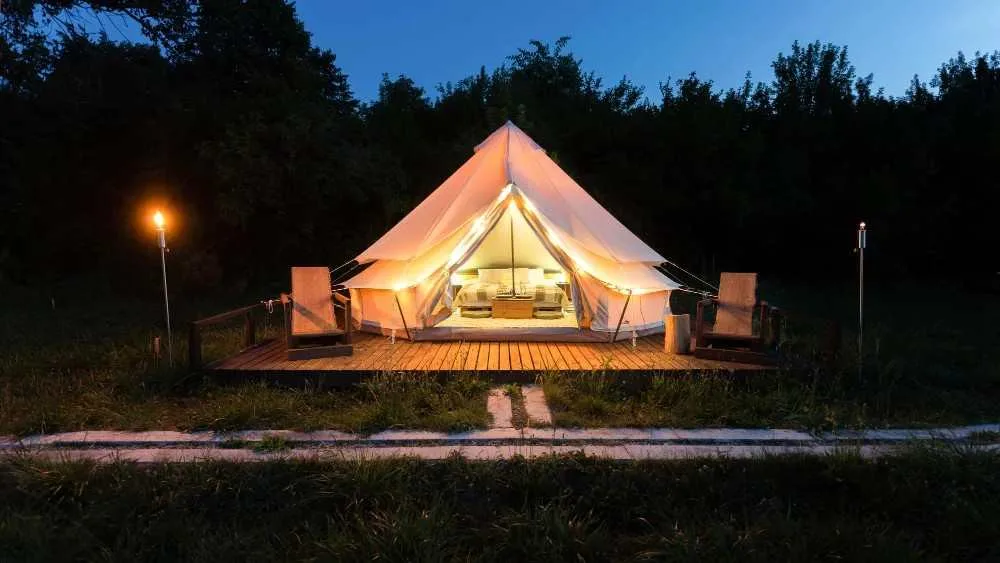
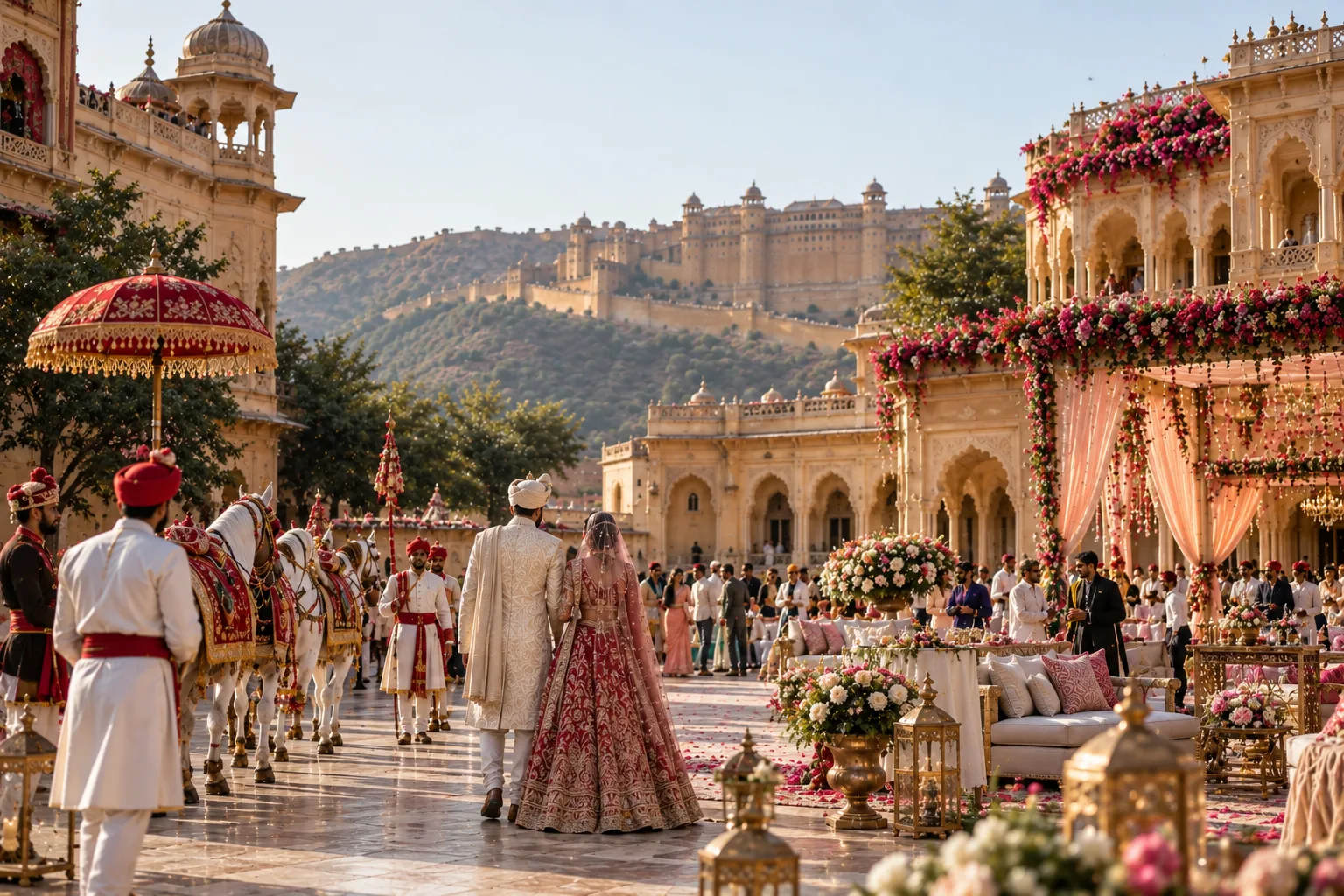
Some cities carry a certain grandeur that makes them feel built for celebration, and few places capture that quite like the Pink City. Grand havelis, sprawling palace lawns, and centuries old forts overlooking the skyline have made this part of Rajasthan one of the most requested settings for couples exploring destination weddings in India. It offers something that few other locations can match, a sense of royalty and history that becomes part of the wedding itself rather than something added through décor.
At the same time, planning a wedding in a heritage city comes with its own rhythm, from choosing between a fort and a garden venue to understanding how the city's size actually works in a couple's favour. This guide covers what couples typically need to think through before booking a venue here.
Why a Heritage City Works So Well for Weddings
Unlike more remote destinations, a city built around palaces and forts offers a rare combination of grandeur and convenience. Couples get access to venues with genuine architectural history, carved stone courtyards, mirrored halls, and expansive lawns that once hosted royal celebrations, while still being in a well connected city with international flight access, a wide range of hotels, and an established network of experienced wedding vendors.
This balance is part of why the region continues to attract couples who want a wedding that feels significant without becoming logistically overwhelming. The city offers everything from intimate boutique havelis for smaller gatherings to sprawling palace properties capable of hosting several hundred guests across multiple event days.
Why Jaipur Draws Couples Looking for a Royal Setting
Among the heritage cities of Rajasthan, a destination wedding in Jaipur has become particularly popular because it offers the widest range of venue types within a single city. Couples can choose a fort perched on a hillside for a dramatic evening ceremony, a restored haveli in the old city for a more intimate function, or a modern five star property with palace inspired architecture that combines heritage aesthetics with contemporary convenience.
The city's connectivity is another significant advantage. Jaipur has its own international airport with regular flights from most major Indian cities, along with strong rail and road links, which makes it considerably easier for guests to travel compared to smaller, more remote heritage towns. This accessibility often translates directly into higher guest attendance, since fewer relatives need to navigate complicated multi leg journeys to be part of the celebration.
Beyond logistics, the city itself becomes part of the experience for visiting guests. Between wedding events, families can explore markets known for textiles and jewellery, visit iconic forts, or simply enjoy the local cuisine, turning the trip into a cultural experience that extends well beyond the ceremony itself.
Choosing Between a Fort, a Haveli, and a Modern Property
This is usually one of the first real decisions couples face once they settle on the city, and each option comes with a distinctly different feel and set of practical considerations.
Forts and palaces offer unmatched grandeur and are often the most photographed choice, but many come with restrictions around sound levels, event timings, and vendor access due to heritage conservation rules. Couples drawn to this option should confirm these restrictions early, since they can affect everything from the choice of entertainment to how late an evening function can run.
Havelis tend to suit smaller, more intimate weddings, offering courtyards and rooftop spaces with detailed architecture at a more accessible price point than larger palace venues. They work particularly well for couples hosting under two hundred guests who want a heritage setting without the scale of a full palace property.
Modern five star properties, many designed with palace inspired architecture, offer the most flexibility in terms of guest capacity, in house catering, and event timing, making them a practical choice for larger weddings or couples who want fewer restrictions to navigate during planning.
Timing a Wedding in This Region
Rajasthan's climate plays a significant role in planning, and this heritage city is no exception. Summers, particularly between April and June, bring intense heat that makes outdoor daytime events uncomfortable for guests. The most favourable window falls between October and March, when temperatures are considerably more comfortable for both outdoor ceremonies and evening celebrations.
Winter evenings can get cool, especially in December and January, so couples planning functions after sunset during these months should factor in appropriate heating arrangements for outdoor spaces, along with guidance for guests on what to pack for cooler nights.
Building a Realistic Budget
Costs here can vary considerably depending on the type of venue chosen. Palace and fort properties, given their historical significance and limited availability, tend to command a premium, while havelis and modern hotels often provide more predictable and moderate pricing structures.
A sensible budget typically accounts for venue rental, which fluctuates significantly based on property type and season, catering and décor costs that scale with guest count and the complexity of the setting, accommodation for guests if the venue itself cannot house the entire guest list, and transport for both guests and vendor equipment within the city.
As with any wedding involving multiple moving parts, setting aside ten to fifteen percent of the total budget as a contingency fund is a practical approach, since last minute vendor changes or additional guest requests are common enough to plan for in advance.
Working With Local Expertise
Given the range of venue types and the specific restrictions that come with heritage properties, working with a planner or coordinator who has direct experience in the city can make a meaningful difference. Local expertise helps couples navigate heritage property regulations, identify vendors experienced with the acoustics and logistics of forts and havelis, and manage the finer details that are difficult to anticipate from outside the city.
This local knowledge becomes especially valuable when dealing with venues that have specific rules around decor installation, generator placement, or noise curfews, since these details can significantly affect both the planning timeline and the overall experience for guests.
A Practical Planning Timeline
Because palace and fort venues are in high demand, particularly during the peak winter wedding season, couples should ideally begin the process at least ten to twelve months before their preferred date.
Around eight months before the wedding, key vendors including catering, décor, and photography teams should be finalised, along with confirmed accommodation blocks for guests. Around five months before, invitations should be sent out, giving guests enough time to plan travel, particularly those coming from other countries or distant cities. In the final month, a detailed schedule covering event timings, vendor responsibilities, and guest logistics should be confirmed with everyone involved, since heritage venues often require more coordination around access timings and security protocols than standard hotel properties.
Frequently Asked Questions
What makes this city different from other Rajasthan wedding destinations?
Its combination of heritage venues, strong flight connectivity, and a wide range of hotel options makes it more accessible for larger guest lists compared to smaller, more remote heritage towns.
Is it possible to have a wedding here on a moderate budget?
Yes, choosing a haveli or a mid range hotel property rather than a large palace venue can significantly reduce costs while still offering an authentic heritage setting.
How many days do most couples plan for?
Two to three days is common, typically including a welcome function, the main ceremony, and a closing celebration, allowing guests time to also explore the city.
Are there restrictions on noise or event timings at heritage venues?
Many fort and palace properties have specific rules around sound levels and event end times due to conservation guidelines, so it is worth confirming these details before finalising a venue.
What is the best time of year to plan a wedding here?
The months between October and March offer the most comfortable weather for both outdoor and evening celebrations.
Final Thoughts
A wedding set against forts, havelis, and palace lawns offers a rare blend of grandeur and practicality that few other destinations can match. With strong connectivity, a wide range of venue options, and the right local guidance, couples can plan a celebration that feels genuinely royal without the logistical challenges often associated with more remote heritage locations. For families looking for a setting that leaves a lasting impression on every guest, this city continues to be one of the most rewarding choices in India.